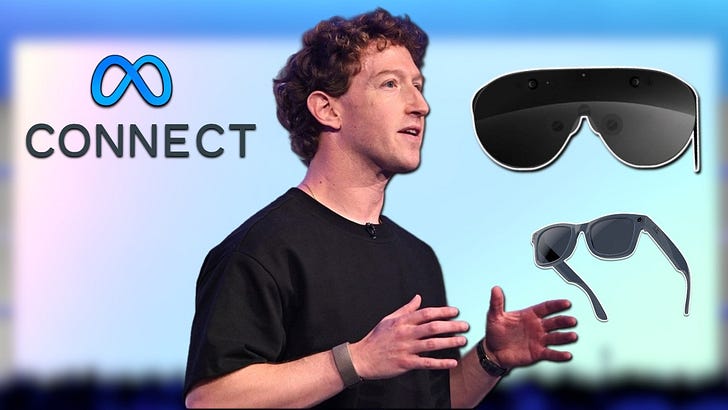
HeyGen proposes a recurring video workflow in which Meta's Muse AI agentAn AI system that doesn't just answer once but works toward a goal in a loop — taking actions, reading the results, and deciding what to do next.Full definition → researches a topic and prepares a script before asking for approval. Its guide places that approval between drafting and video generation: after the user accepts or edits the script, the agent invokes the video service through MCPThe Model Context Protocol — an open standard that lets any AI assistant plug into any tool or data source without custom integration code.Full definition →, the connection that exposes its tools to the agent.
The useful design choice is where the person intervenes. Research and drafting recur on a schedule, while the creator reviews what will be said before spending account credits on an avatar video. The guide explicitly asks users to build this pause into their standing instruction.
Key takeaways · AI-distilled
Meta's Muse Agent gets its own persistent cloud Linux machine with a browser, so it keeps working while your laptop is shut, and it schedules recurring work by writing real cron jobs, according to HeyGen's guide.
The guide's recommended setup is one standing instruction with four parts: a trigger, a filter, a draft, and an explicit hold. The first three stages run unattended; nothing is generated until you approve the script.
Connecting HeyGen needs no API key: you sign in on HeyGen's page, grant scoped access, and Muse holds a revocable tokenThe chunk of text a model reads and writes in — roughly three-quarters of a word — and the unit AI usage is billed in.Full definition → via HeyGen's official MCP server. A 'can't be reached' local page after approval is the handshake; paste that URL into Muse.
Renders run in your own HeyGen workspace on existing credits with no separate MCP pricing, and a finished video can be localized in the same conversation through translation with voice cloning and lip sync.
The guide warns that the web-searching agent can return confident, specific, wrong answers, including product names that do not exist, so verify claims against the company's own announcement before anything goes on camera.
Terms in this piece · Glossary
AI agent — An AI system that doesn't just answer once but works toward a goal in a loop — taking actions, reading the results, and deciding what to do next.
MCP — The Model Context Protocol — an open standard that lets any AI assistant plug into any tool or data source without custom integration code.
token — The chunk of text a model reads and writes in — roughly three-quarters of a word — and the unit AI usage is billed in.