Agents holding reusable API keys widen the blast radius of a leak. Vercel is adding OIDC support and requiring Marketplace providers to support it, with a shadcn registry that gives providers trust-policy forms and token verification code.
Key takeaways · AI-distilled
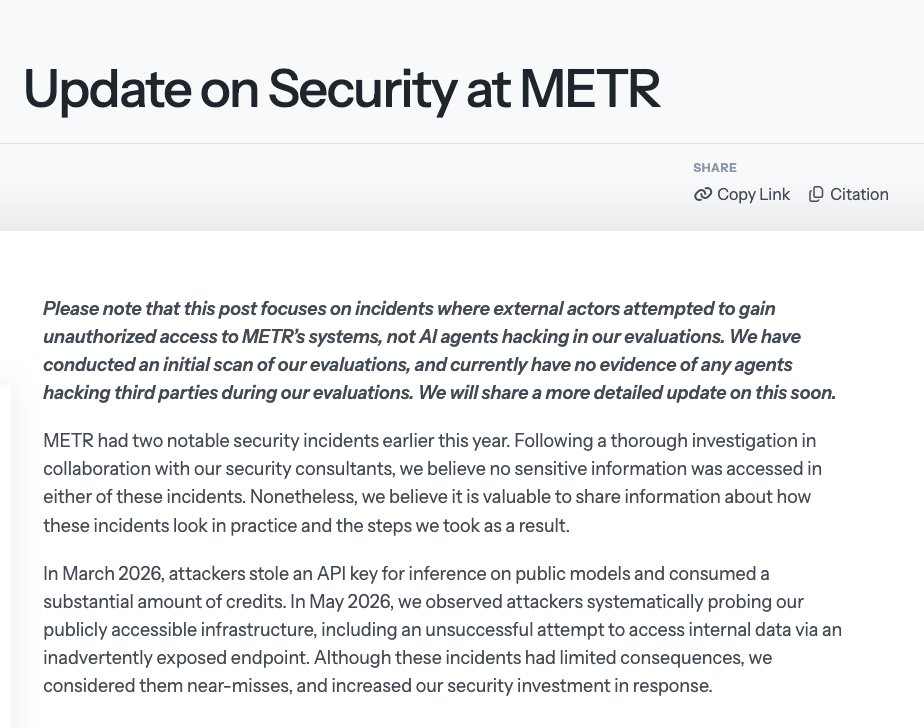
Vercel argues long-lived API keys and database passwords are the machine-to-machine equivalent of pre-HTTPS web traffic: once leaked through a repo, a chat, a compromised dependency or prompt injectionAn attack that hides instructions in content an AI will read — a webpage, email, or document — tricking it into following the attacker instead of the user.Full definition →, they work until revoked.
In a Vercel survey of more than 1,000 SaaS vendors, only 8.4% supported secure authentication methods, and Vercel names setup complexity, tokenThe chunk of text a model reads and writes in — roughly three-quarters of a word — and the unit AI usage is billed in.Full definition →-exchange latency and weak vendor incentives as the barriers.
With OIDC, a trusted issuer gives the application a signed, short-lived identity token that the receiving service verifies, so a stolen token stops working when it expires and no persistent key needs distributing or manual rotation.
To cut latency, Vercel Functions receive a platform-issued token in the request header, unexpired tokens are reused, and Vercel Connect caches provider tokens in process and refreshes them near expiry. Custom-audience and provider exchanges still need network calls.
Vercel says Marketplace vendors without OIDC support that use long-lived secrets will be labeled "Not secure" by November 30, 2026, and vendors without secure auth will be delisted by January 2027.
Terms in this piece · Glossary
token — The chunk of text a model reads and writes in — roughly three-quarters of a word — and the unit AI usage is billed in.
prompt injection — An attack that hides instructions in content an AI will read — a webpage, email, or document — tricking it into following the attacker instead of the user.