Google AI's Weekly Recap Includes New TTS Models and a Space Compute Prototype
- Source
- x.com
- Date

Check out this week's updates and releases: — Gemini 3.8 Flash TTS and Gemini 3.8 Flash-Lite TTS, two of our most expressive audio generation models yet — Gemini 3.8 Live with Live Avatar, bringing near real-time visual presence to Gemini’s conversational AI — @Gemini_Notebook Interactive Learning Overviews, giving all users an interactive hub to combine source summaries and artifacts — Live Chat on the @Gemini_Notebook mobile app, bringing real-time, hands-free voice conversations across ~100 languages — Project Suncatcher, our moonshot announced last year, will launch a prototype satellite to test @Google TPUs in orbit and explore solar-powered AI compute in space
Context
Google AI's weekly recap bundles several releases, but one item, Project Suncatcher, marks a concrete step on a moonshot the company first announced roughly a year earlier: using solar-powered compute in space. The recap confirms Google is now launching a prototype satellite to test whether its TPUs, the chips it designs for AI computation, can withstand space radiation, the vibration of launch, and vacuum cooling, conditions very different from a data center.
That framing matters because it marks the difference between an announced idea and a tested one: Google is not yet claiming space-based AI compute works, only that this satellite is the step meant to find out whether its hardware physically survives getting there. The same recap also covers new Gemini TTS models, covered in full separately.
- postGoogle's week: EmbeddingGemma 2, Nano Banana 2.1, Gemini business agent
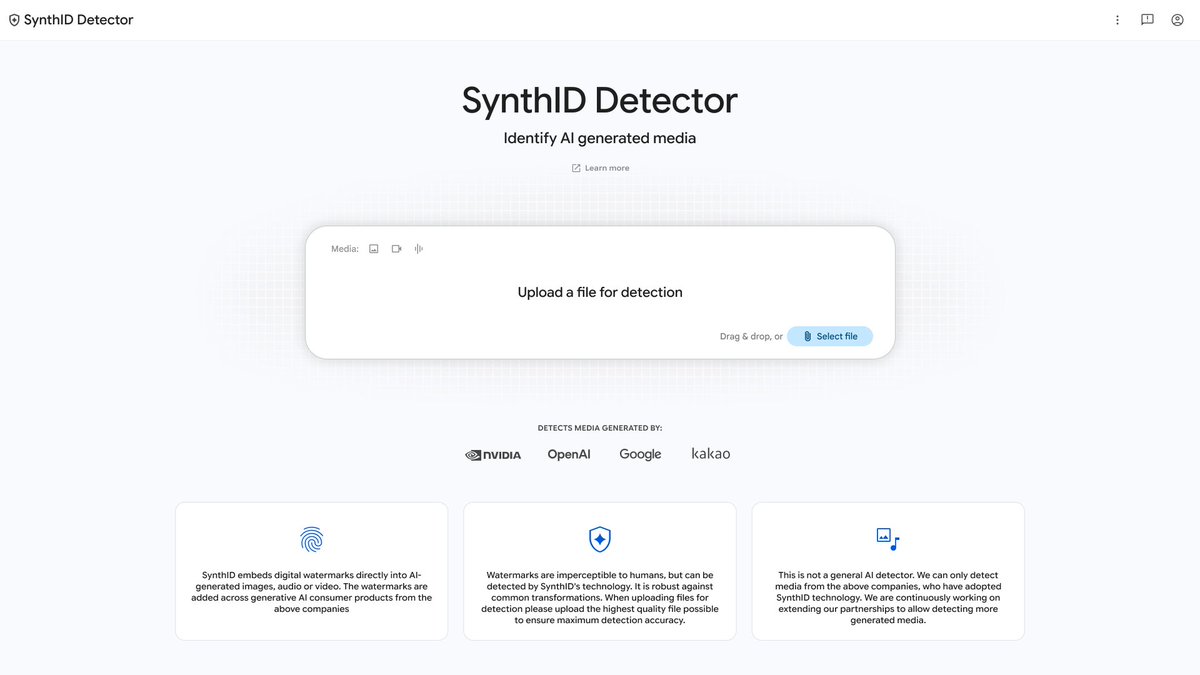 postGoogle opens SynthID watermark checks to everyone, with partner coverage
 postGemma 4 orchestrates a plant DNA model to find crop mutations in minutes
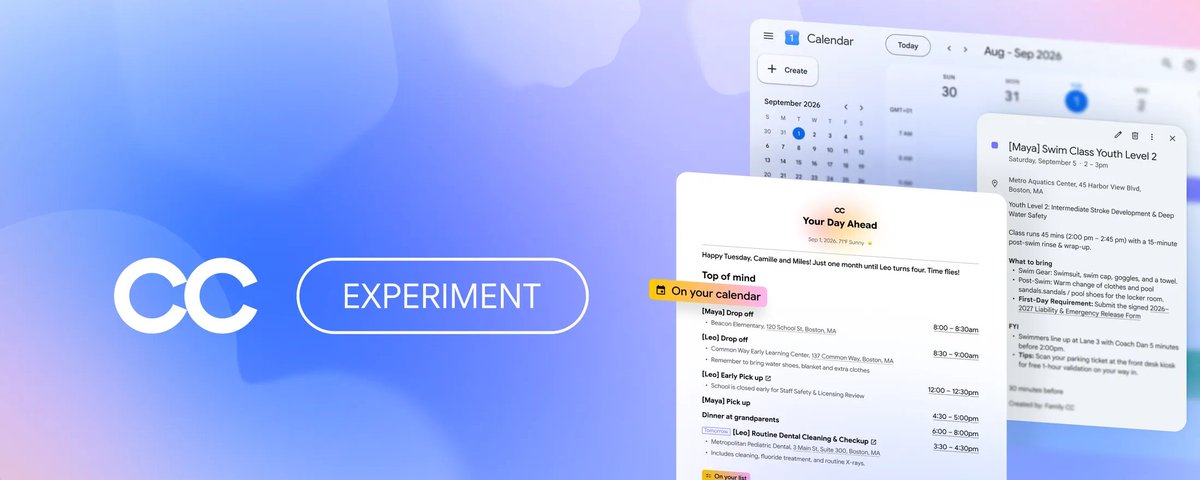 articleGoogle's Project CC gives a family agent its own identity and sandbox
Checking sign-in…
Loading comments…