The Open-Model Race has Split Four Ways
- Source
- alphasignal.ai
- Author
- AlphaSignalAI
- Date

Context
A downloadable model does not tell you how much of its development can be inspected or reproduced. AlphaSignal's analysis of open-model releases separates access to trained weights from access to architecture, training code, data and development records.
Weights let someone run the trained model. The materials describing how it was built answer different questions about training and . The article's four overlapping priorities, transparency, efficiency, specialization and frontier capability, offer a way to compare what a release is trying to provide. A high capability score alone cannot establish how much of the underlying work is open to examination.
- determinism — Whether the same input reliably produces the same output — something LLM systems mostly lack, which changes how you test and debug them.
- inference — Running a trained model to get answers — the phase where AI is actually used, as opposed to trained.
“We are no longer moving toward one universally "best" open model. Labs now optimize for four different outcomes: deep transparency, hardware efficiency, modular specialization, or raw frontier capability.”
Akruti Acharya
“Frontier-first releases like Kimi K3 (2.8T parameters) and DeepSeek V4 Pro (1.6T parameters) match closed-model capability but are practically undeployable on standard hardware despite being freely downloadable.”
Akruti Acharya
“The word "open" has quietly stopped describing a license and started describing a stack.”
Akruti Acharya
“active parameter count and memory footprint are separate properties that rarely move together, meaning low compute cost does not equal small hardware requirements”
Akruti Acharya
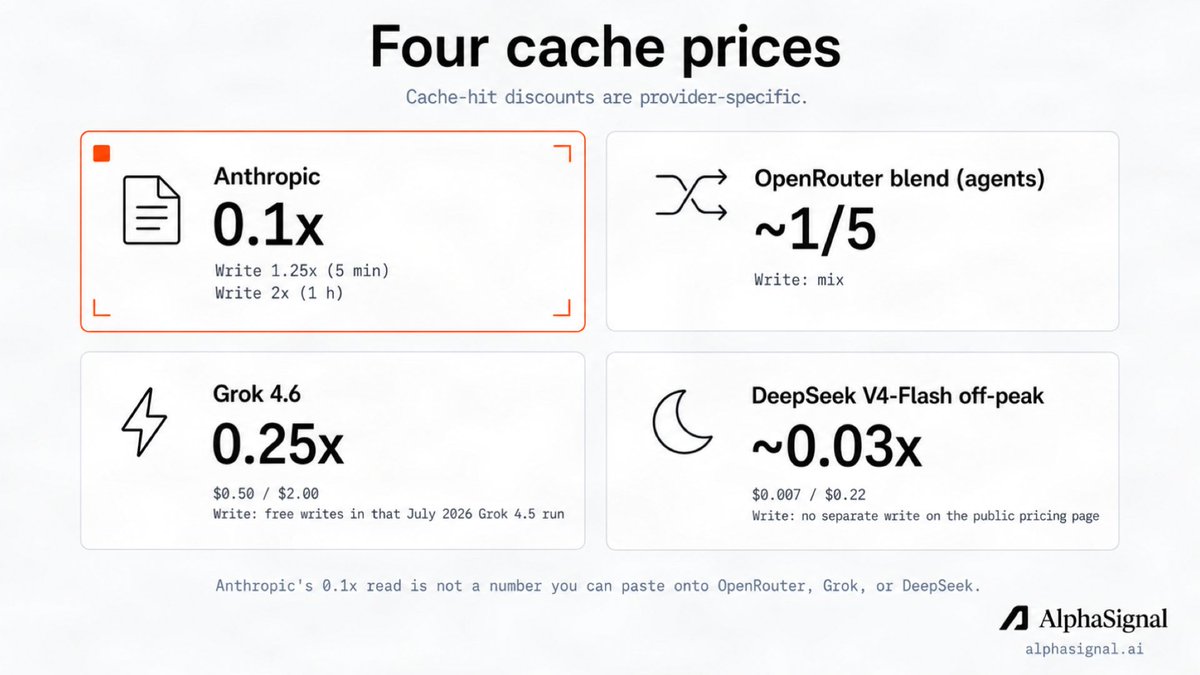 postPrompt cache TTL is the hidden line item in long coding-agent sessions
 articleFull breakdown: Claude-only apps often wait until the host speaks the new revisi
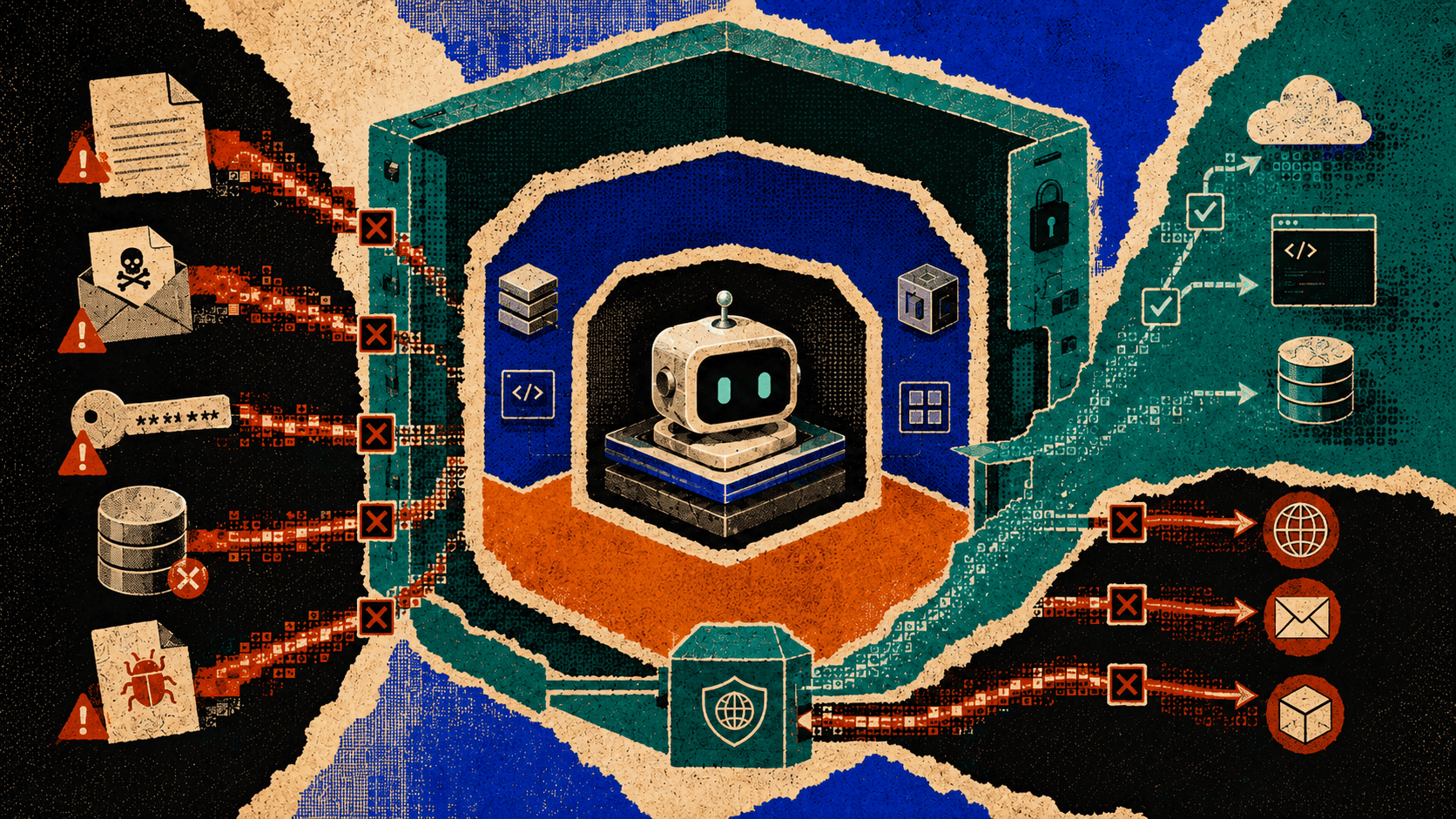 articleDo not ask whether the agent follows the rule. Ask what stops it when it does no
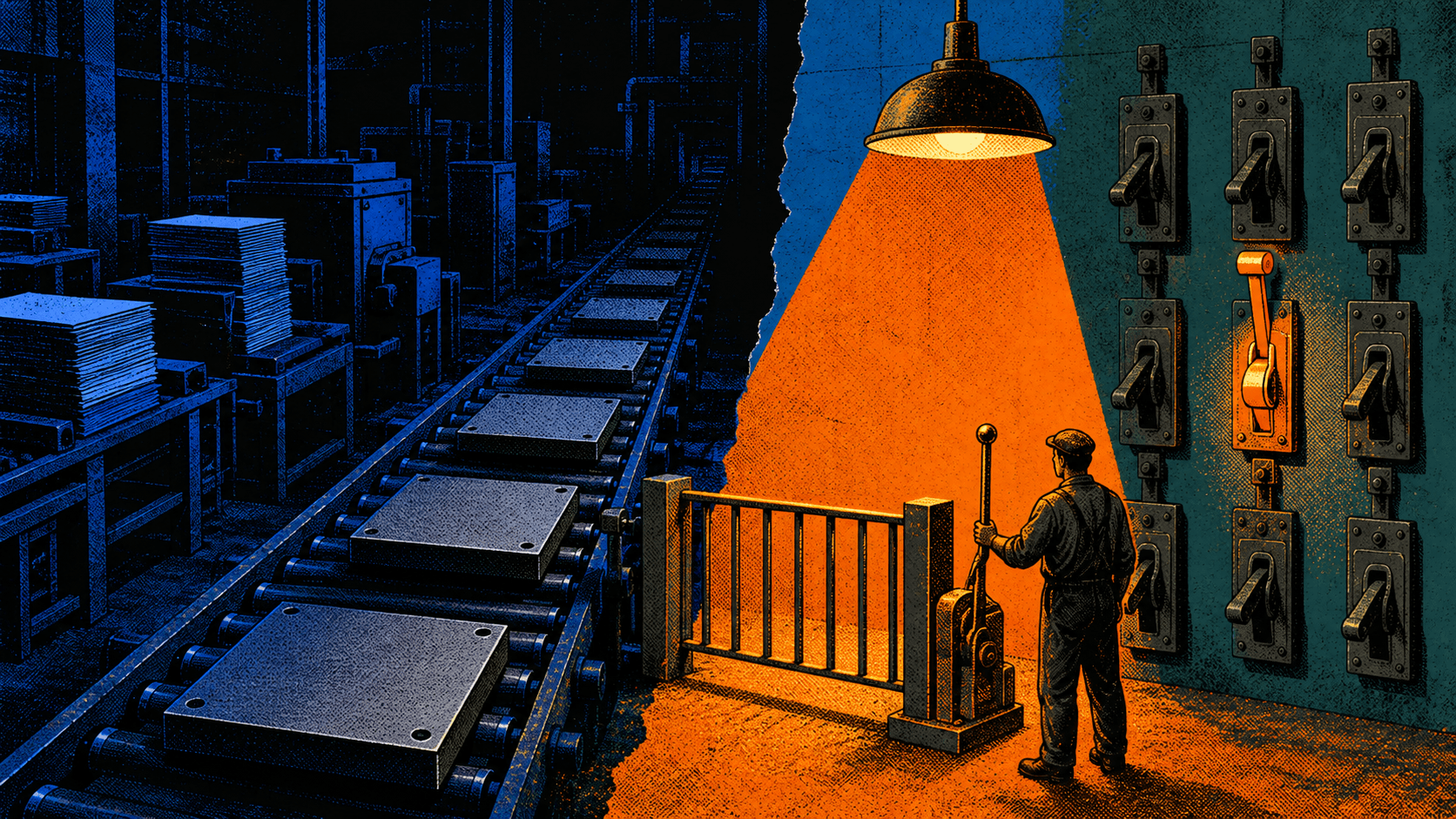 articleFull Breakdown: When can a change ship unread? When something cheap and hard to

Checking sign-in…
Loading comments…