Three Loops: Ng's Frame for Building 0-to-1 With Agents
- Source
- x.com
- Date

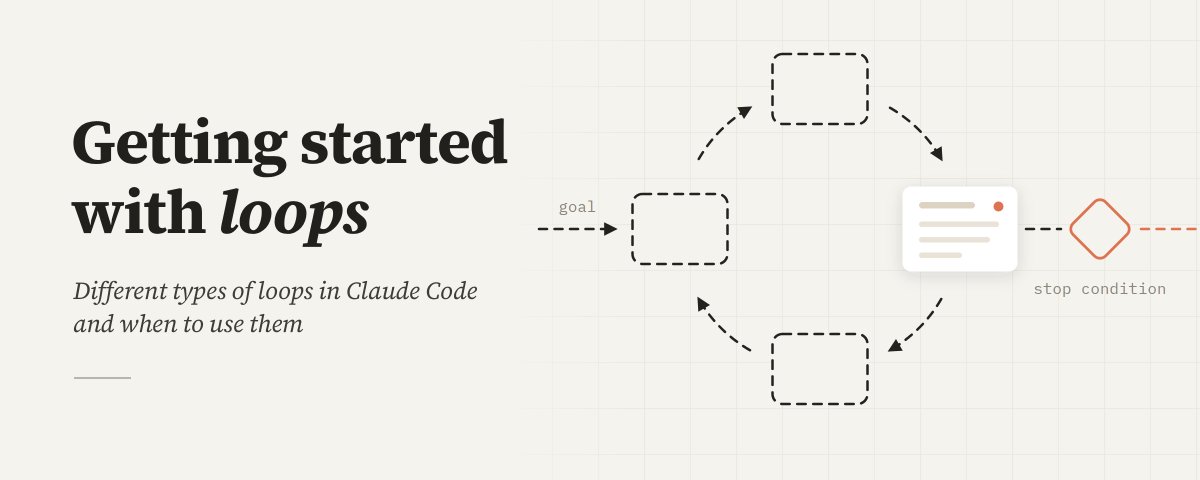
“Loop engineering” is a hot buzzphrase after mentions of it by Boris Cherny (Claude Code’s creator) and Peter Steinberger (OpenClaw's creator) went viral on social media. Loops are now a key part of how we get AI agents to iterate at length to build software. In this letter, I’d like to share my 3 key loops, shown in the image below, for building 0-to-1 products. These loops guide not just how I build software, but also how I decide what software to build. Agentic coding loop: Given a product specification and optionally a set of evals (that is, a dataset against which to measure performance), we can have an AI agent write code, test its work, and keep iterating until the code is bug-free and meets its specification. This idea of closing the loop took off around the end of last year, and it has been a game changer in enabling coding agents to work longer productively without human intervention. For example, over the weekend, I was building an app for my daughter to practice typing, and my coding agent could easily work for around an hour, using a web browser to check what it had built multiple times before getting back to me, without needing my intervention. The engineering loop…

Context
A coding can repeatedly improve an implementation while still needing people to decide whether it is the right product. Andrew Ng separates these responsibilities into three feedback loops: the agent writes and tests against requirements, the developer revises those requirements, and users supply feedback that can change the product's direction.
The loops answer different questions. Automated checks help establish whether software follows its specification. A developer contributes knowledge about users and priorities that the agent may lack. External feedback tests those assumptions against people's experience. Ng's framework therefore gives faster coding a place within product development while preserving the work needed to choose what deserves building.
- AI agent — An AI system that doesn't just answer once but works toward a goal in a loop — taking actions, reading the results, and deciding what to do next.
- eval — A repeatable test for AI quality — a set of tasks plus scoring — used the way software teams use test suites, because model output is too variable to judge by eyeballing.


Checking sign-in…
Loading comments…