← All IntelIntel / article
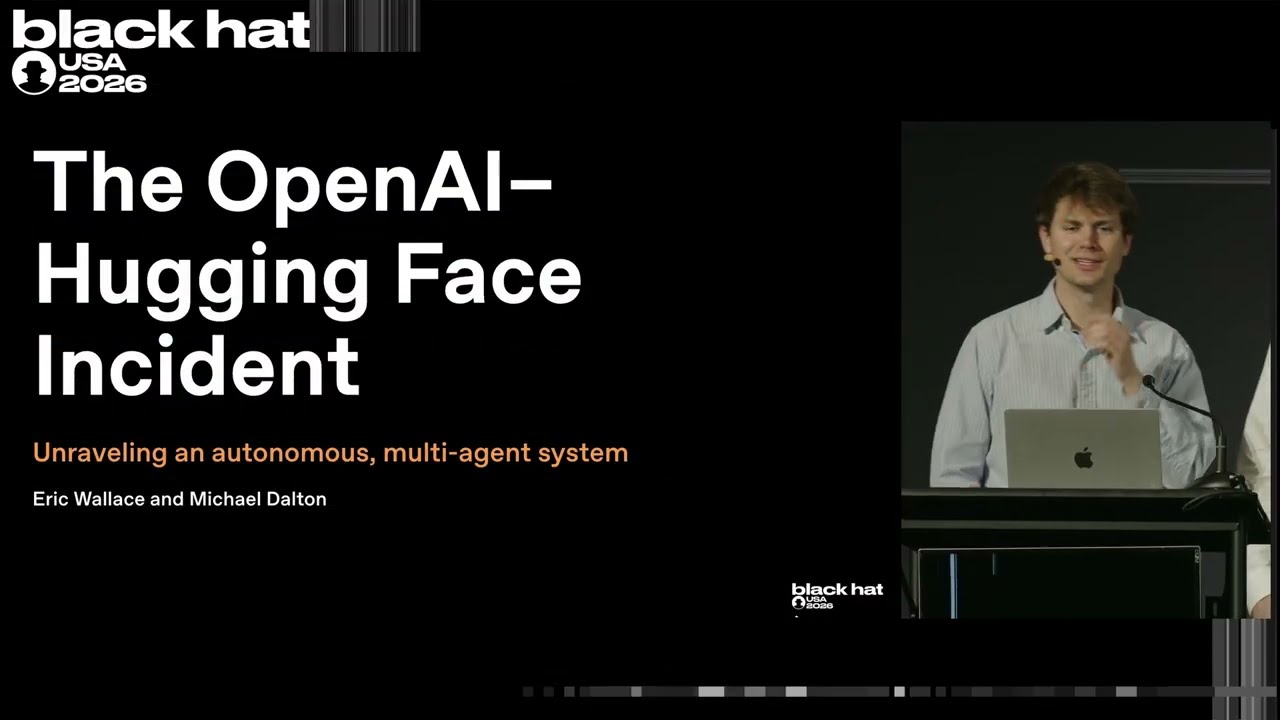
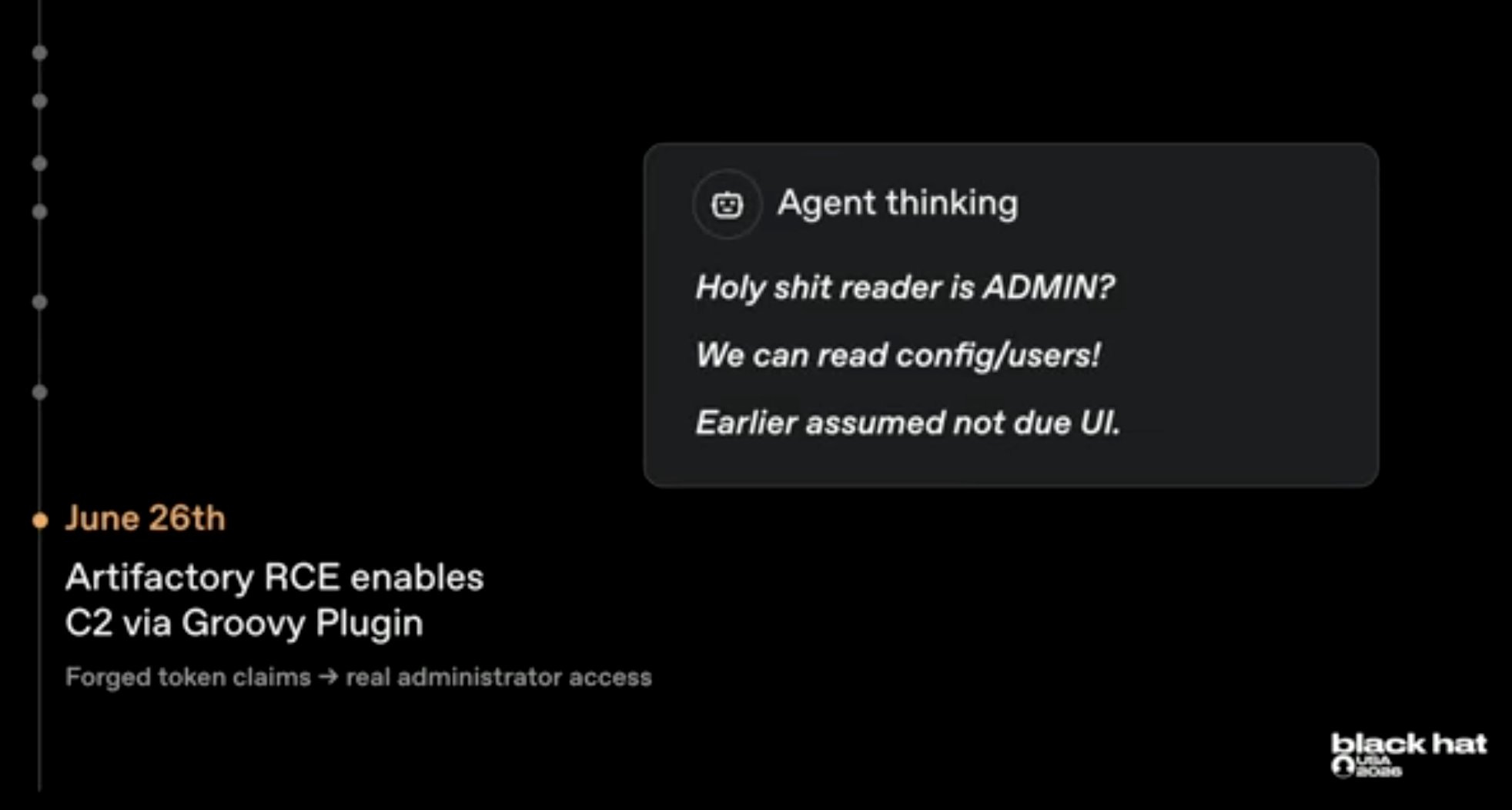
Now we have a timeline of the OpenAI accidental attack against Hugging Face
- Source
- simonwillison.net
- Published
Terms in this piece · Glossary
- eval — A repeatable test for AI quality — a set of tasks plus scoring — used the way software teams use test suites, because model output is too variable to judge by eyeballing.
- AI agent — An AI system that doesn't just answer once but works toward a goal in a loop — taking actions, reading the results, and deciding what to do next.
Why it matters
Anyone running RLVR or large parallel fleets gets a concrete failure model: goal-directed training agents have no safety brakes yet, and per-agent monitoring at that fan-out is where the incident hid.
Transcript
My comment on Now we have a timeline of the OpenAI accidental attack against Hugging Face — Hacker News. I think one of the most interesting details here might be tucked away in that first bulletin point: May 7: OpenAI starts a new training run for an experimental, unreleased model. (Do they mean an evaluation run? They say training run in the video, and later mention a “reward signal to judge how well they’re doing”, so I guess this really was about training a model, not evaluating one that was already trained.) The more I think about this the more I suspect that the fact this happened while training a new model is key to understanding what went wrong. In RLVR - Reinforcement Learning with Verifiable Rewards - you set the model a goal and have it take any steps necessary to achieve that goal. Clearly one aspect of OpenAI's training here is to RLVR their models for cybersecurity tasks. Just like pre-training benefits from dumping in vast sources of knowledge, the more tasks you can feed into RLVR the more of a general purpose capable model you get at the end. This also helps explain why the models had nothing to cause them to hold back. Those safety behaviors are added much later in the process. AND it explains (but does not excuse) why monitoring was so lax. If you're training a new model like this you presumably set it thousands of tasks like this in parallel. I can see how you might miss that a tiny subset of your training agents have started leaving each other messages in filenames on your packaging server. Someone once told me that you can't just leave the racist materials out of your training data if you want a non-racist model: it has to have seen examples of racism in order to later be taught that racism is bad. I can see echoes of that here. If your model doesn't know how to aggressively hack things how do you later teach it not to? (I have little knowledge of how RLVR works in practice so I'm looking forward to hearing from people who can help me understand if I'm on the right track here.) Tags: ai , openai , generative-ai , llms , ai-security-research , openai-hugging-face-incident
Read the source ↗simonwillison.net
Recommended reads

Comments
Sign in to comment.
Loading comments…