← All IntelClip / AI Agents
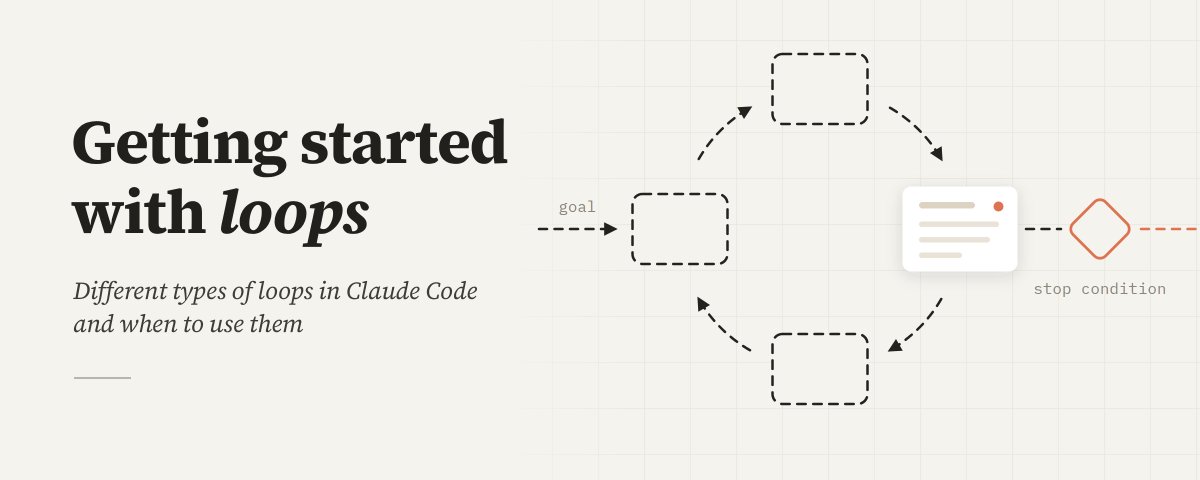
Anatomy of the loop: trigger, then skills gather context
From From Signal to PR: Anatomy of a Self-Improving Agent — Jason Lopatecki, Arize · ≈5:14
“so the magic of of of skills that that that connect to observability platforms um is it can gather the context. The agent can decide what it needs, what it needs to look at um to to start to troubleshoot what you have there.”
AI Engineer
“And so the future observability actually looks a lot more like this than it does clicking around graphana UI.”
AI Engineer
“most of the AI systems these days have like traces at the core of of the agent framework. So, so you kind of start with with looking at traces and this is this could be periodic you know every five minutes this could be based upon an event an error”
AI Engineer
“so it's this combination of the right data and file format in the repo along with your code in the repo. That's kind of the magic of this skills which are composable for the agent to go actually put a fix.”
AI Engineer
What’s in it
- Breaks the self-improvement loop into event or periodic triggers plus observability skills that let the agent decide what data it needs to troubleshoot.
Clip transcript
of what what we view the loop as. And really what it is is there's you know there's an event that occurs that you're kind of kicking things off on or you're looking at periodically. Um and then there's some context around that which is really driven by skills. Um, I guess a question for all of you. Who's created skills in this room? Who's created a skill that that that interfaces to an observability platform? Okay, handful. Okay, cool. Awesome. Um, so the magic of of of skills that that that connect to observability platforms um is it can gather the context. The agent can decide what it needs, what it needs to look at um to to start to troubleshoot what you have there. Um, and then there's idea of triggers which are like periodic and and um and uh and event based. And so the future observability actually looks a lot more like this than it does clicking around graphana UI. So first off evidence well normally these like or are or what do you start with what do you look at? Uh traces are are pretty nice logs as well. uh but but you know most of the AI systems these days have like traces at the core of of the agent framework. So, so you kind of start with with looking at traces and this is this could be periodic you know every five minutes this could be based upon an event an error and normally there's some combinations of these which is um you know some some like uh context and log you know context and skills used to put together logs maybe there's the repo uh you want kind of a combination of all this together um to understand what to go fix the repo tells you the code path that you know the you know all tells you everything that's there, the the production logs or traces that the agent pulls down. Um, normally our skills actually pull pull little temp files down into the the repo. Um, so that you kind of have this this this idea of what actually happened, what the code is there enough and and all that together to put up a fix. Um, so it's this combination of the right data and file format in the repo along with your code in the repo. That's kind of the magic of this skills which are composable for the agent to go actually put a fix. Um, and a lot of this, some
Recommended reads
Comments
Checking sign-in…
Loading comments…