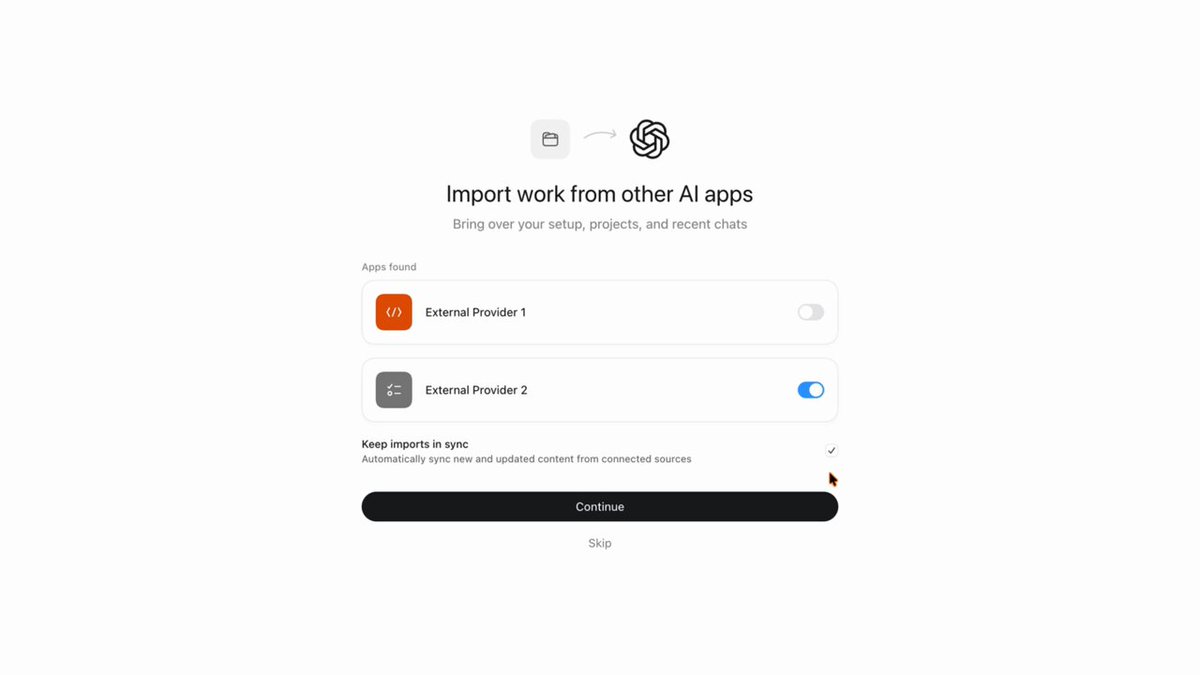
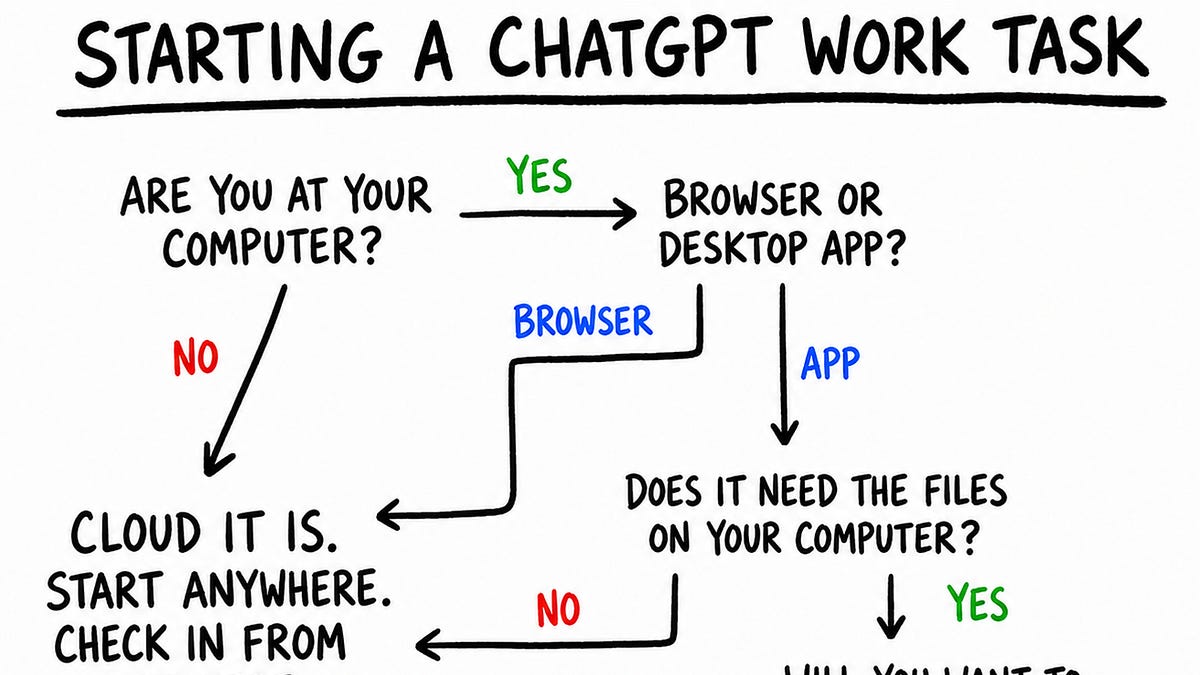
Codex and ChatGPT can now understand the context of your recent work. Opt into C
- Source
- video.twimg.com
- Publisher
- OpenAI
- Author
- OpenAIDevsTop Viber
- Date
Context
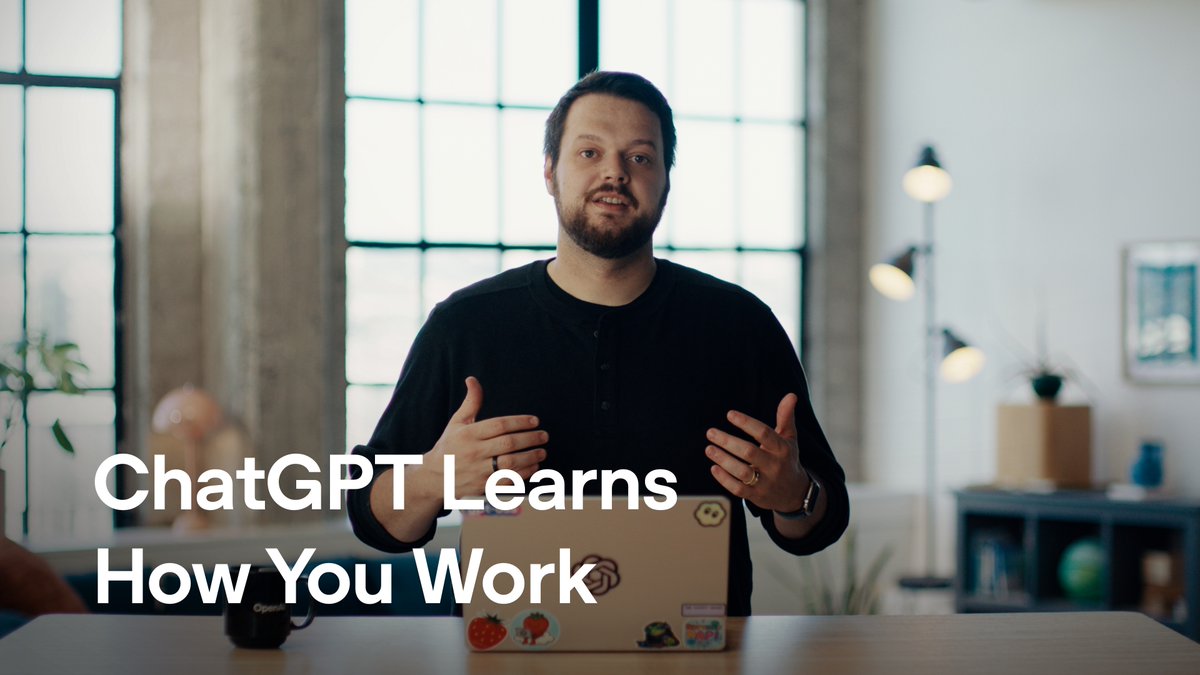
Computer History is an opt-in setting that lets ChatGPT and Codex draw on what you have recently done on your computer, so you do not have to restate that in each request. OpenAI's announcement says it helps the assistant pick up where you left off, understand patterns in your work, and suggest skills or scheduled tasks for work you repeat. In the attached demo video, the presenter says that once the setting is turned on in the macOS desktop app, it turns desktop activity into memories and a timeline the can consult the next time you ask a question or start a task.
The demo shows what that context is for. Asked for the last Google Doc the presenter was looking at, Codex names it from recent activity. Asked to make sure the doc was shared with two people from an earlier group DM, it finds that conversation, gives them viewer access and shares the doc there. Asked how the morning was spent, it summarizes the drafting, prototyping and feedback triage it saw. The presenter says the feature records interaction events such as clicks, typing and app switches rather than screen or audio captures.
Because the feature works by logging what you do, its controls carry much of the weight. According to the presenter, you can exclude specific websites or whole apps from a new menu bar entry or in the desktop app's settings, review everything captured, delete individual entries, clear recent history, and open the memory files, which stay on your system. This account comes from an automatic speech transcript of OpenAI's demo with the visuals unanalyzed. It does not say which plans get the feature, when it rolls out, or where captured events are processed before they become memories.
- Context and context window — Context is the information available for a generation; the context window is the capacity available to hold it.
- Agent — A system in which a model repeatedly chooses operations, a harness carries them out, and the results return to the model to inform its next choice.
- File — A named unit of stored data that keeps its contents while no program is using it.