Notes from the SaaS Funeral
- Source
- x.com
- Author
- Reid Hoffman
- Date
Context
Cheaper code generation changes the economics of business software, but customers also pay for keeping systems dependable. That is the central argument of Reid Hoffman's essay on subscription software. Hoffman points to maintenance, verification, security and continuing adaptation as work that persists after the first version is written.
Hoffman expects competition to shift toward software that understands a customer's particular workflow and uses its accumulated data effectively. The argument gives buyers and builders a more specific question than whether an application can be generated: who will keep it useful as requirements change? This is Hoffman's forecast about where software businesses can retain value, rather than evidence that existing vendors will necessarily succeed.
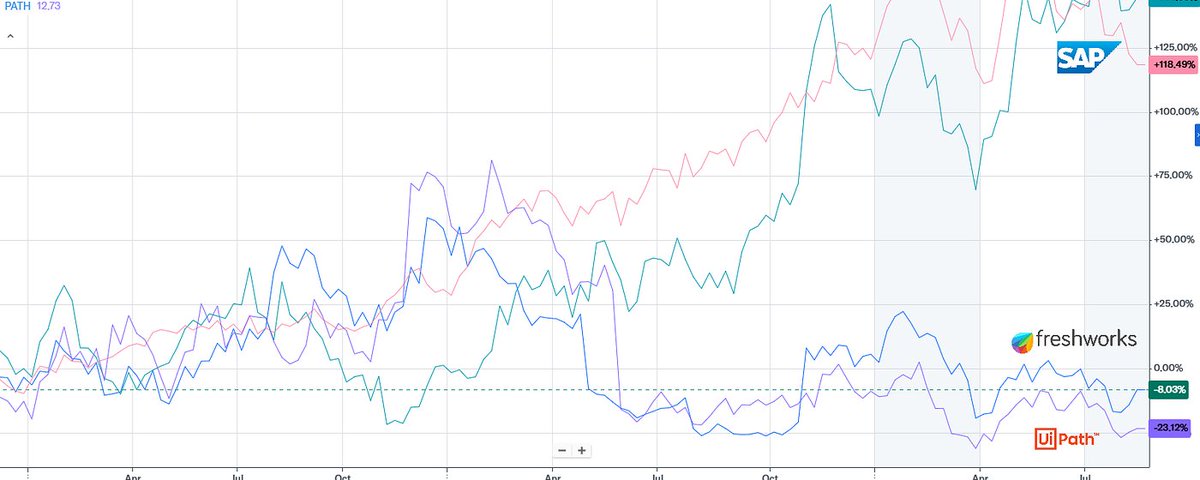
- A single tweet about Claude Code knocked about 5% off SaaS stocks. The author's point: the market is pricing the cost of writing code, which was never the expensive part of running a software business.
- Jevons' Paradox cuts the other way here. As building software gets dramatically cheaper, demand for software expands dramatically. Cheap production grows the market rather than deleting it.
- Customer lock-in gets stronger, not weaker. Once a vendor's AI has been tuned on years of your specific workflows, switching means throwing away that accumulated tuning, not just migrating data.
- The industry already ran this transition once: on-premises to cloud SaaS. Margins and delivery models changed, the business didn't end. Cloud to AI-native is the same shape of move.
- Nobody vibe-codes their own payroll platform, and capability isn't the blocker. It's the compliance and security exposure of running a bespoke system that no auditor has ever certified.
“Just two weeks ago, a single tweet about Claude Code was enough to wipe five percent off SaaS stocks.”
“The leap from “the old SaaS model is being disrupted” to “no one will sell software anymore” is a distinct flavor of foolishness.”
“They are living systems that require maintenance, verification, security, compliance, and ongoing refinement.”
“We went from on-premises software to cloud SaaS and the world didn’t end; it expanded.”

Checking sign-in…
Loading comments…