GPT-Rosalind reaches the API and Codex for biology research
- Source
- x.com
- Date
OpenAI took GPT-Rosalind out of research preview and into general availability through the API, Codex, and ChatGPT Enterprise. The model is trained for biological reasoning, connecting findings across papers and helping researchers plan follow up experiments rather than just summarizing text. Alongside the release, OpenAI added dedicated Life Sciences plugins inside Codex for genomic analysis, protein structure work, and translational research workflows, giving biology teams a coding environment built around their specific data types instead of a general purpose one. Moving a domain model from preview to general availability signals OpenAI sees enough real usage to commit engineering resources to it long term, and the accompanying plugins suggest the company is building vertical tooling around its frontier models rather than treating them as one size fits all products. For research groups already using GPT-Rosalind informally, general availability likely means clearer support and pricing. For everyone else, the Life Sciences plugins are the more concrete new capability worth testing.

Bring stronger biological reasoning to your research with GPT-Rosalind in the API and Codex. Connect findings across papers and experimental results, weigh the evidence for a biological target, and work through an analysis to plan what to test next.

Context
GPT-Rosalind is pitched as a model for the reasoning step of biology research. In its announcement, OpenAIDevs says the model is now in the API and Codex, and describes three jobs for it: connecting findings across papers and experimental results, weighing the evidence for a biological target, and working through an analysis to plan what to test next.
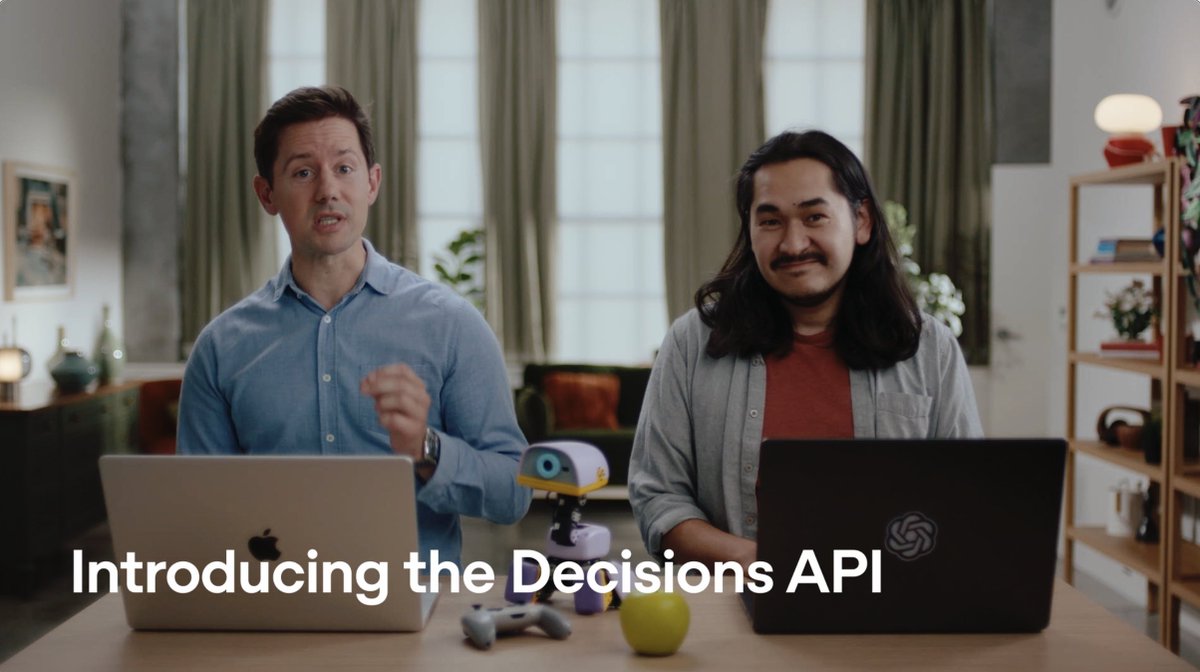
The attached demo video shows that last step. In the narration, from an automatic transcript of the audio (the visuals were not analyzed), the model has already ranked a target called TSLP as the top priority. It is then asked to design a follow-up perturbation assay with specific parameters. The narrator presents this as going past generating hypotheses to proposing something a wet lab can run, so the lab's results can feed the next round of analysis.
The narration also says the model can generate novel hypotheses and design experiments for drug discovery work because of what it calls lifted biosafety restrictions. Neither the post nor the transcript says what those restrictions are, who qualifies for the version without them, or how access through the API and Codex is granted. OpenAI's product page could not be retrieved for this note, so those access terms are not covered here.
- reasoning model — A model trained to think — generating extended internal reasoning before answering — trading time and tokens for accuracy on hard problems.

Checking sign-in…
Loading comments…