Claude Code mods let you extend behavior and UI in TypeScript
- Source
- x.com
- Date
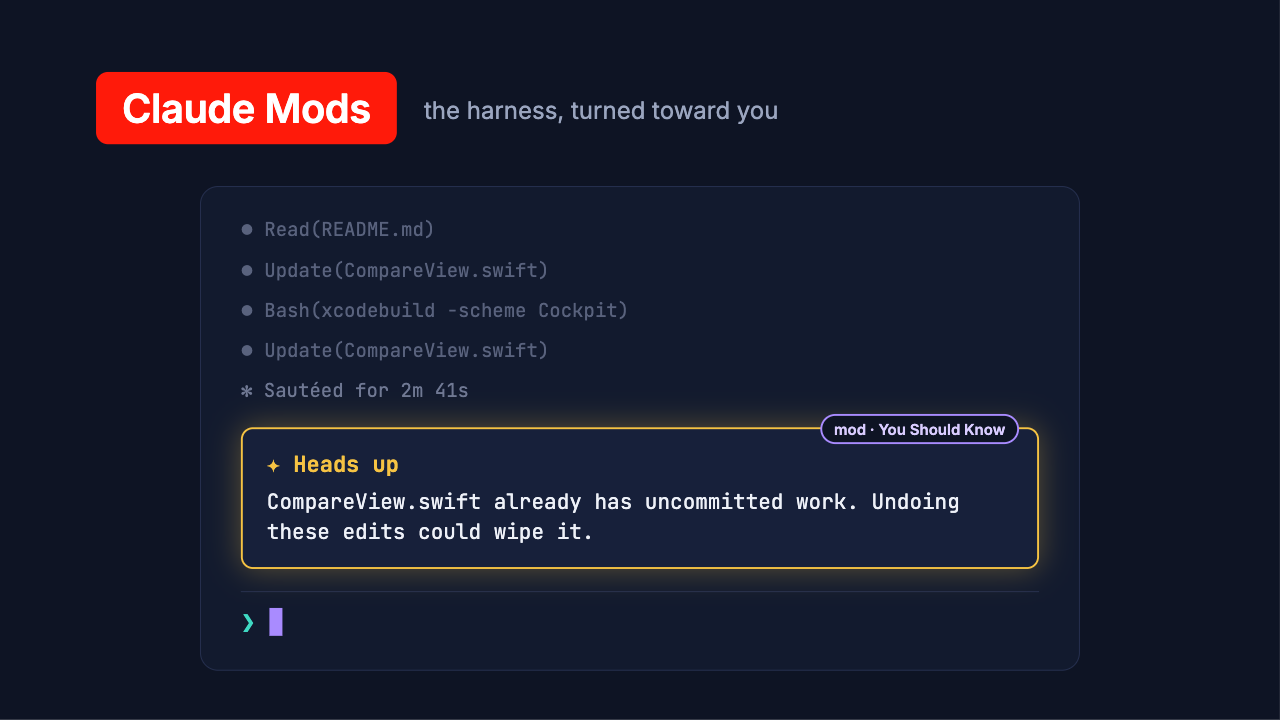
Claude Code plugins can now carry mods: TypeScript extensions that reach into the agent's behavior and its interface rather than only adding commands or prompts. The team's examples show the range. One mod forecasts how much of the context window is left, another guards against risky shell commands, and a third adds a pane that replays diffs. Because mods ship through the existing plugin mechanism, teams can distribute internal guardrails or UI changes the same way they already share plugins. The caution is the same as for any local extension: mods run with the same machine access as Claude Code itself, so a mod from an untrusted source has the same reach as the agent. Treat installing one like adding a dependency, and review what it does before enabling it on a machine with credentials.

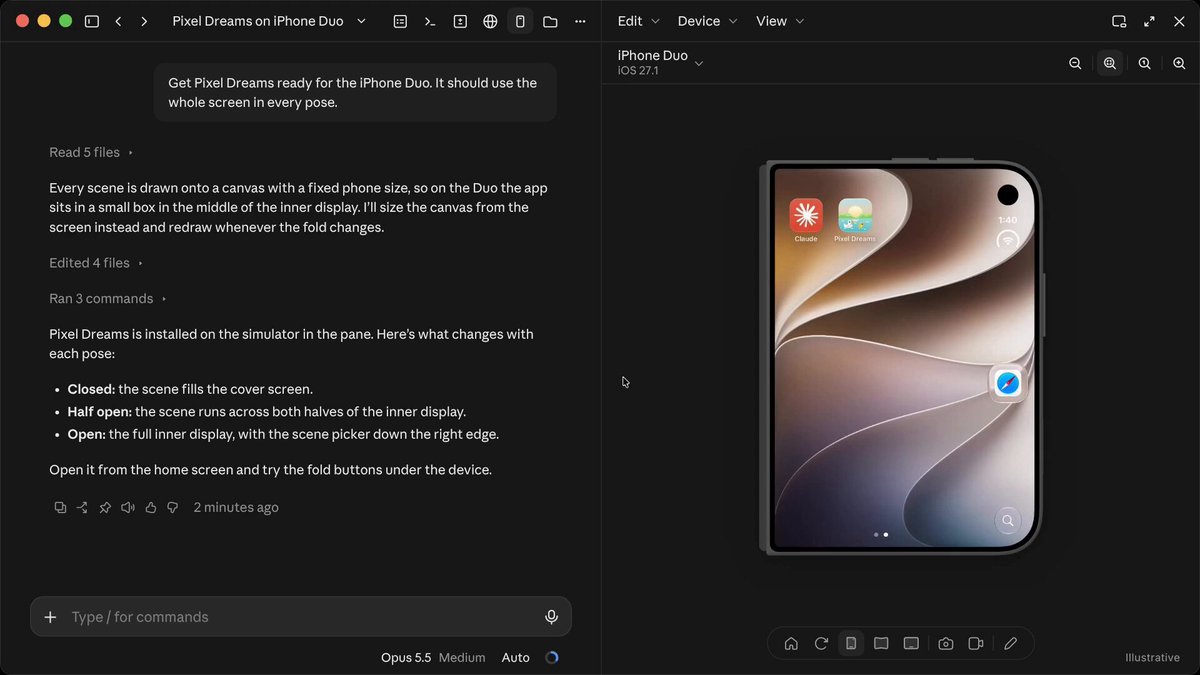
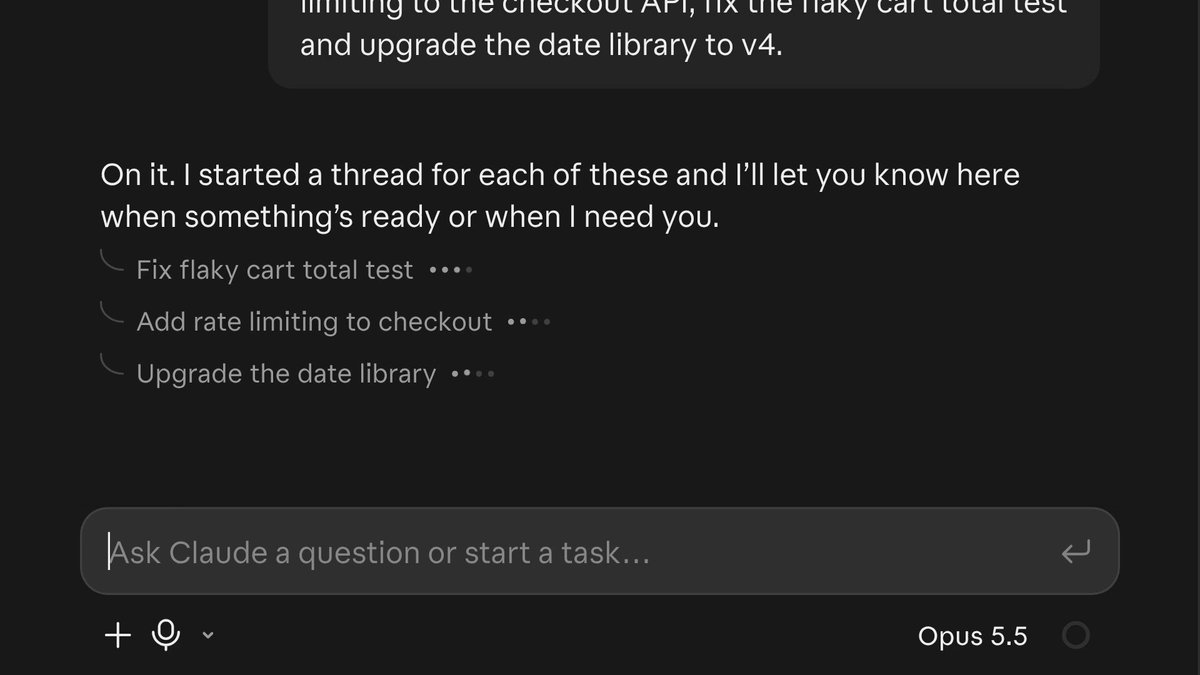
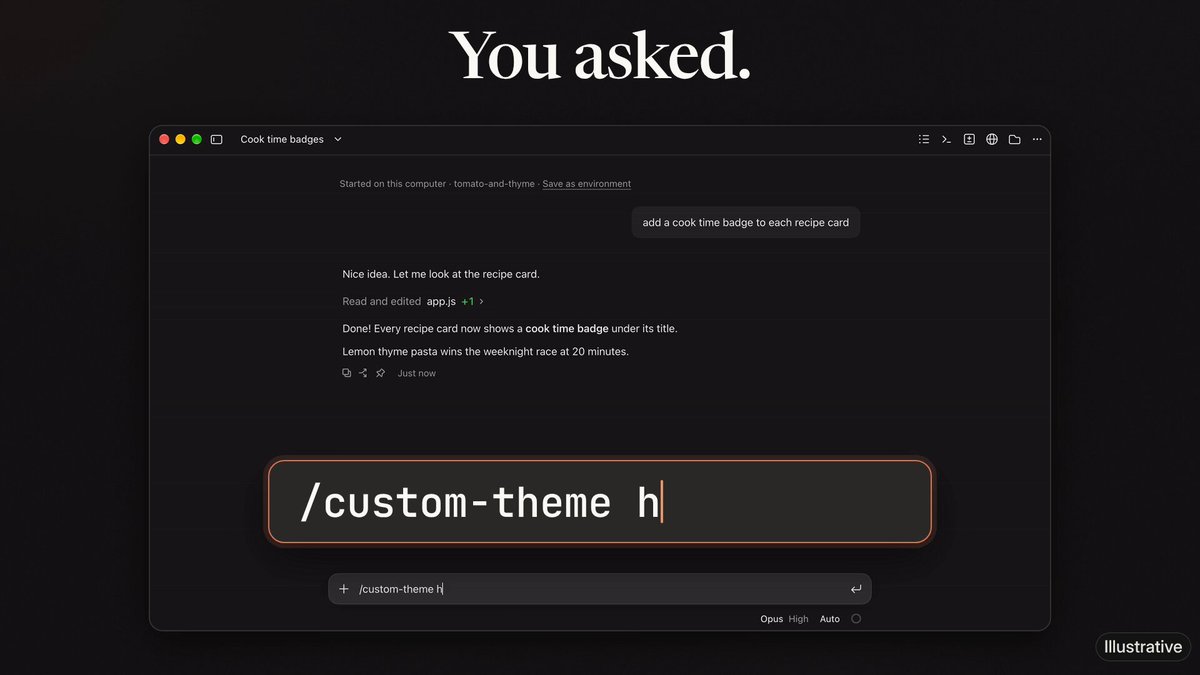
You can now mod Claude Code: - Change how it behaves - Customize the UI - Swap in your own features Write one with a few lines of TypeScript, or have Claude build it for you. Mods ship inside plugins, so you install them with /plugin in the CLI or desktop app. A few examples:

Context
A Claude Code mod is a small program that changes the coding itself: how it behaves, what its interface shows, or which features it has. The ClaudeDevs account announced on October 1 that users of Anthropic's Claude Code can now write one in a few lines of TypeScript, or ask Claude to build it for them. That puts changes to the tool in the user's hands rather than waiting for a feature to ship.
Mods have no separate distribution route. They ship inside plugins, so a user installs one with the same /plugin command, in either the command-line tool or the desktop app. The example video attached to the announcement could not be reviewed, so the post's three broad categories are the only description here of what a mod can change. A separate Claude video on mods walks through examples.

Checking sign-in…
Loading comments…