Managed Deep Agents 0.8 adds HTTP channels, user memory and auth
- Source
- langchain.com
- Author
- LangChain
- Date
Context
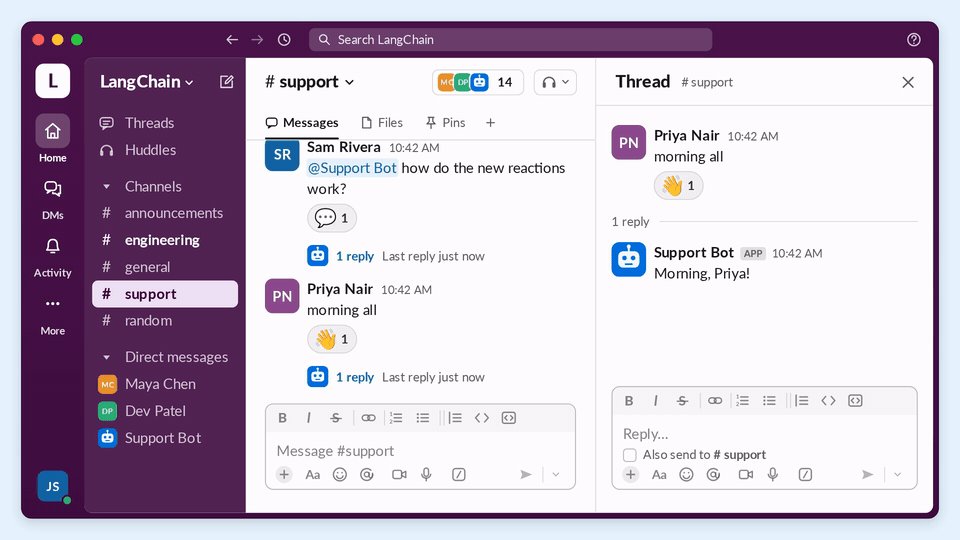
LangChain's Managed Deep Agents 0.8 adds HTTP channels. These let a deployed take requests from any service that can send a JSON webhook, which is an automatic message one system posts to a web address when something happens. The platform already offered pre-built Slack support. The release article presents the channel as a way to put agents into internal tools, customer portals, support systems and order systems. The same release adds user-owned credentials, user-level memory, file transfer in Slack and built-in web search powered by Parallel. The announcement post and its video focus on the channel.
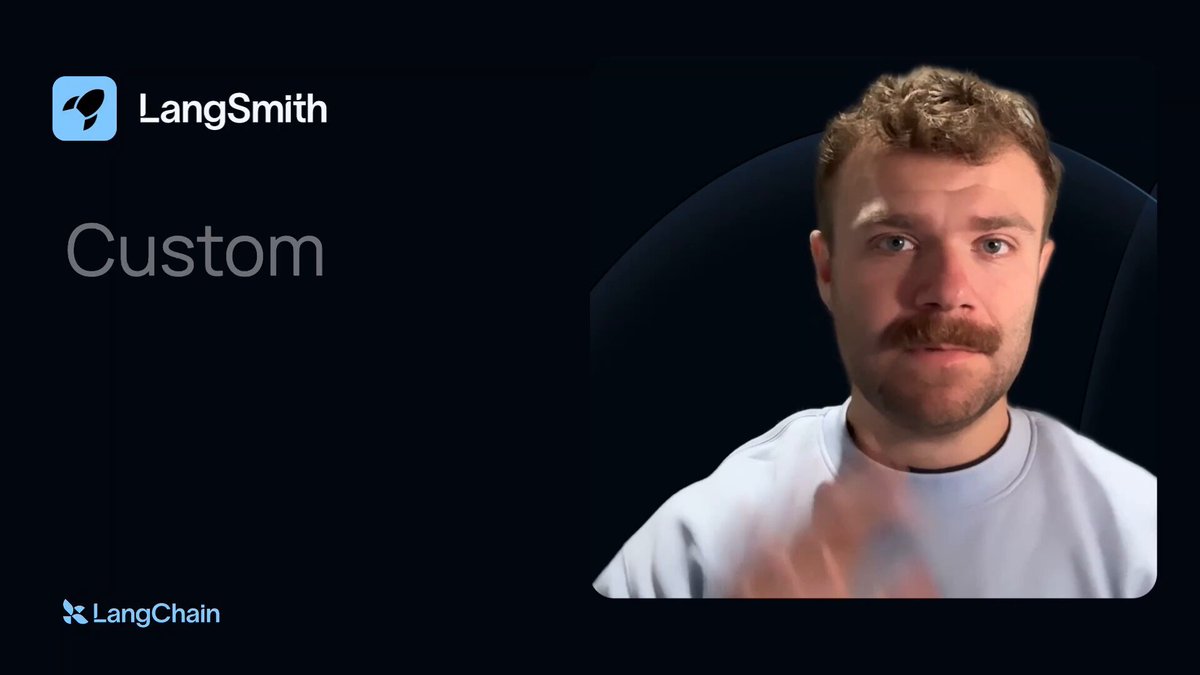
In the article's code sample, a channel is declared with a provider name and three functions the team writes itself: verify, parse and messaging. The article does not say what they do. A walkthrough video by Nathan Drezner, who works in product at LangChain and co-wrote the article, fills that in. The verifier receives the raw bytes of an incoming request and checks that it is valid and was sent securely. The parser pulls the relevant text or images out of the provider's JSON, which differs from provider to provider. It also sets the thread ID, which decides whether a message continues an existing conversation or starts a new one. A reply function posts the agent's answer back to the provider. This explanation relies on an automatic speech transcript of the video; the code shown on screen was not available.
The demo is an expense agent that people reach by text message through Photon, a service that connects to SMS, iMessage or WhatsApp. To keep each texter's messages in one ongoing thread, the parser hashes the sender's phone number into an ID. When a receipt photo arrives, the agent extracts the details and adds them to a markdown table in its durable memory, which is stored in LangSmith Hub. Drezner notes that a production version with many users would need authorization so that each user's receipts are stored separately, or an external store for the ledger. That matches the article's memory defaults. Shared agent memory is available to HTTP runs. User memory, which is keyed to the caller's authenticated identity, is denied for HTTP runs unless the team sets its own access policy. So HTTP runs get shared agent memory by default, but separating one caller's data from another's is left to the developer.
- AI agent — An AI system that doesn't just answer once but works toward a goal in a loop — taking actions, reading the results, and deciding what to do next.
- context window — The maximum amount of text a model can consider at once — its working memory for the current conversation or task.
Checking sign-in…
Loading comments…