Gives a geometric reason small-rank adapters can suffice and a worked router fine-tuningTaking a trained model and training it a bit more on your own examples so it gets better at one specific job.Full definition → comparison, helping decide when LoRA beats prompting.
Key takeaways · AI-distilled
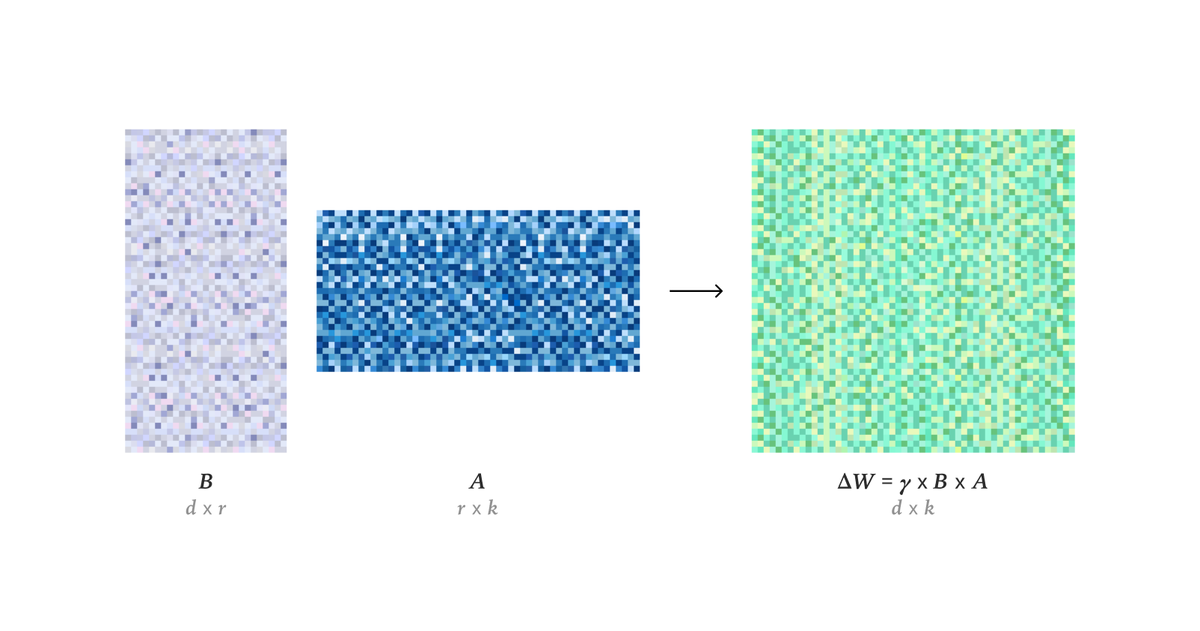
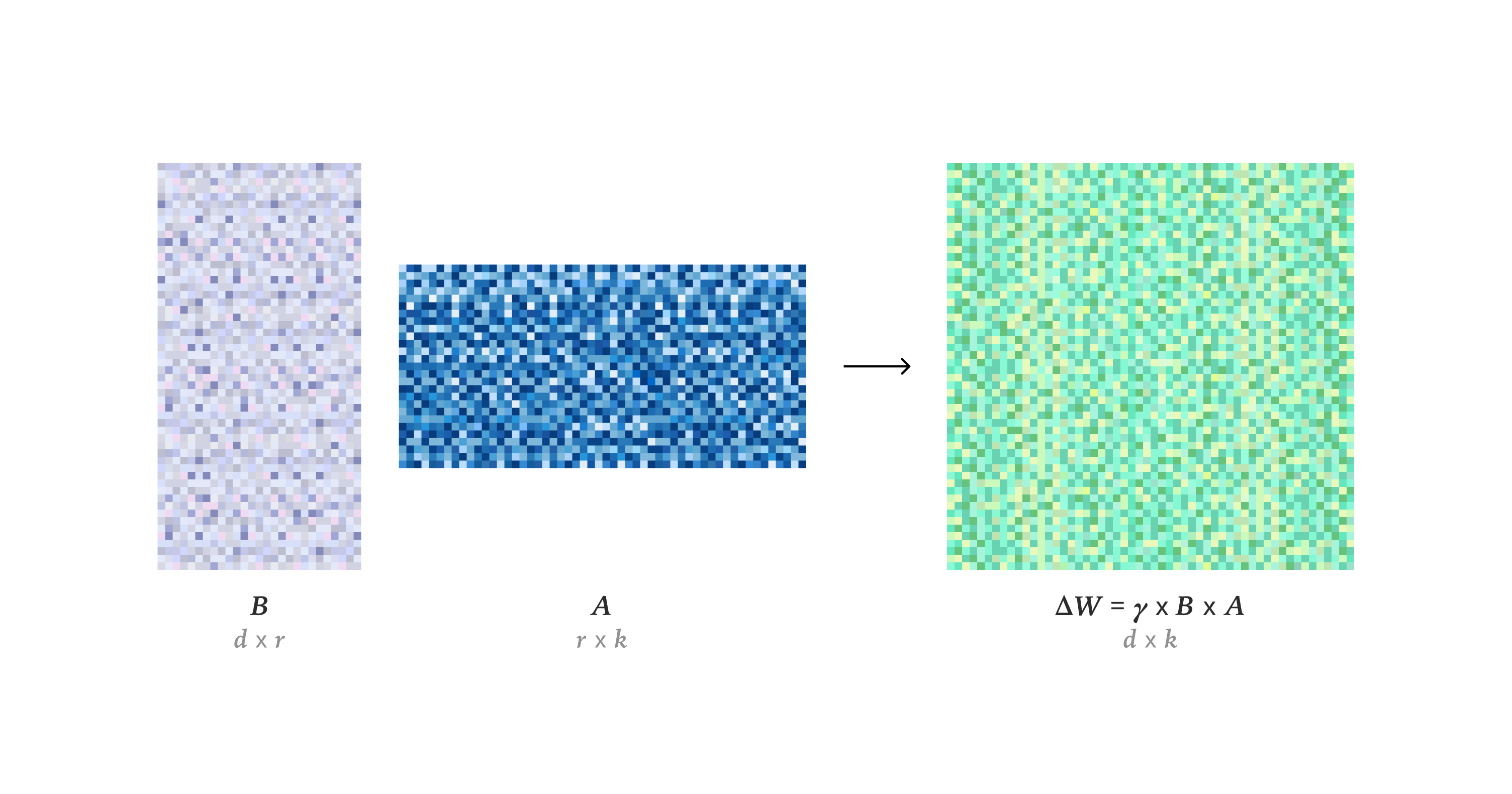
LoRAA cheap way to fine-tune a model by training a small add-on layer instead of changing all of the model's weights.Full definition → can teach a 2.8-trillion-parameter model like Kimi K3 a new agent skillA reusable instruction file that teaches an agent how to do one job well — the procedure, the tools, and what counts as done.Full definition → by training less than 0.2% of its weights, according to this Fireworks-sponsored explainer.
The video explains why tiny ranks work through a task's "intrinsic dimension," drawing on a 2018 Uber AI experiment (Li et al.) that trained along random directions on handwritten digits and a walking humanoid.
Its test fine-tunes Qwen3.8-27B as a prompt-complexity router, the kind of model behind Cursor's Auto mode, comparing prompting, in-context windowThe maximum amount of text a model can consider at once — its working memory for the current conversation or task.Full definition → learning, and LoRA at r=1 versus r=16, then measuring each adapter's stable rank.
Terms in this piece · Glossary
LoRA — A cheap way to fine-tune a model by training a small add-on layer instead of changing all of the model's weights.
fine-tuning — Taking a trained model and training it a bit more on your own examples so it gets better at one specific job.
context window — The maximum amount of text a model can consider at once — its working memory for the current conversation or task.
agent skill — A reusable instruction file that teaches an agent how to do one job well — the procedure, the tools, and what counts as done.