Math Wars, GG Navier Stokes, Greg Brockman Joins | Dan Wright, Eric Seufert, Scott Wu, Sahir Jaggi, Andrew Borovsky, Harry Mellsop
- Source
- share.transistor.fm
- Author
- John Coogan & Jordi Hays
- Date

Context
Robotics teams with few deployed machines face a data problem: learned simulators need real-world examples, while hand-built simulations keep missing conditions encountered outside the lab. In this TBPN interview, from 02:54:25, simulation company Antioch describes combining the two approaches. It uses classical simulation where that works and learns improvements where it falls short.
The intended loop is to use a small amount of field data to improve the simulation, then use that simulation to train a better robot. Antioch argues that this could help teams deploy robots faster despite limited initial data. The interview explains a proposed way to make scarce field observations more useful; it does not provide a measured reduction in data requirements.
- context window — The maximum amount of text a model can consider at once — its working memory for the current conversation or task.
- 00:57Math Wars
- 14:38Astra Reactions
- 26:47Trailer Zone
- 39:19AI Job Boom Beats the Doom
- 52:57X Timeline Reactions
- 01:02:27Dan Wright on Armada's edge data centers
- 01:12:07Eric Seufert on Netflix/YouTube convergence and ad monetization
- 01:48:28X Timeline Reactions
- 01:49:49Scott Wu on Cognition, Devin, and AI orchestration
- 02:10:49Greg Brockman on OpenAI's reasoning and agentic AI
- 02:35:42Sahir Jaggi on Forest's AI Network for Medicine
- 02:43:57Andrew Borovsky on Split's cash-flow underwriting fintech
- 02:52:14Harry Mellsop on Antioch's robotics simulation tech
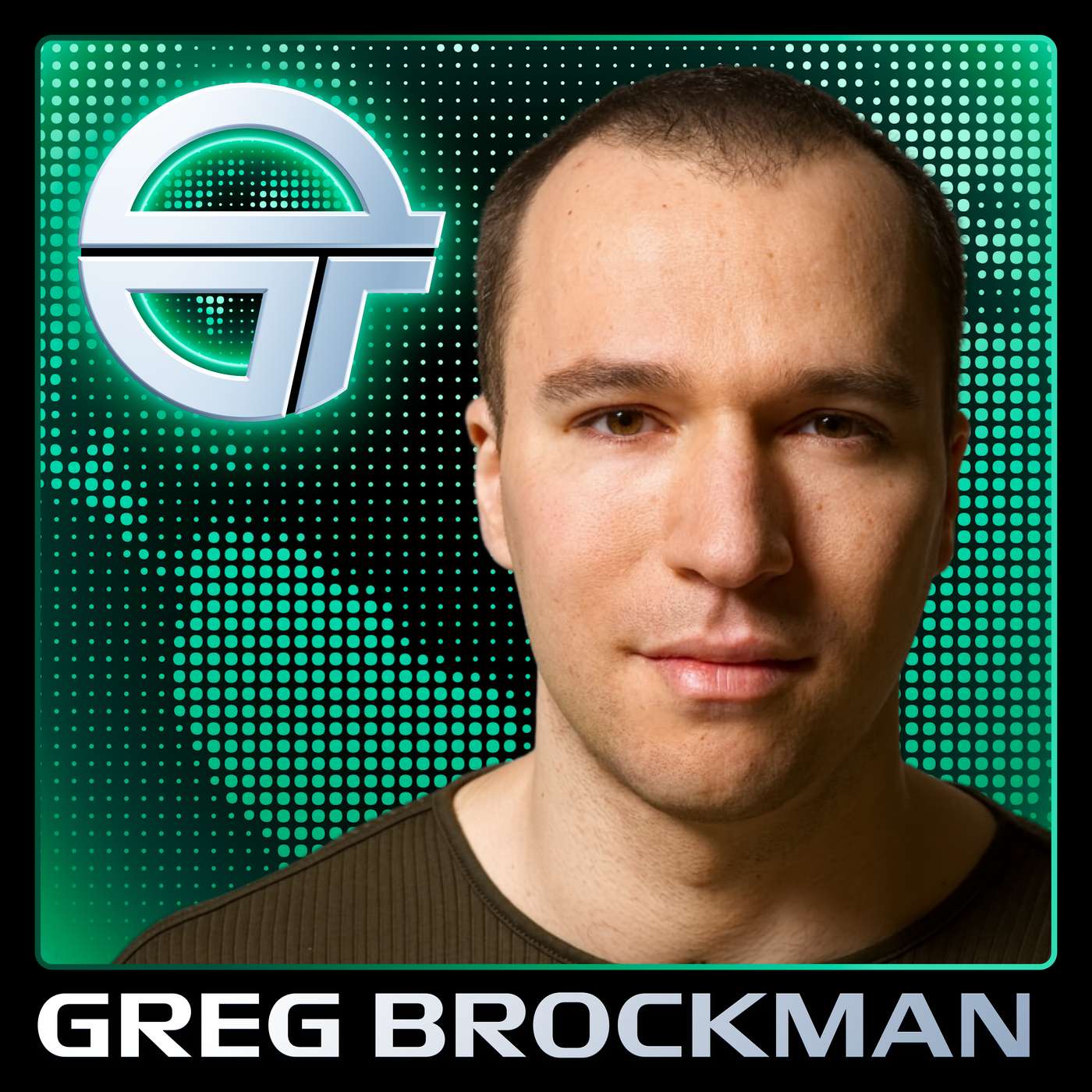 podcastGreg Brockman on Astra and the Future of OpenAI
- podcastJobs Boom, Astra Reactions, Cybercab Roll Out, The Dyson Debate | Hunter Somerville, Bar Winkler, Bridgit Mendler, Carina Hong & Ken Ono
- podcastModel Mayhem, NVIDIA x Hugging Face Deal, GPT-6 Astra | Pablo Torre, Mohit Aron, Akshay Narisetti, Hari Ravichandran, Matt Caldwell & Jordy Leiser, Jeff Thornburg, Charlie O’Neill, Sridhar Ramaswamy
- podcastLIVE From CrowdStrike's Fal.Con 2026 | George Kurtz, Michael Sentonas, Daniel Bernard & Justin Boitano
 podcastNoam Brown – Agent swarms, alignment, & recursive self-improvementDwarkesh Patel
- podcastModel Mayhem, NVIDIA x Hugging Face Deal, GPT-6 Astra | Pablo Torre, Mohit Aron, Akshay Narisetti, Hari Ravichandran, Matt Caldwell & Jordy Leiser, Jeff Thornburg, Charlie O’Neill, Sridhar RamaswamyJohn Coogan & Jordi Hays
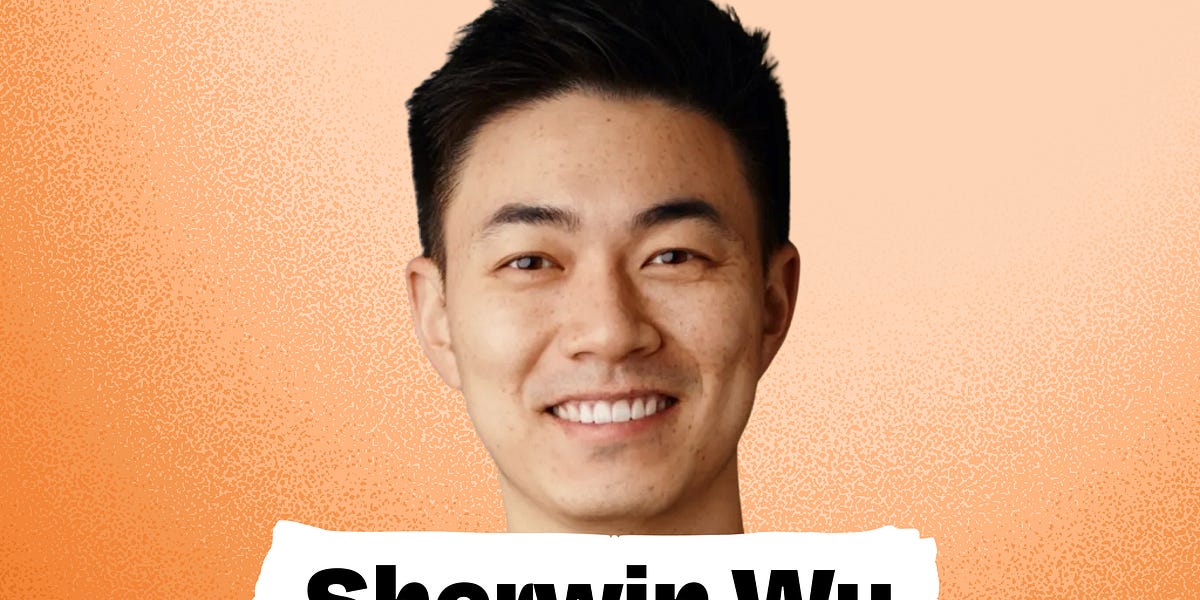 podcast“Engineers are becoming sorcerers” | The future of software development with OpenAI’s Sherwin WuLenny Rachitsky
Checking sign-in…
Loading comments…