An audit log for what our open-source agent memory learns offline
- Source
- honcho.dev
- Author
- vvoruganti
- Date
Context
Honcho, Plastic Labs' open-source memory system for AI agents, now keeps a reviewable record of what its background reasoning changes. Honcho stores an 's conversations and reasons over them to model each peer, its term for any persistent entity such as a user or another agent. Part of that reasoning, which Plastic Labs calls dreaming, runs on its own schedule after the conversation: it connects observations, spots recurring patterns, merges redundant conclusions and updates the short profile Honcho calls a peer card. Dream Histories makes those runs inspectable.
Until this release, dreaming was opaque. Plastic Labs says users reported that it improved their agents' memory but could not see how. In the dashboard's new Dreams tab, each dream can now be opened to show the conclusions it created and removed, the evidence behind each one, and any change to the peer card. The same tab can start a dream for a chosen peer on demand. Self-hosters, and agents that prefer text, get the same history from the command line with honcho dream list and honcho dream inspect, including JSON output for scripts. The feature ships in Honcho 3.6.0 for both the managed cloud and self-hosted installs.
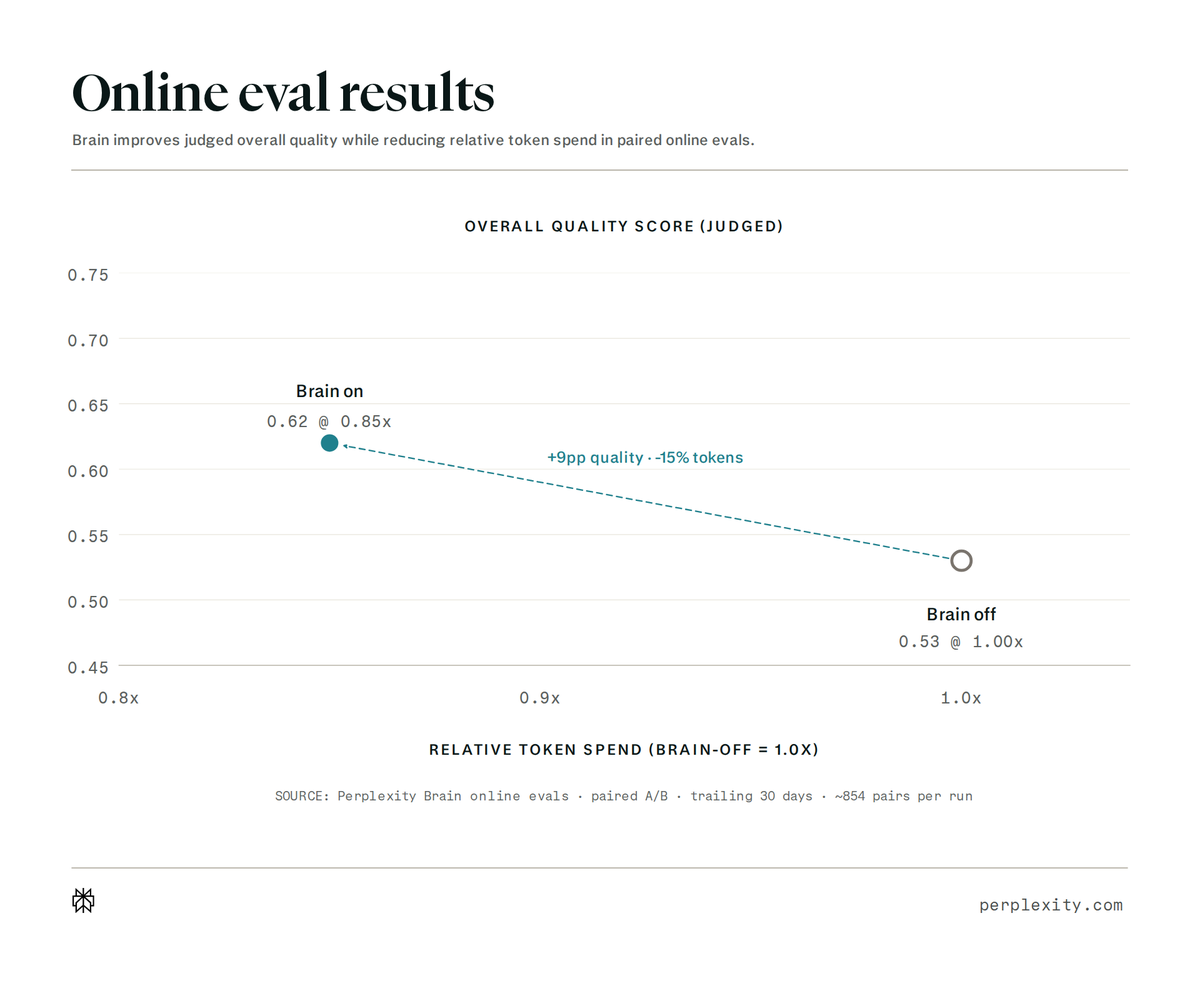
This matters because memory that rewrites itself in the background can also learn the wrong thing, and a wrong conclusion about a user then shapes every later answer. With a history, a developer can trace a questionable to the material that produced it and see what it replaced, then adjust dreaming through Honcho's custom instructions. The announcement describes inspection and on-demand runs, not a way to roll back a dream's changes. Plastic Labs also says it sees major internal gains in memory quality from dreaming, but the post gives no numbers, so that benefit remains the company's claim.


Checking sign-in…
Loading comments…