← All IntelClip / Other
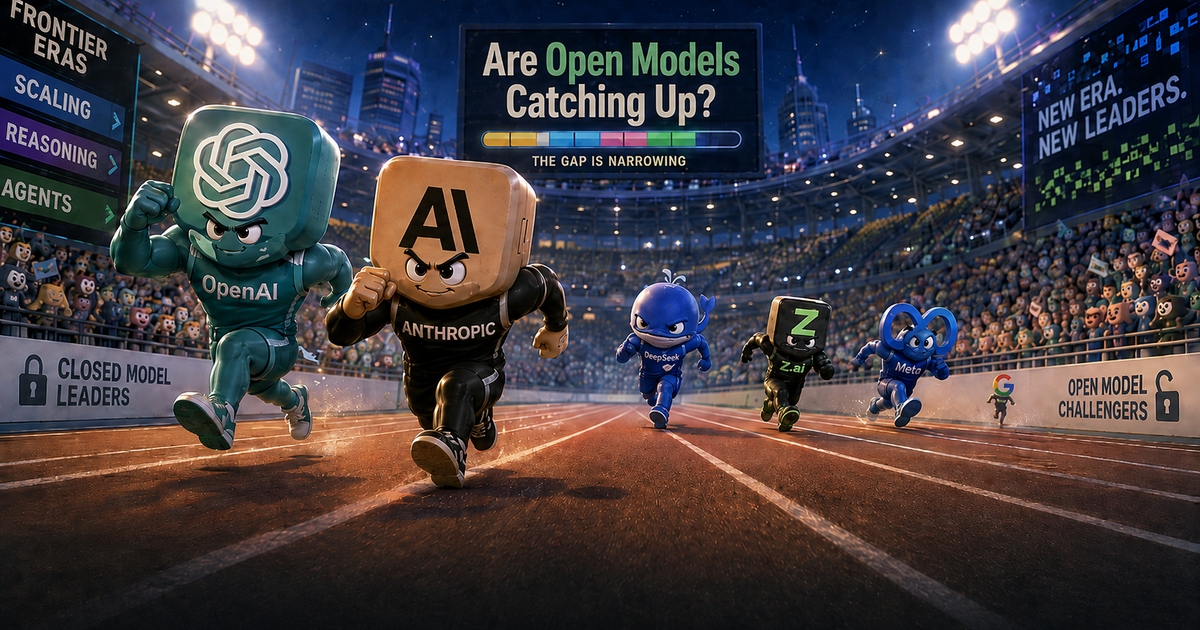
Open models will close the gap and spawn a wave of agent startups
From Local Models: Trust, Control, Optimization — Carter Abdallah, NVIDIA · ≈33:15
“I think we'll like in in 12 months I think it's pretty likely that we'll have like better than fable metals level capabilities and open models.”
“maybe 0.000001% have ever used an open model”
“open models will, you know, will will be put under the microscope um in the context of untrustworthy, unsafe.”
What’s in it
- Predicts open models will hit near-Opus/GPT-5.6 capability within 12 months
- Argues each capability jump (like Opus, GLM 5.2) spawns new startup waves
- Frames 'sovereign intelligence'—locally-run AI—as the year's key political battle
Clip transcript
can look forward to by by this time next year? >> I think one key aspect obviously that people are closely tracking is like sort of like the just like capabilities of open frontier models and I think they'll they'll keep being very close to the general frontier potentially even like what like what like now the the speed or like the of those close frontier models like slowing down. I think like they'll they'll catch up even more and I think the the most concrete thing that I think will be very exciting is like seeing the world move from sort of chatbots and now coding agents to like just general knowledge worker agents. I think over the 12 the next 12 months right like to see more and more of like kind of like everyone across every knowledge worker domain like adopt agents in their workflows which I think like developers have with coding agents have probably done better than any other domain in the world, but I think we'll we'll see over the next 12 months like a lot of like domain specific like knowledge worker agents, but then also I think domains like computer use agents and I think others will take off. Like I think in a similar way that like coding agents have taken off. I think we'll just see almost like in some ways you could say like almost like the general intelligence for like the knowledge worker in digital domain before then hopefully maybe moving on to the physical and I think very concretely like I think we'll like in in 12 months I think it's pretty likely that we'll have like better than fable metals level capabilities and open models. And I think this is like a huge opportunity uh to ultimately enable a huge crop of new like AI startups and companies. So, there's some ways like you want to almost like write the the levels of capabilities. Like to some extent like cursor really only took off when like Opus was good enough to do coding, right? So, it's like this is when like cursor inflected. And I think we'll see like hundreds of these inflections for like startups getting started like now, like in over the next year or two. Um once like open model and and I think we've seen this literally a month ago with like GM 5.2. I think like uh it was I think legitimately one of those moments when people were like, "Okay, this is now like similar to the Opus inflection point. Feels like an inflection point for open models to be like extremely strong and ultimately enable a ton of new businesses. And I think this will only continue like >> Uh not so bold prediction is that uh Primin Electin RC are going to have a combined valuation of a trillion dollars. Uh that's all obvious. Uh but but but I think that this is going to be a huge year for um uh this is probably going to be the most consequential year for like the future of how AI gets distributed. Um the the the Fable uh and GPT 5.6 um you know, uh uh uh embargo, if you will, um has left a lot of open questions, uh you know, no pun intended about open models and and where um how this intelligence gets distributed. And at what capability level it starts to be uh politicized and and and kept back. And so, sovereign intelligence is going to be very important. I I think that um if you were to take, you know, the general population of AI um users, people that are using it every day. So, you know, upwards of uh a billion to two billion people if you, you know, include ChatGPT and Google and whatnot. Uh maybe 0.000001% have ever used an open model, You know, I think it it or you know, run it on themselves with with the multitude of different tools. Um and I would hope that with the work that we're doing and the community's doing and the way that we're advocating um for open science and open models and open discussion, right? That's probably been the most frustrating thing about the last couple weeks is that all of these conversations around capabilities and who gets to use them and who doesn't have been happening behind closed doors. Uh my hope a-a-a-a-and I hope that I can predict that we will be able to have a a 10% to 15% of people that have ever used AI have used a model locally on their system and that that becomes a very important part uh of ensuring that you have access to what you need. Um and and so it's a prediction. Uh it's also something that I know all of us uh up here and and you out there are going to try to fulfill and I hope that uh we can continue to advocate for that because if we're if we're quiet, if we just let this uh things play out the way they are, uh open models will, you know, will will be put under the microscope um in the context of untrustworthy, unsafe. Uh and as much as there's work and and um vitriol and weaponized terms being out there uh advocating for that, we need to be uh combating uh as much of that if not more uh with the reasons that it deserves to exist.
Recommended reads
Comments
Checking sign-in…
Loading comments…