I rebuilt evilgrade to test where a leaked CA still works
- Source
- faradaysec.com
- Author
- famato
- Date
Context
When your computer downloads software over an encrypted connection, it decides whether to trust the other end by checking a chain of certificates back to a root certificate authority it already keeps in a local list. In October 2026, two intermediate authorities operated by the Indian provider eMudhra were found with recoverable private keys, and one of them chained up to AAA Certificate Services, a root that has sat in trust stores for years. Argentine security firm Faraday Security took that as a scoping question rather than a scare: on which machines, doing which ordinary thing, would a certificate from that leaked authority still be accepted? Their research log is unusually careful about the answer, and says an earlier draft of the post overstated it. The exposure required an attacker already positioned on the network path or controlling DNS, a machine whose certificate list still carried that root and had not applied the eMudhra distrust, and a download channel with no integrity check beneath the encrypted connection. They describe the result as narrow, and most of the macOS part of it was closed before they published on 15 November.
The useful finding is the line they drew. A package channel can verify the artifact itself against a signature that has nothing to do with the connection it arrived over, and where that second signature exists, a certificate problem does not get you code execution. Faraday puts apt, yum and dnf (signed with GPG by default), Go modules (checked against the checksum database) and signed Terraform providers (GPG plus a lockfile) on that side. On the other side are the channels that make one trust decision and have nothing behind it: piping a downloaded script straight into a shell, which they call trust in the connection by design, and package installs where a signature is absent or off by default. They note PyPI dropped PGP signatures for source distributions in 2023, which leaves integrity resting on the connection. They also deleted a module they had written for Homebrew once they found Homebrew's own certificate bundle had already removed the root in question, on the grounds that shipping it would imply an exposure that did not exist.
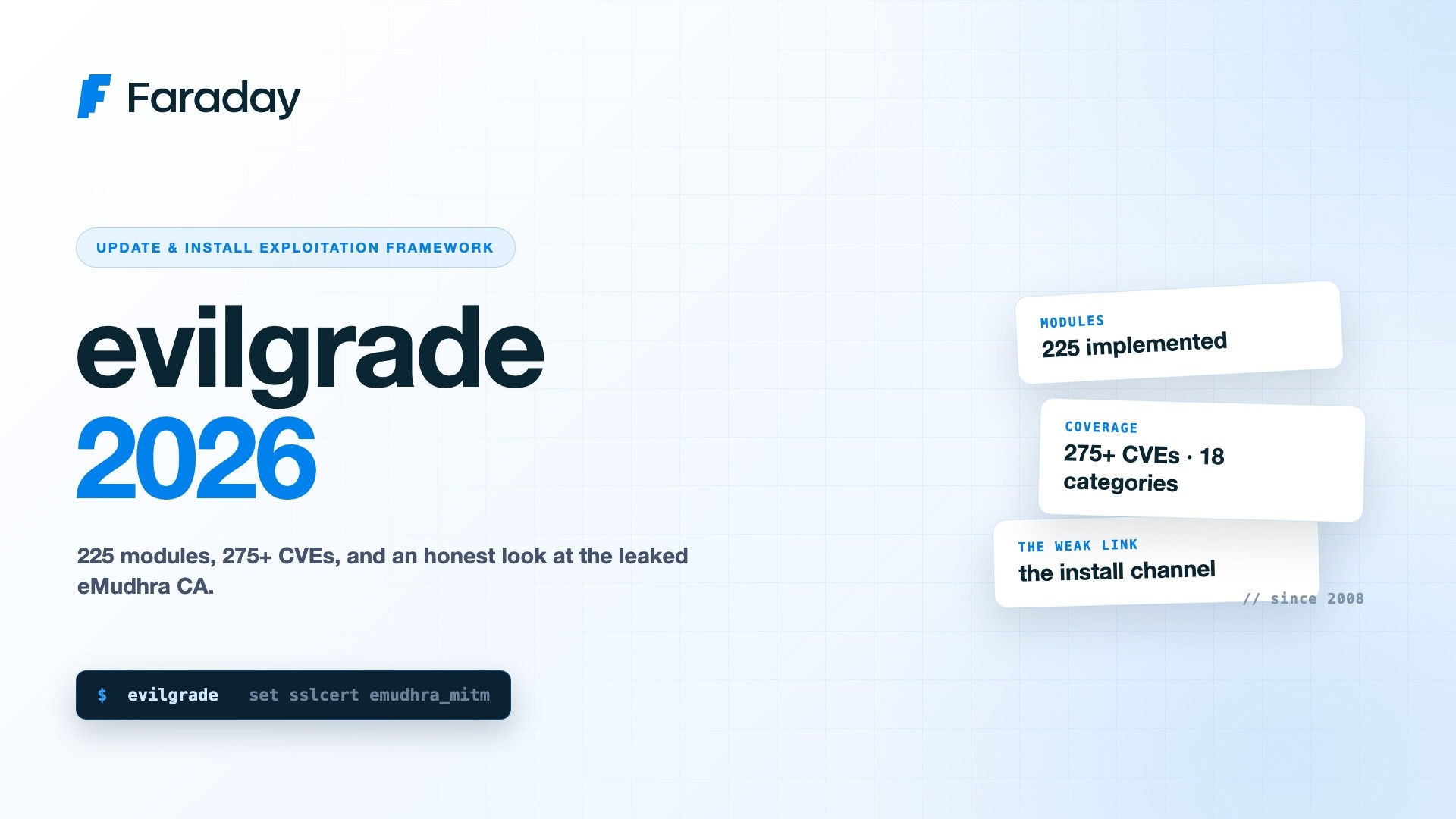
The macOS timeline shows why patch state mattered more than the leak itself. The intermediates were revoked on 18 October, and Apple blocked them the next day for Safari, Mail and anything using its security frameworks, so browsers were protected without an operating-system update. The 26 October release of macOS 27.2 did not close the command-line path, and reverted manual edits some administrators had made to the system certificate file. The 9 November updates, macOS 27.2.1 along with 26.7.3 and 15.8.3, did close it, and removed five roots including AAA Certificate Services from that file. What Apple's own advisory leaves open, and Faraday repeats, is the category that no operating-system patch reaches: tools that carry their own list of roots, which in practice means Python installations with an older certifi bundle, plus unpatched machines and Linux systems whose distribution bundle still ships the root. Their hardening advice follows from the line they drew rather than from the incident: refresh or pin the certificate bundles your tools carry, use hash-pinned lockfiles, and prefer channels that carry a second signature, because those are the ones that did not depend on this at all. The post also announces a 2026 rebuild of evilgrade, the Perl tool Francisco Amato released in 2008 to demonstrate update channels that trusted whoever answered, now at 225 modules covering more than 275 documented CVEs from 2018 to 2026 across 18 categories; the engineering exists to make the scoping above reproducible under authorization, and the authors restrict it to permitted testing, bug bounty, research and disclosure.
Checking sign-in…
Loading comments…