Will financing bottleneck AI compute? An Anthropic case study
Source
epochai.substack.com
Author
Campbell Hutcheson
Date
Why it matters
Frontier compute growth depends on capital markets. Evidence that lenders back future AI revenue shapes expectations for model capability and capacity.
Key takeaways · AI-distilled
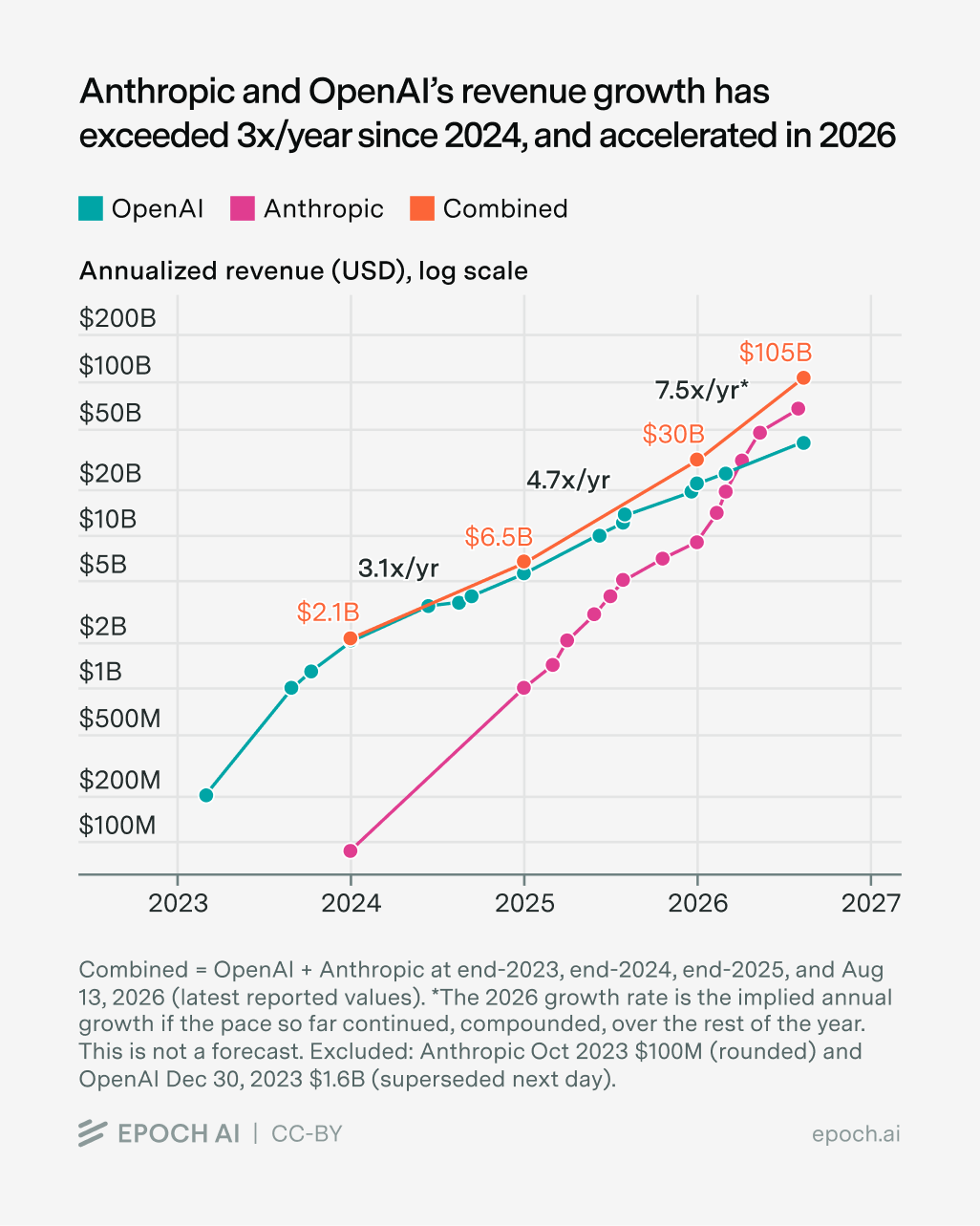
Anthropic announced $50B of US compute investment in November 2025 with under $9B annualized revenue; Epoch traces nearly $50B of debt behind it, much arranged in early 2026 before revenue spiked, as a test of lending against future AI revenue.
Investors led by Apollo-managed funds committed $34.5B to buy over 1 GW of Google TPU systems, held in an SPV that leases them to Anthropic for five years, with capital released in about 16 stages so funded debt tracks the racks available as collateral.
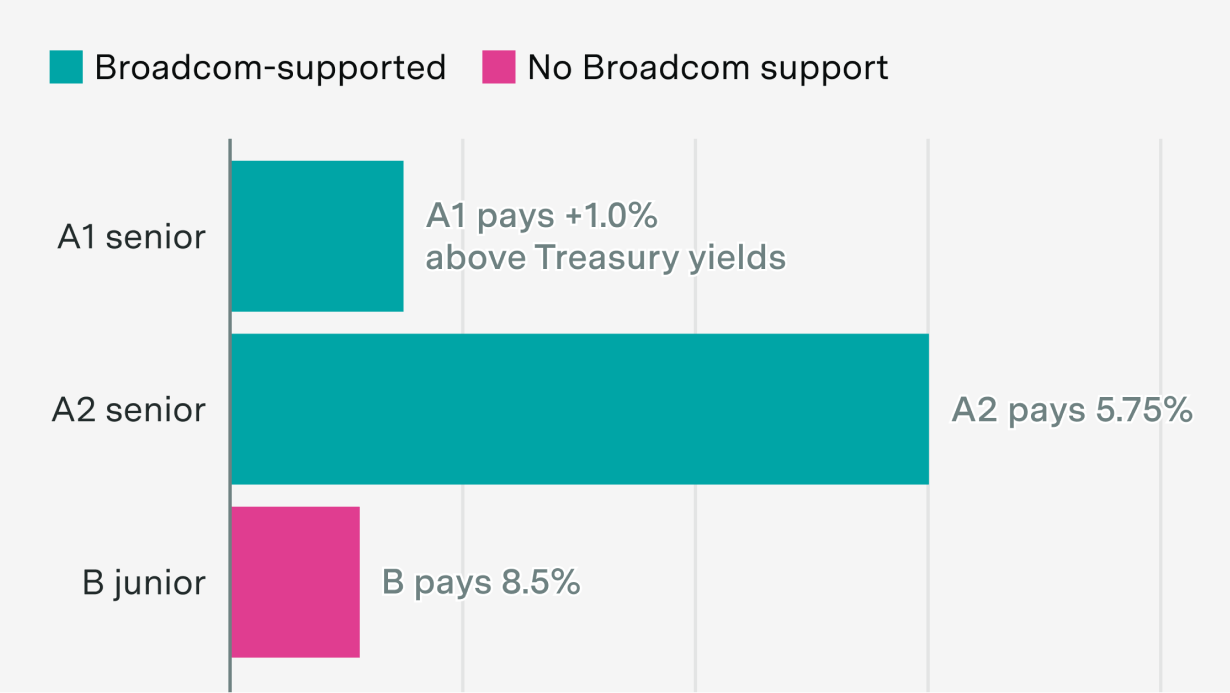
Broadcom backstops the $6B A1 and $24B A2 senior tranches, up to a reported $29B, but not the $4.5B junior B tranche; B pays 8.5% versus 5.75% for A2, a gap Epoch treats as an upper bound on the backstop's value.
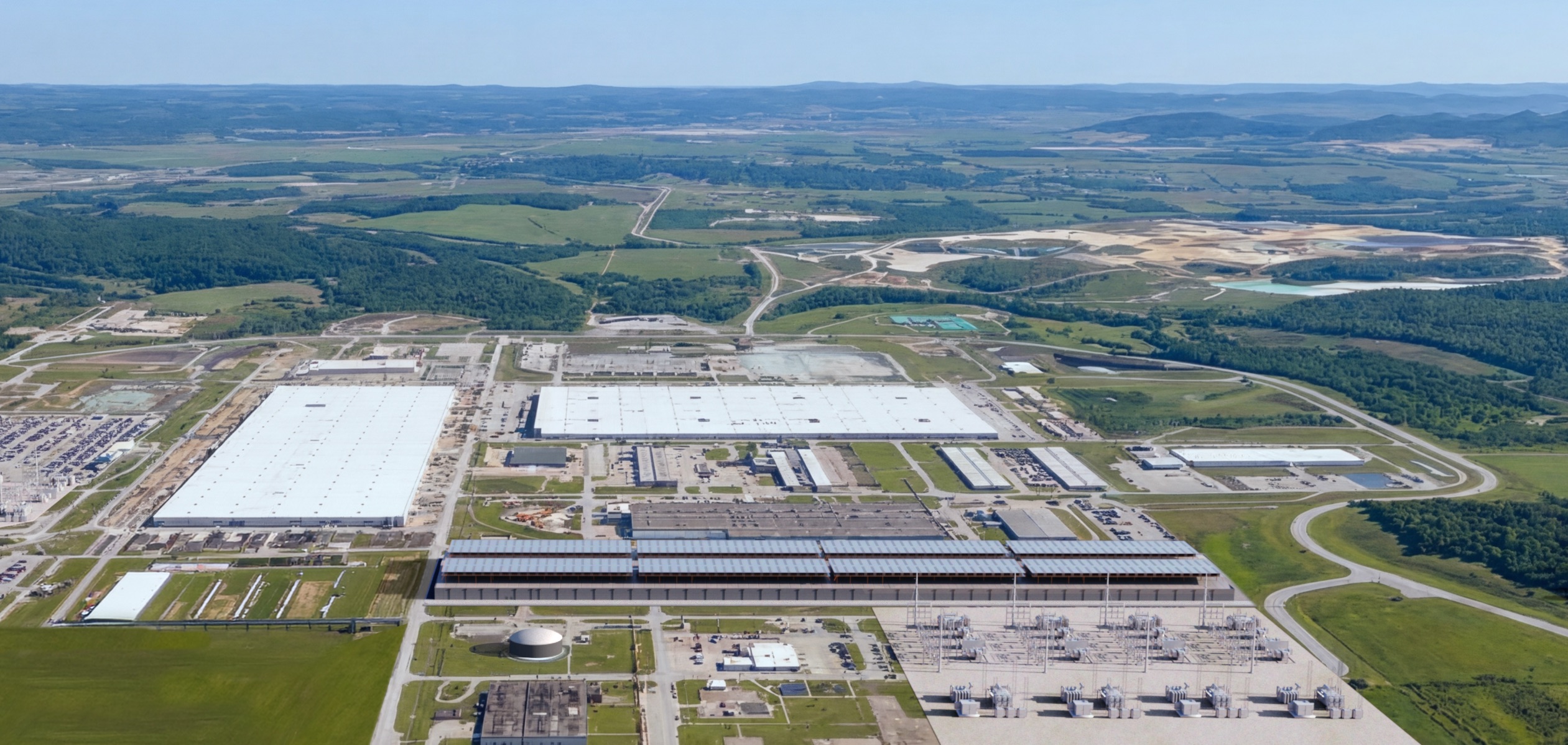
On the datacenter side, project companies issued about $15.2B of debt for 1.43 GW across five sites leased by Fluidstack, with Google partly covering losses if Fluidstack stops paying rent; Lake Mariner's $3.2B pays 7.75%, suggesting lenders still price risk.
The author concludes financing is unlikely to be the near-term binding constraint on frontier compute, noting Broadcom, Apollo and Blackstone pitch the deal as the first in a platform for over 20 GW of lab deployments through 2028.