Claude MCP connectors gain identity-provider-managed auth
- Source
- x.com
- Date

Enterprise-managed auth for MCP connectors is now generally available. For Claude Team and Enterprise admins, authorization is centralized through your identity provider. For users, tools and data are connected automatically, without the need for individual OAuth.

Context
Enterprise-managed auth lets a Claude Team or Enterprise organization hand its employees access to connectors, Claude's links to outside tools such as Slack, Linear or Notion, through the company's existing identity provider. Normally each user approves each connector on its own OAuth consent screen. With this feature an admin authorizes a connector once and members get it on first login. Anthropic's developer account announced general availability on August 24, two months after a June beta described in Anthropic's announcement post.
The developer documentation explains the exchange behind the missing sign-in. The user is already signed in to Claude through company single sign-on. When they invoke a connector, Claude gets a signed token from the identity provider vouching for who they are and sends it straight to the connector's , the service that issues the connector's access tokens. That server checks the signature against the identity provider's published keys, confirms the issuer is on its for that customer, checks audience, expiry and subject, and returns an access token. Nothing appears in the browser. When the token expires, Claude uses a refresh token from the identity provider to obtain a fresh assertion, so the connection lasts as long as the identity provider keeps that refresh token valid.
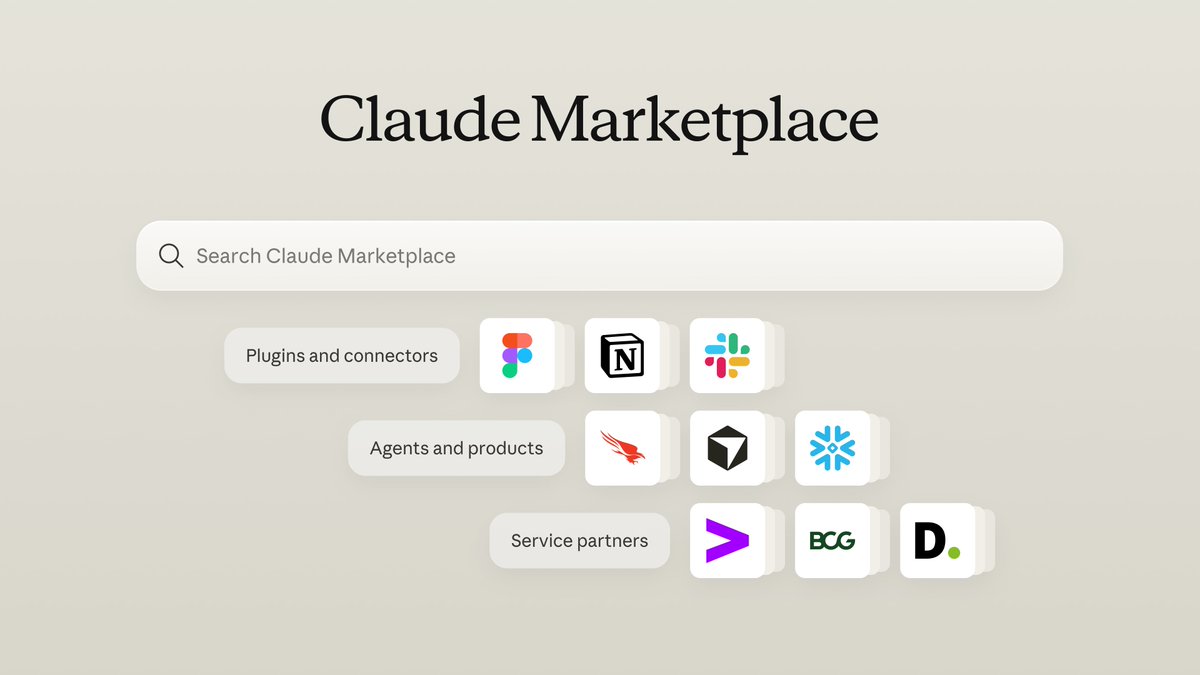
The reach is narrower than the phrase "connected automatically" suggests. Anthropic's admin help article names Okta as the only supported identity provider, with others promised, and the announcement post lists ten connectors at general availability, among them Slack, Notion, Linear, Figma and Atlassian. Every other connector needs its maker to add the JWT bearer grant (a standard way to swap a signed token for an access token) to its authorization server and advertise it, and Claude has to be registered with that server in advance, because clients created on the fly through dynamic registration are not supported. Admins choose which roles receive a connector and which scopes Claude may request, and removing someone in the identity provider removes their connector access. The help article states that access decisions and data reach are governed by the identity provider and the connected service rather than by Anthropic. The launch video was not reviewed; these details come from the documentation pages as they read now.
- Model Context Protocol (MCP) — A published agreement for an AI application to discover what a separate program offers and ask it to run one of those offerings.
- Authorization — The check that an authenticated identity is permitted to perform a particular operation on a particular resource.
- Server — Software that receives requests, processes them and returns responses; the computer running it is its host.
- tool permissions — The rules governing which tools an agent may call and which need confirmation — the boundary between a mistake and an incident.

Checking sign-in…
Loading comments…