Decisions API is in public beta
- Source
- developers.openai.com
- Author
- chiefstorm
- Date
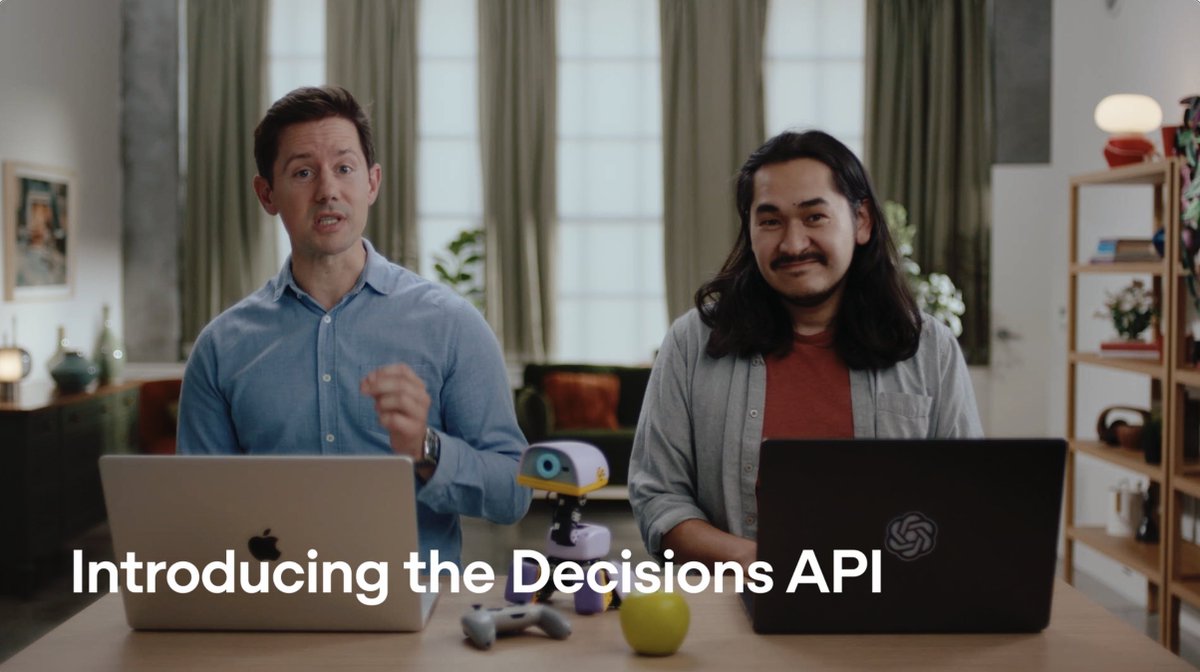
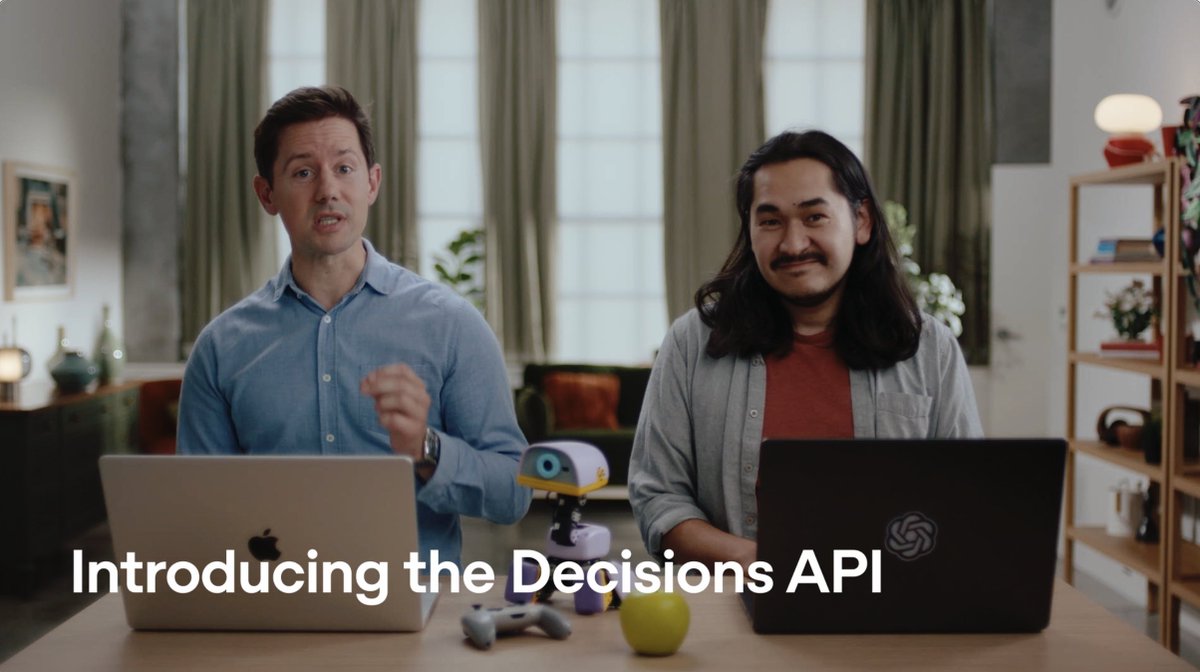
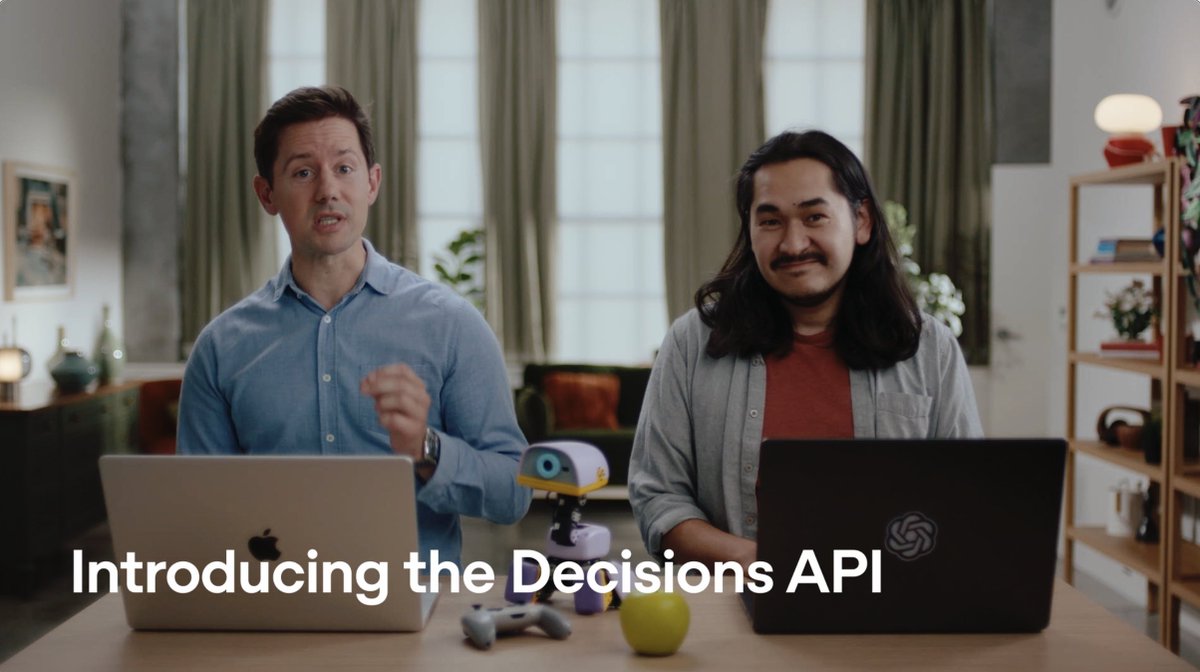
Most agent pipelines spend full generation calls on small judgments: which model to call, which tool fits, whether an output passes a rubric. OpenAI's Decisions API, now in public beta for all developers, gives those steps their own endpoint. Developers define a question and a fixed set of answers, and GPT-6 Luna returns a predicate, a choice with a confidence value, or a numeric score. Inputs can be text or images, and OpenAI's walkthrough shows lead routing, image judging and voice or robot control. The company claims responses up to 10x faster than asking GPT-6 Luna through the Responses API. Simon Willison's LLM plugin for the API lists input pricing at 10 cents per million tokens with output free. Vercel's AI Gateway, separately, now escalates a decision to a stronger fallback model when the first answer trips a confidence threshold, billing both stages. The speed figure is OpenAI's own, so time it against your existing classifier prompts before migrating routing logic.
Context
The Decisions from OpenAI returns structured answers to classification-style questions about text or images instead of free-form text. According to OpenAI's documentation, a request to the POST /v1/decisions endpoint carries shared evidence plus named questions of three types. A predicate question returns a probability from 0 to 1 that a condition holds, such as visible damage in a photo. A choice question picks from supplied options and reports a probability for each plus a confidence value. A score question rates the input against ordered levels and returns a probability-weighted average of the level indices, so it can land between levels.
The page says the endpoint is in public beta, supports only gpt-6-luna at 0.10 dollars per million input , and answers about ten times faster than the Responses API. Those are OpenAI's claims. Dependent questions need separate requests, and images must be inline base64 data URLs.
- API — Application programming interface: the agreed set of operations, inputs and outputs through which one piece of software uses another.
- Token — A piece of text, such as a word, part of a word or a punctuation mark, that a language model represents as numbers and handles as a unit.
- Agent — A system in which a model repeatedly chooses operations, a harness carries them out, and the results return to the model to inform its next choice.
Checking sign-in…
Loading comments…