Diana Hu is a managing partner at Y Combinator and co-founder and former CTO of Escher Reality. Her engineering background spans computer vision, cloud television and augmented-reality infrastructure.[1]
Start with Diana Hu on Augmented Reality and Building a Startup in a New Market →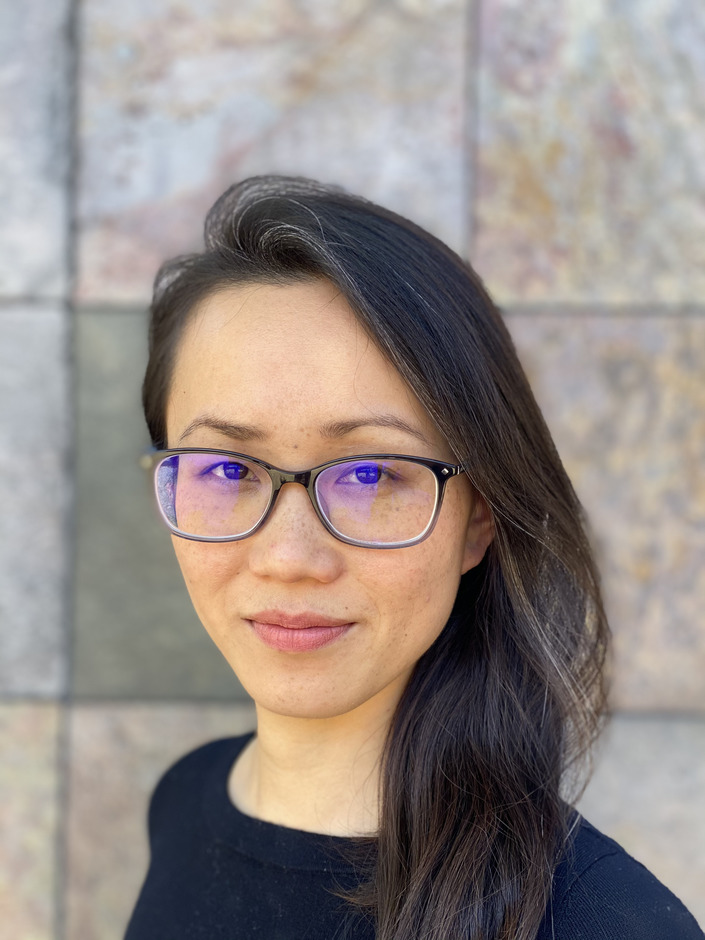
 X
Career
Hu co-founded Escher Reality, which joined YC’s Summer 2017 batch and was acquired by Niantic. She subsequently led Niantic’s AR platform. Before Escher, she led data science at OnCue TV, which was sold to Verizon. YC’s biography says her Carnegie Mellon studies focused on computer vision and machine learning. These roles connect her work as a founder and investor to the engineering needed to turn a technical demonstration into a product.[1]
Ideas
Why AR is an infrastructure problem
In her YC interview, Hu explains augmented reality as a combination of computer vision, graphics, real-time systems and hardware. Recognizing a scene is only one part: the system also has to render digital objects convincingly and coordinate an experience quickly enough that it feels attached to the physical world. She describes how her earlier work on television recommendation and visual analysis, along with exposure to semiconductors at Intel, fed into that perspective.[2]
Choosing a market before it is established
The same interview follows the founder’s decisions around product direction, raising money in a new market and working after an acquisition. It is useful background for understanding her advice to technical founders: the conversation treats commercial uncertainty as part of the engineering journey, rather than assuming that an impressive new capability already defines a viable product.[2]
Tools, writing & talks
Writing, research & talks
Start here
A YC interview with a full transcript about AR engineering, product direction, fundraising and life after an acquisition.
Start with the AR interview and its timestamped transcript. No AR background is required; the early discussion explains the technical pieces before moving to the founder’s product and financing decisions.
Interview subject[2]Claude Code creator Boris Cherny at Startup School on how the tool came to be, what cutting 80% of its prompt did, and what building products means when the underlying model capabilities keep accelerating.
Catalog workOriginal source- State-Of-The-Art Prompting For AI Agentsyoutube.com
A Lightcone episode listed on Hu’s official YC page, discussing prompting and AI agents.
YC podcast participant[1]Original source