Rohit Prasad became CEO of Boston Dynamics in October 2026 after leading Alexa science and Amazon’s artificial general intelligence organization. His work connects conversational AI research with deployed products.[1][2][3]
Start with Ambient intelligence and general AI →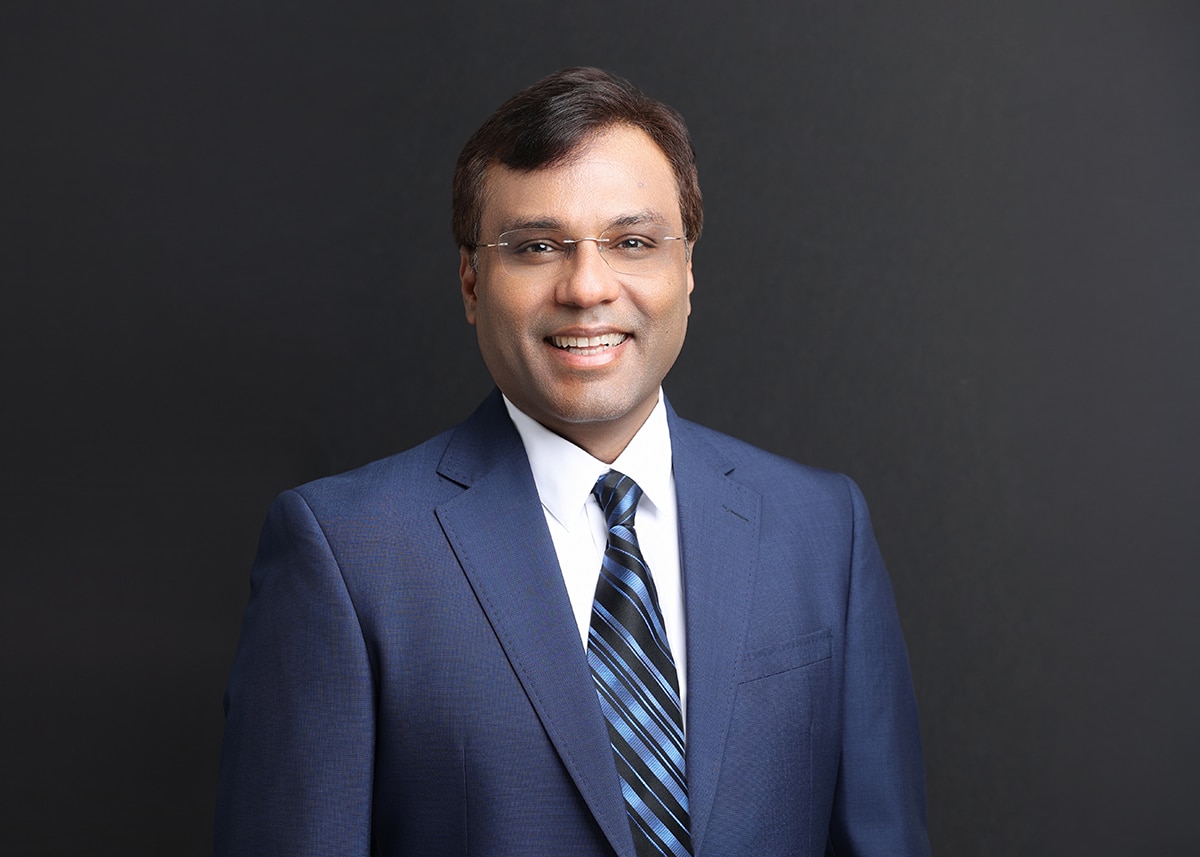
Education

Links
Boston Dynamics appointment Circana biographyCEO · Boston Dynamics
Board member · Circana
Trustee · Illinois Institute of Technology
Background
Prasad earned a master’s degree in electrical engineering at Illinois Institute of Technology in 1999. The university describes his interest in human interaction with technology and a faculty member’s work on speech compression and coding. Before joining Amazon in 2013, he spent fourteen years at BBN, eventually serving as deputy manager and senior director of its Speech, Language and Multimedia business unit. Circana’s biography credits that period with work on automated directory assistance, routing customer-service calls and translation between spoken languages.[3][4]
Career
From Alexa to foundation models
Amazon recruited Prasad in 2013 to lead machine-learning work spanning speech recognition and natural-language understanding. He later led Alexa science and the company’s AGI organization. In its December 2025 leadership announcement, Amazon credited him with helping develop Alexa and leading the creation of the Amazon Nova model family, then announced his departure at the end of that year. These were large team efforts under his leadership.[2][4][6]
A new role in robotics
Boston Dynamics appointed Prasad CEO effective October 7, 2026. The company says his remit is to combine advanced AI with its robotics work and commercialize intelligent machines for industrial and other real-world settings. This connects his experience bringing AI research into products with robots that must act in physical environments. The appointment announcement says board membership is expected subject to approval, so the confirmed role is CEO. He also serves on Circana’s board and Illinois Tech’s board of trustees.[1][3][4]
Contributions
Prasad coauthored the 2018 paper on the science behind the Alexa Prize. The competition asked university teams to build socialbots that could sustain coherent, engaging conversations across everyday topics. Its research setting went beyond a fixed question-and-answer test: teams used live interactions, user ratings and annotations to improve their systems. The paper describes supporting work in speech recognition, topic tracking, dialogue evaluation and voice interaction. It offers a practical account of why a conversational system needs several components to work together.[5]
Ideas
In his 2021 essay on ambient intelligence, Prasad describes an environment that can respond to requests and anticipate needs, then recede when assistance is unnecessary. He argues that the everyday demands placed on Alexa offer a route toward more general AI. This is his research and product thesis, rather than a claim that Alexa already has human-level general intelligence. It emphasizes the importance of context, useful action and the way a system fits into ordinary life.[6]
Tools, writing & talks
Writing, research & talks
Start here
Ambient intelligence and general AIamazon.sciencePrasad’s accessible explanation of AI that uses environmental context to provide assistance. Start here for the ideas connecting his conversational-AI work to systems that participate in the physical world.
An accessible statement of the ideas behind context-aware assistance before moving to the technical Alexa Prize paper.
Author[6]A coauthored technical account of the Alexa Prize and its live-user research infrastructure. It explains why open conversation requires speech recognition, context tracking, response generation and evaluation together.
Coauthor[5]- Alexa: The science must go onamazon.science
A bylined account of Alexa research during the pandemic, useful as a historical view of Prasad’s scientific leadership and the team’s conversational-AI priorities.
Author[7]