GPT-5
- Source
- oneusefulthing.org
- Author
- Ethan Mollick
- Date
Context
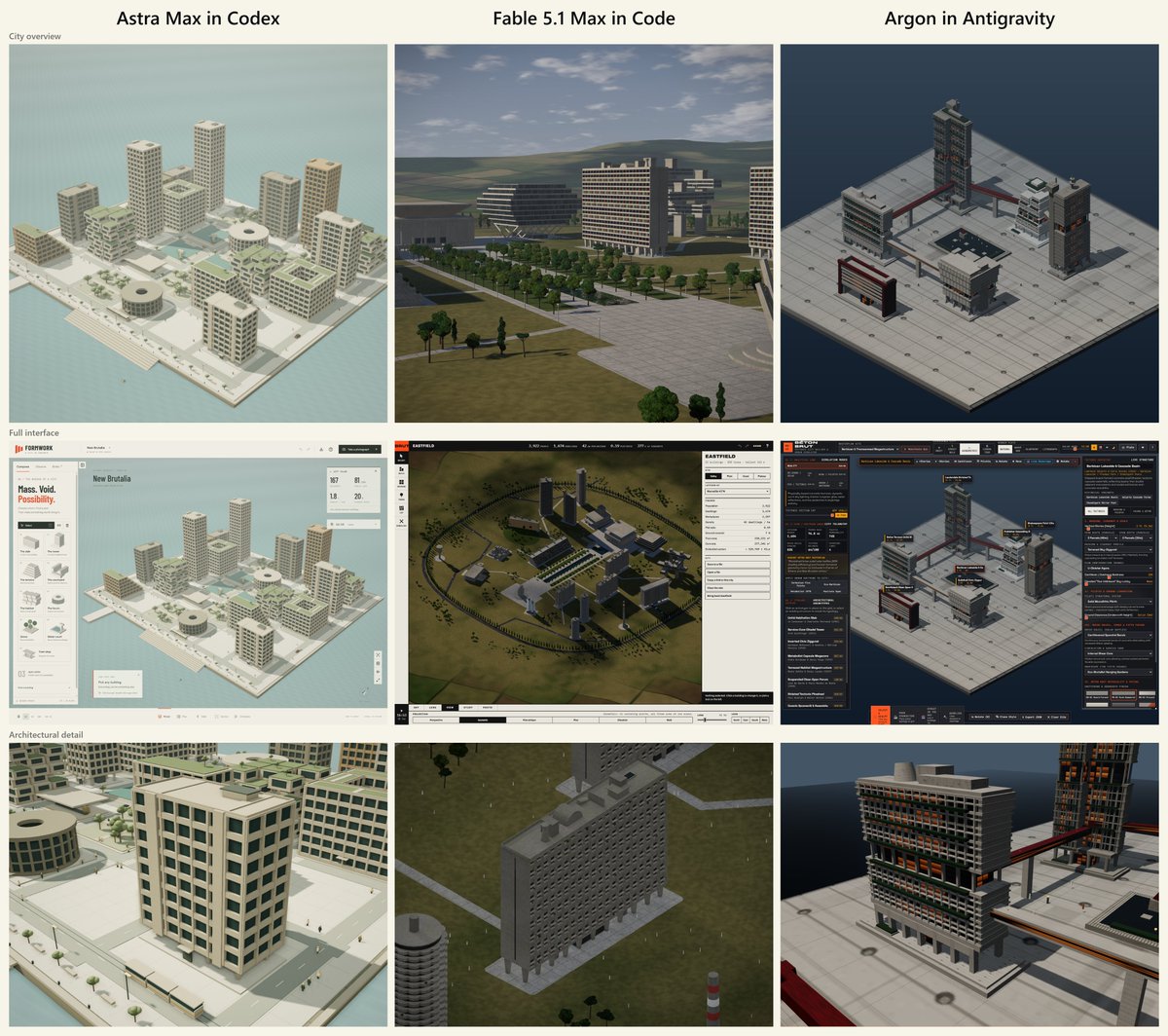
Ethan Mollick found that GPT-5, from OpenAI, could help decide what to build as well as build it. In his early-access experiment, a vague request produced a city-building app. Repeated encouragement prompted the model to add features he had never specified, including moving cars and dramatic camera angles. These were observations from his own use. His account describes both the working result and occasional bugs.
That initiative changes the user's role: specifying every feature becomes less necessary, while deciding which additions belong becomes more important. Mollick still supplied error messages and made choices. His experience illustrates delegation that reaches into product decisions, with human judgment still shaping the result.
- The router is inconsistent on identical prompts. Asked to draw an otter as an SVG, GPT-5 took the fast weak path about two-thirds of the time and a reasoner the rest, with visibly better output when it thought. Adding 'think hard' raises the odds.
- Paying users can bypass the selector and pick GPT-5 Thinking directly, which matters because the router is the difference between an instant answer and 30 seconds of reasoning on the exact same request.
- Proactivity is the real behavior change. One prompt asking for startup ideas came back with landing page drafts, LinkedIn copy, simple financials, PDFs, and spreadsheets nobody requested. The model decides what else the task implies.
- The intro paragraph GPT-5 wrote is a working demo of plan-then-execute: first letters spell 'This is a Big Deal', each sentence is exactly one word longer than the last, and words within a sentence share an initial, while staying readable.
“GPT-5 just does stuff, often extraordinary stuff, sometimes weird stuff, sometimes very AI stuff, on its own.”
“GPT-5 is not one model as much as it is a switch that selects among multiple GPT-5 models of various sizes and abilities.”
“I used to prompt AI carefully to get what I asked for. Now I can just... gesture vaguely at what I want. And somehow, that works.”
“The difference, this time, is that GPT-5 might figure it out first and suggest next steps.”


Checking sign-in…
Loading comments…