Ember-1
- Source
- fireworks.ai
- Author
- gmays
- Date
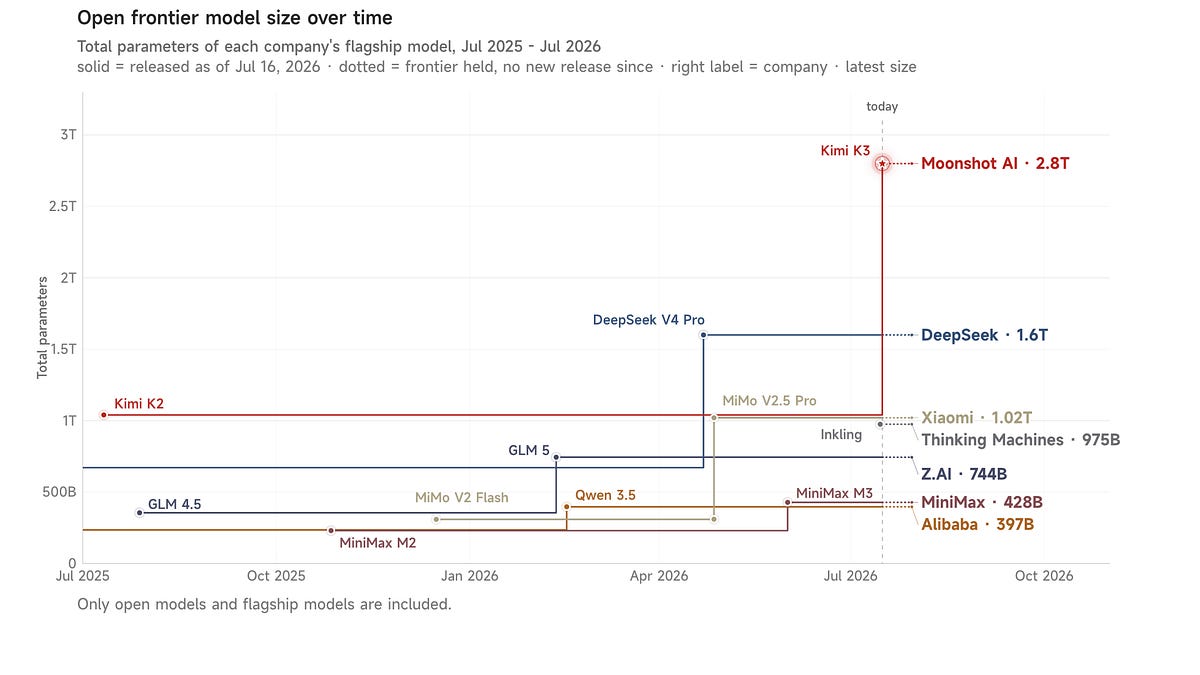
Fireworks Research says Ember-1 was trained to reason efficiently rather than simply prompted or capped at a low effort setting. The distinction matters because the team reports that capping the thinking budget on the base model previously hurt quality. Fireworks says it validated the roughly 40% reduction in reasoning tokens across benchmarks, live customer A/B tests and its own internal coding workloads. Vercel has already listed the model on AI Gateway, describing it as a reasoning model for coding agents with a 1M-token context window and about 40% fewer output tokens than Kimi K3. Agent loops pay for output tokens on every step, and those tokens also pile up in context, so a shorter reasoning trace compounds over a long session. These are vendor claims, so teams running Kimi K3 should rerun their own evals before switching and compare cost per completed task rather than per-token price.
Context
Fireworks trained Ember-1 to shorten the reasoning generated by its Kimi K3 base model while preserving useful problem-solving behavior. The company says simply lowering the base model's reasoning setting sacrificed too much quality, so it trained on tasks and feedback instead. Its launch report claims roughly 40% fewer generated at comparable quality across its evaluations.
The intended benefit is lower consumption during repeated coding and tool-use calls. The report includes two customer production tests, where Fireworks says token use fell by approximately 35% per task at comparable quality. These are company-reported workload results; the percentage saved on a particular deployment depends on its tasks and usage.
- token — The chunk of text a model reads and writes in — roughly three-quarters of a word — and the unit AI usage is billed in.

Checking sign-in…
Loading comments…