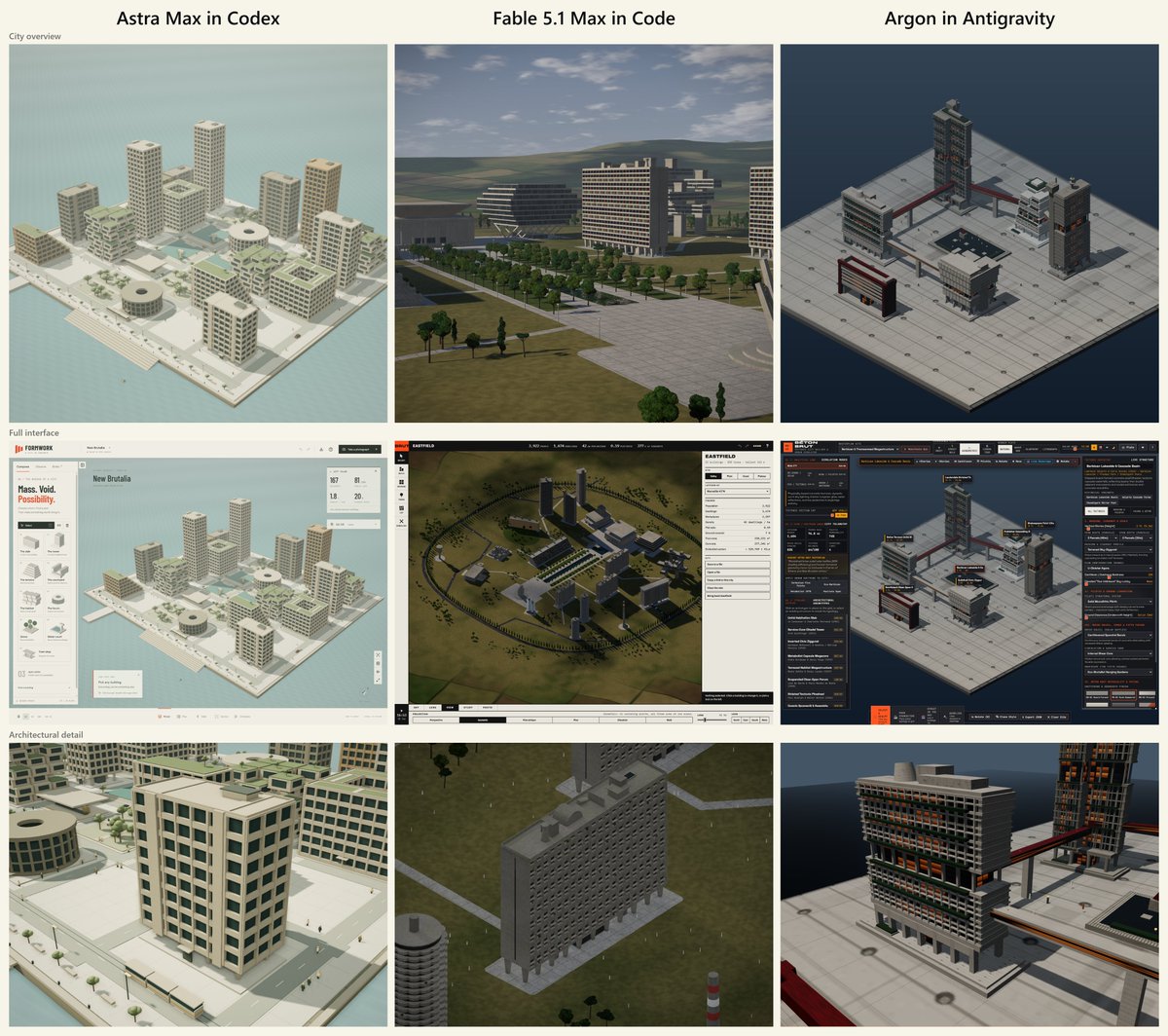
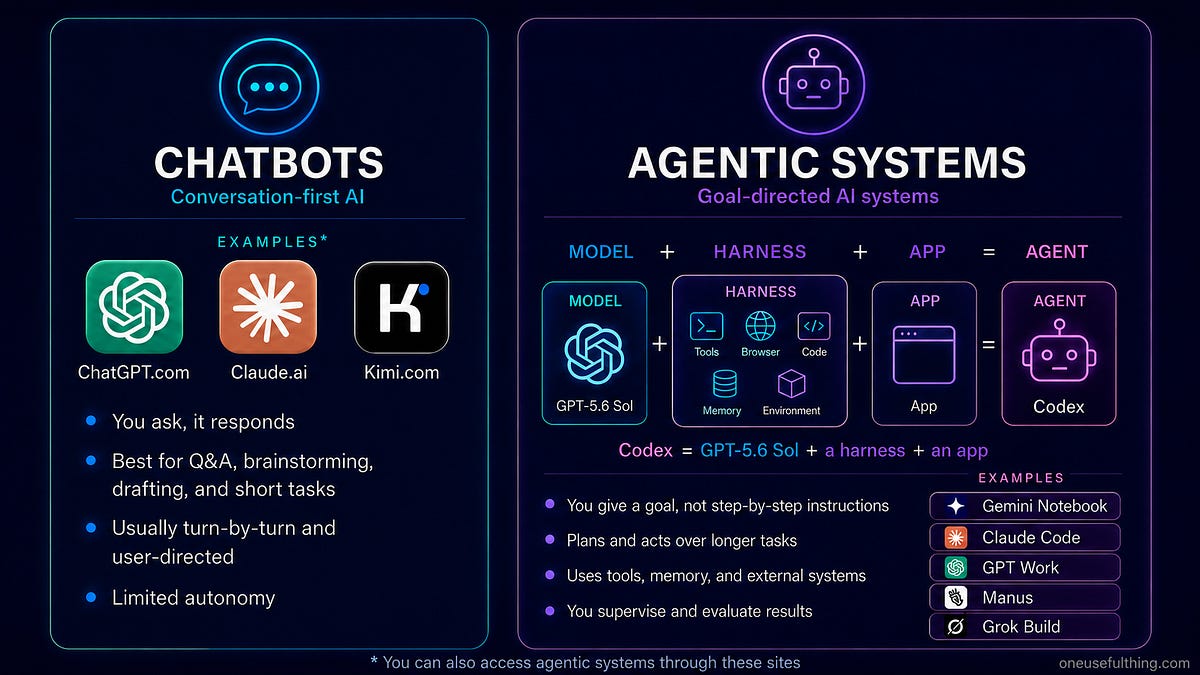
The model name alone does not describe what an AI system can do with your work. Ethan Mollick'sguide separates models, apps, and harnesses. The model generates responses; the app is the product through which you interact with it; the agent harnessThe scaffolding around a model that turns it into a working agent — the loop, the tools it can call, and the rules for when to stop.Full definition → supplies tools and instructions for taking actions. Search, file access, and code execution can therefore change the work the same model can complete. This framework makes a practical comparison possible: assess the whole setup against the intended task, including whether it can reach the necessary information and produce the required artifact.
Key takeaways · AI-distilled
The default 'GPT-5.2' in ChatGPT is not a model, it is an auto-router that often lands on a weaker one. Paying lets you pin GPT-5.2 Thinking and dial how hard it thinks — the single biggest lever on answer quality.
Free tiers are tuned for chat: fast, fun, less accurate. Most viral examples of an AI doing something stupid are people using a free or default model rather than the frontier one.
Same question, same Opus 4.6, three setups: no harness returned stale facts, claude.ai returned current answers with sources, Cowork returned a formatted head-to-head analysis. The wrapper moved quality more than the weights did.
Gemini 3 Pro is competitive as a model, yet Google's chatbot could not return a working spreadsheet or slide deck, or cite its research, where ChatGPT and Claude could. Model parity does not mean output parity.
Terms in this piece · Glossary
agent harness — The scaffolding around a model that turns it into a working agent — the loop, the tools it can call, and the rules for when to stop.
Key quotes
“Now the same model can behave very differently depending on what harness it\”