Google's Gemma 4 coordinates a plant-genetics workflow developed by Living Models. Gemma writes analysis code and calls BOTANIC-1, a model trained on plant DNA. BOTANIC-1 compares how likely an altered DNA letter is against the reference letter, given the surrounding sequence, providing a signal for ranking candidate mutations. Workflow account.
In the reported melon test, the workflow ranked an already validated flower-sex mutation first among 2,494 single-letter candidates. That checked the workflow against a known answer rather than finding a new one. Its intended application is prioritizing which mutations scientists should investigate experimentally.

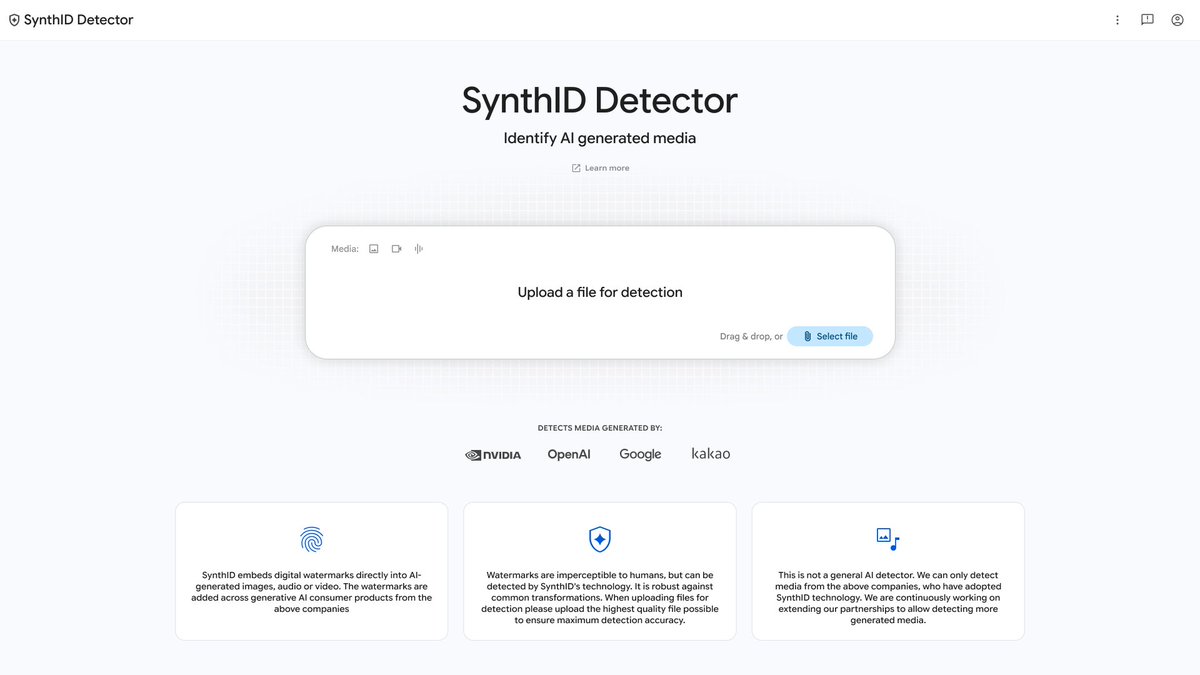 postGoogle opens SynthID watermark checks to everyone, with partner coverage
 articleGoogle's Project CC gives a family agent its own identity and sandbox