Claude Managed Agents adds dynamic multiagent workflows in public beta
- Source
- x.com
- Date
Claude Managed Agents added dynamic workflows in public beta. A lead agent writes a multi-phase plan, distributes the phases across many worker agents, and merges what comes back into one result. The feature is enabled through a multiagent type, and Anthropic says a single workflow can reach up to 1,000 agents. The evidence offered is a bug-hunting benchmark: with 70 bugs planted in a codebase, the orchestrated run found 66 per run, while a single agent found between 14 and 27. That gap is large enough to change how teams approach broad, parallelizable work such as audits, migrations and test sweeps. The cost is real, though. Anthropic notes that the approach spends more tokens, and it recommends starting with scoped tasks rather than pointing a thousand agents at an open-ended goal. The practical reading is that fan-out pays when the work splits cleanly into independent pieces and the merge step can check results, and that a single agent remains the cheaper default when it cannot.

Claude Managed Agents dynamic workflows are now available in public beta. It's a new type of multiagent orchestration, built for your most ambitious workloads. A lead agent writes a plan that runs across many agents in phases, combining the results at the end.

Context
Anthropic's developer account ClaudeDevs announced dynamic workflows for Claude Managed Agents as a public beta: a lead agent writes a plan that runs across many agents in phases and combines the results at the end. The workflow runs documentation explains what that plan is. It is a the agent writes for the work you describe. The program starts other agents, collects what each one returns and combines the results, so one agent can take on a task too large for a single conversation, such as reviewing hundreds of documents.
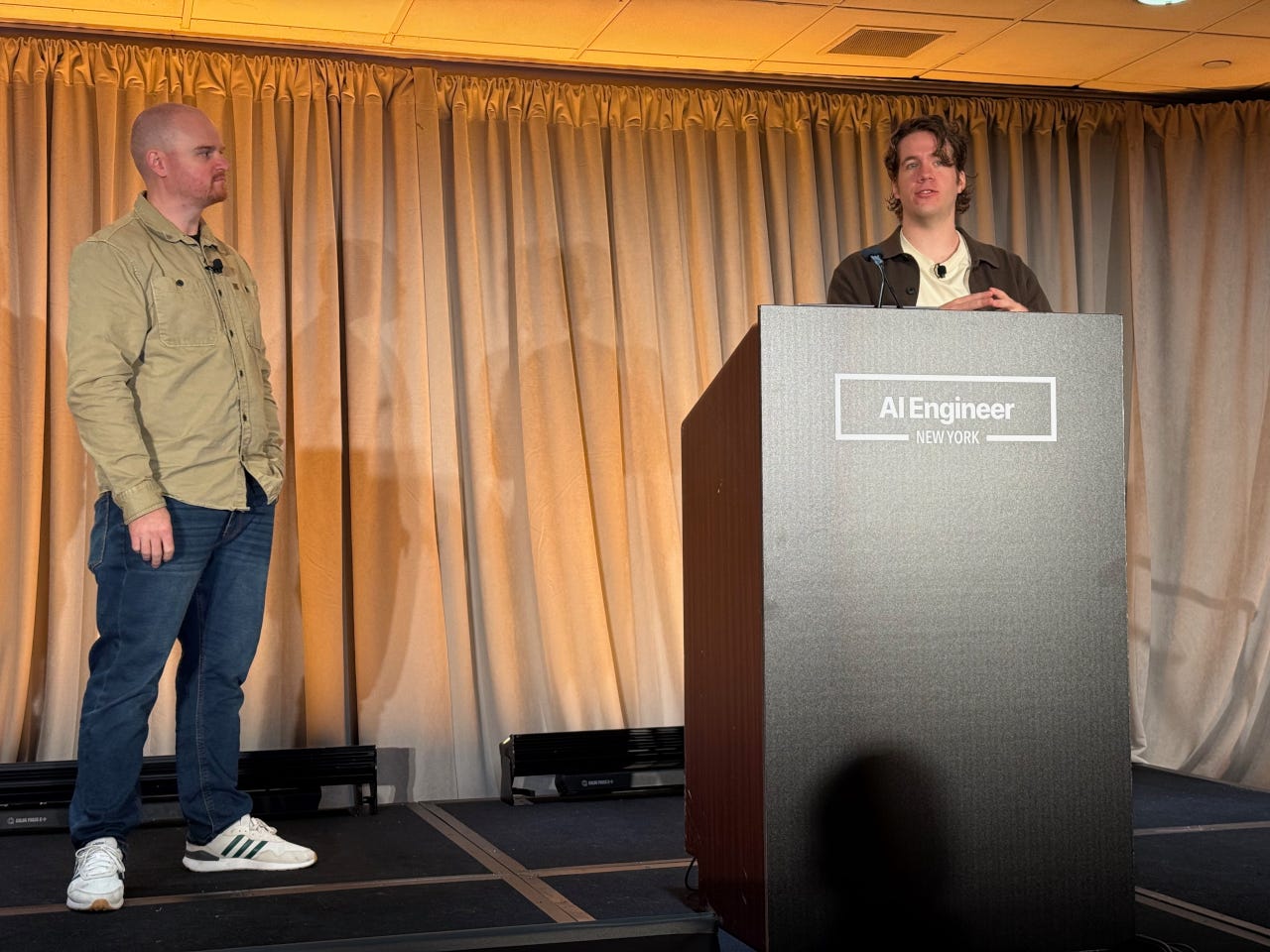
Phases are named stages, such as reading a set of contracts and then reconciling the findings. Within a phase the program can run many agents at once, pass one agent's result to another, and repeat a step until a review passes or a set number of rounds is used up. The runs the workflow in the background, and developers follow its progress through phase events on the 's event stream. According to an account of Anthropic's AI Engineer workshop, Claude itself decides how to divide the work, where developers previously had to configure a and a roster of subagents.
That autonomy has a practical consequence the announcement does not mention. The documentation says there is no approval step before a run starts: the agent launches a run in the same turn it writes the workflow. A team that wants to review the plan first has to tell the agent to describe the run and wait for approval, and can stop an unwanted run by asking the agent to stop it.
- Program — A set of instructions stored so that a computer can run it.
- Server — Software that receives requests, processes them and returns responses; the computer running it is its host.
- Session — One conversation or piece of work as a harness keeps it: a record of messages, tool calls and observations that can be saved and resumed.
- Coordinator — The person or agent who owns the seams of the map: writes assignments, receives and checks returns, resolves disagreements, and integrates the result or assigns the integration.

Checking sign-in…
Loading comments…