How Anthropic’s Dynamic Workflows Coordinate Claude Agents
- Source
- latent.space
- Author
- Richard MacManus
- Date
Context
Anthropic's dynamic workflows let Claude write a program that runs many agents in the background and combines their results. According to a workshop report, Claude Managed Agents previously required developers to configure a coordinator and a roster of subagents; with dynamic workflows, Claude decides how to divide and orchestrate the work. The Managed Agents documentation says developers choose which hand-off methods the may use, and the agent decides when to use them.
The workshop illustrated the pattern with a stock-watchlist scanner: a scan phase gave individual tickers to agents with isolated contexts, then a review phase examined their findings before a report was produced. An Anthropic presenter said flows cost "much more" than a single-agent approach in this comparison but were also much more effective at finding details. Developers can inspect what the lead agent passed to subagents in Claude Console, and can set a session budget that caps spending; the documentation says runs pause when it is reached.
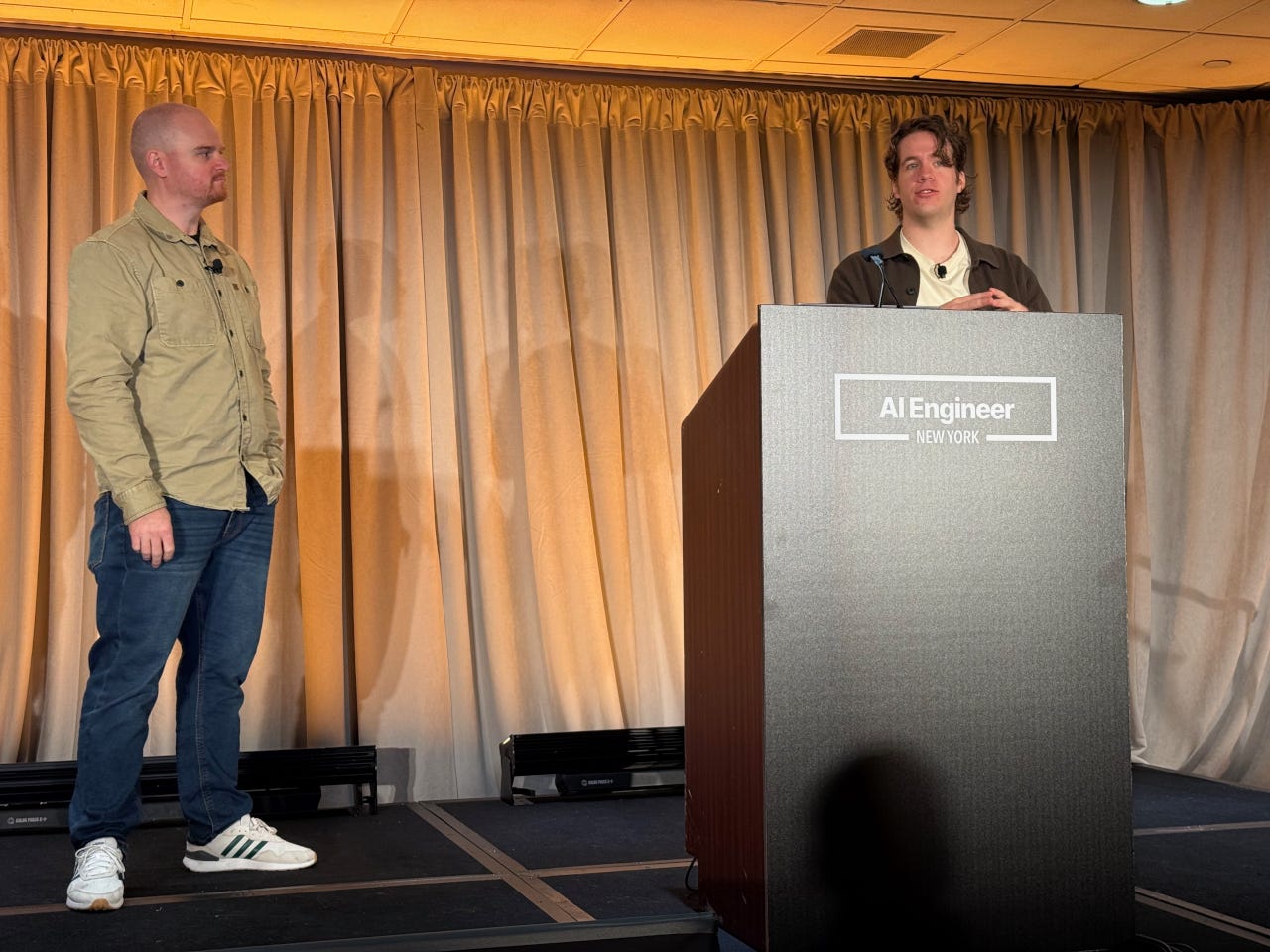
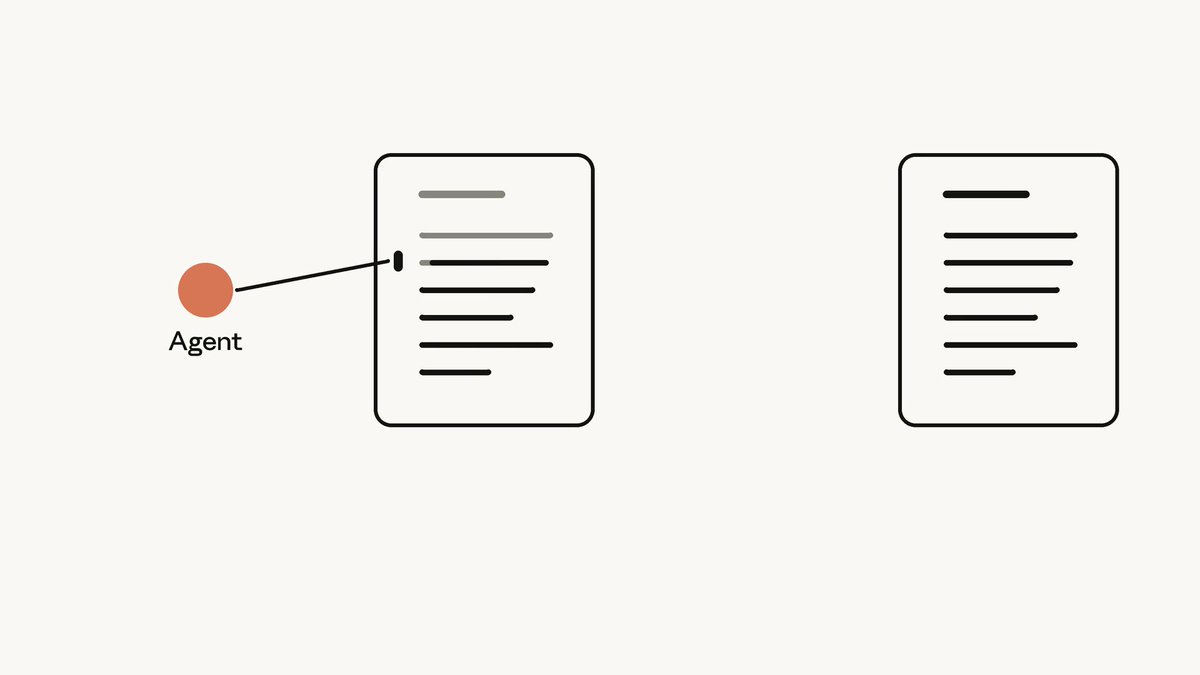
- Per Anthropic's CJ Avilla and Harrison Stall, a flow starts with the lead agent writing a plan, then Claude writes an orchestration program that launches agents, collects results and manages information flow, replacing a developer-configured coordinator and roster.
- Developers can still pass pre-configured specialist sub-agents in the agent config. Workflow subagents share a filesystem to exchange information, but the API offers no way to instruct one subagent to message another directly.
- The model is not told its budget while running; developers set a session budget instead. Asked how Claude picks how many agents to use, Stall pointed to and lower defaults, saying ambitious tasks usually need explicit encouragement to parallelize.
- In a stock watchlist scanner demo, Avilla said flows cost much more than a single-agent approach but were much more effective at finding details. To make repeated flows cheaper, he suggested dreaming, a research preview that reorganizes memory using past session transcripts.
- Self-improvement is not built in: a flow will not, say, replace an inadequate scanning model before its next scheduled run, though the presenters said hill-climbing and dreaming could improve the loop. Claude Console graphs show what the lead passed to each .
- AI agent — An AI system that doesn't just answer once but works toward a goal in a loop — taking actions, reading the results, and deciding what to do next.
- multi-agent — Using several AI agents on one problem — splitting work in parallel, checking each other, or filling different roles like planner and reviewer.
- eval — A repeatable test for AI quality — a set of tasks plus scoring — used the way software teams use test suites, because model output is too variable to judge by eyeballing.
- subagent — A separate agent spawned by another to do one scoped piece of work in its own context, returning only the result.


Checking sign-in…
Loading comments…