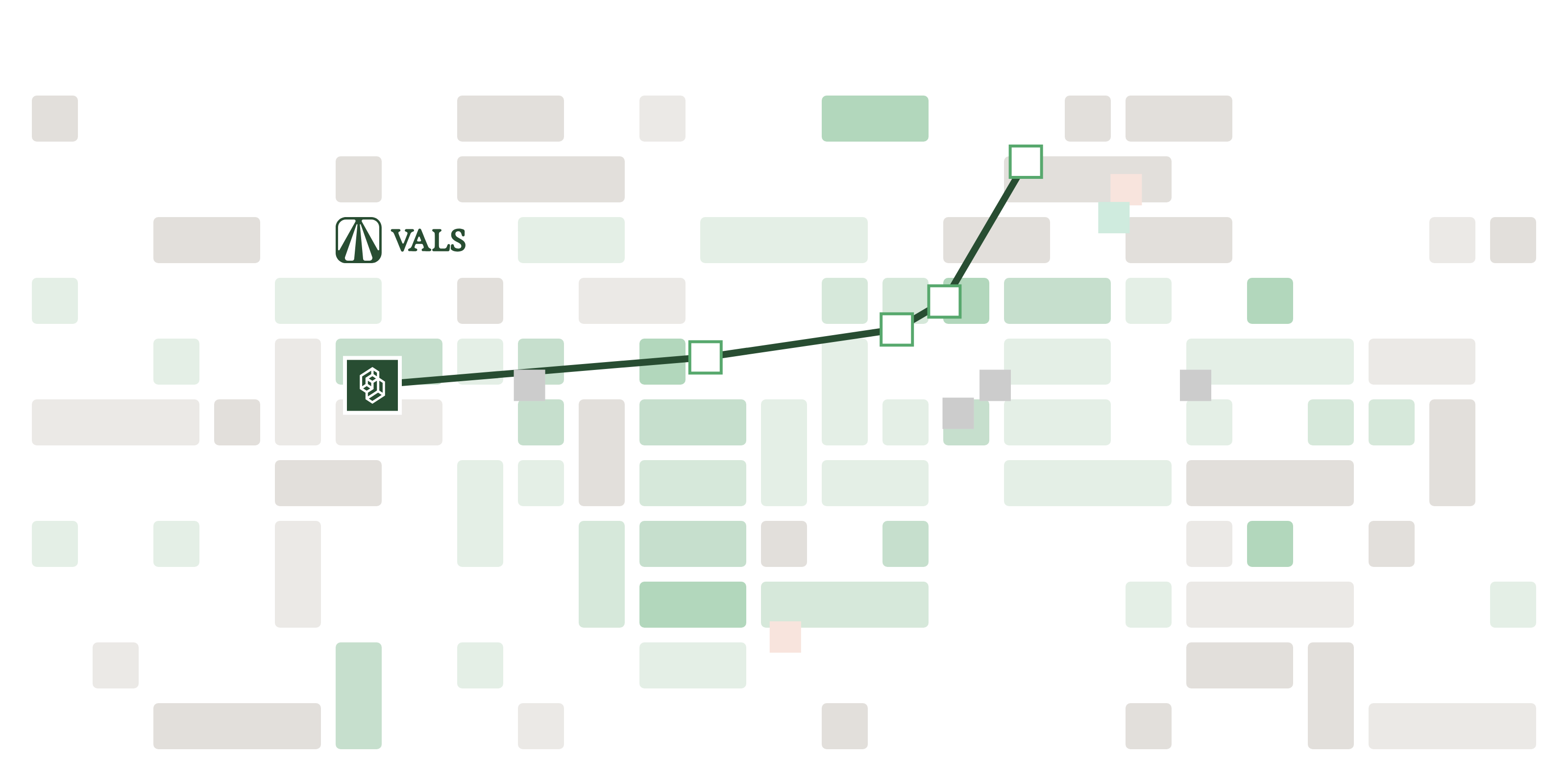
A cheap screening stage run on 6,000 candidates per role dominates cost. This shows a specialized decision model matching a small general LLMA large language model — the neural network behind tools like Claude and ChatGPT, trained on huge amounts of text to predict what comes next.Full definition → on shortlist recall at a fraction of the price, with the evalA repeatable test for AI quality — a set of tasks plus scoring — used the way software teams use test suites, because model output is too variable to judge by eyeballing.Full definition → method described.
Key takeaways · AI-distilled
Jack & Jill replaced Gemini 3.1 Flash Lite with TypeSafe's Jev for 100% of calls in the initial-scoring stage of its candidate matching pipeline, which scores about 6,000 candidates per open role to build a 2,000-person shortlist.
Per the case study, cost per 1,000 candidates screened fell from $0.755 to $0.092 (88% lower) and median screening time per role fell from 20.3s to 10.3s; Jev's list price is $0.042 per million input tokenThe chunk of text a model reads and writes in — roughly three-quarters of a word — and the unit AI usage is billed in.Full definition → with output free.
In a test on 150 live roles, Jev kept 94.6% of candidates hiring managers later asked to meet versus 93.9% for Gemini, but TypeSafe notes the gap was not statistically significant (90% CI −0.4 to +1.8 points).
Projected savings are $265K a year at current volume and $500K over 12 months with expected growth; the company says the switch also unlocked new uses, such as showing candidates matched jobs right after signup.
Terms in this piece · Glossary
LLM — A large language model — the neural network behind tools like Claude and ChatGPT, trained on huge amounts of text to predict what comes next.
eval — A repeatable test for AI quality — a set of tasks plus scoring — used the way software teams use test suites, because model output is too variable to judge by eyeballing.
token — The chunk of text a model reads and writes in — roughly three-quarters of a word — and the unit AI usage is billed in.