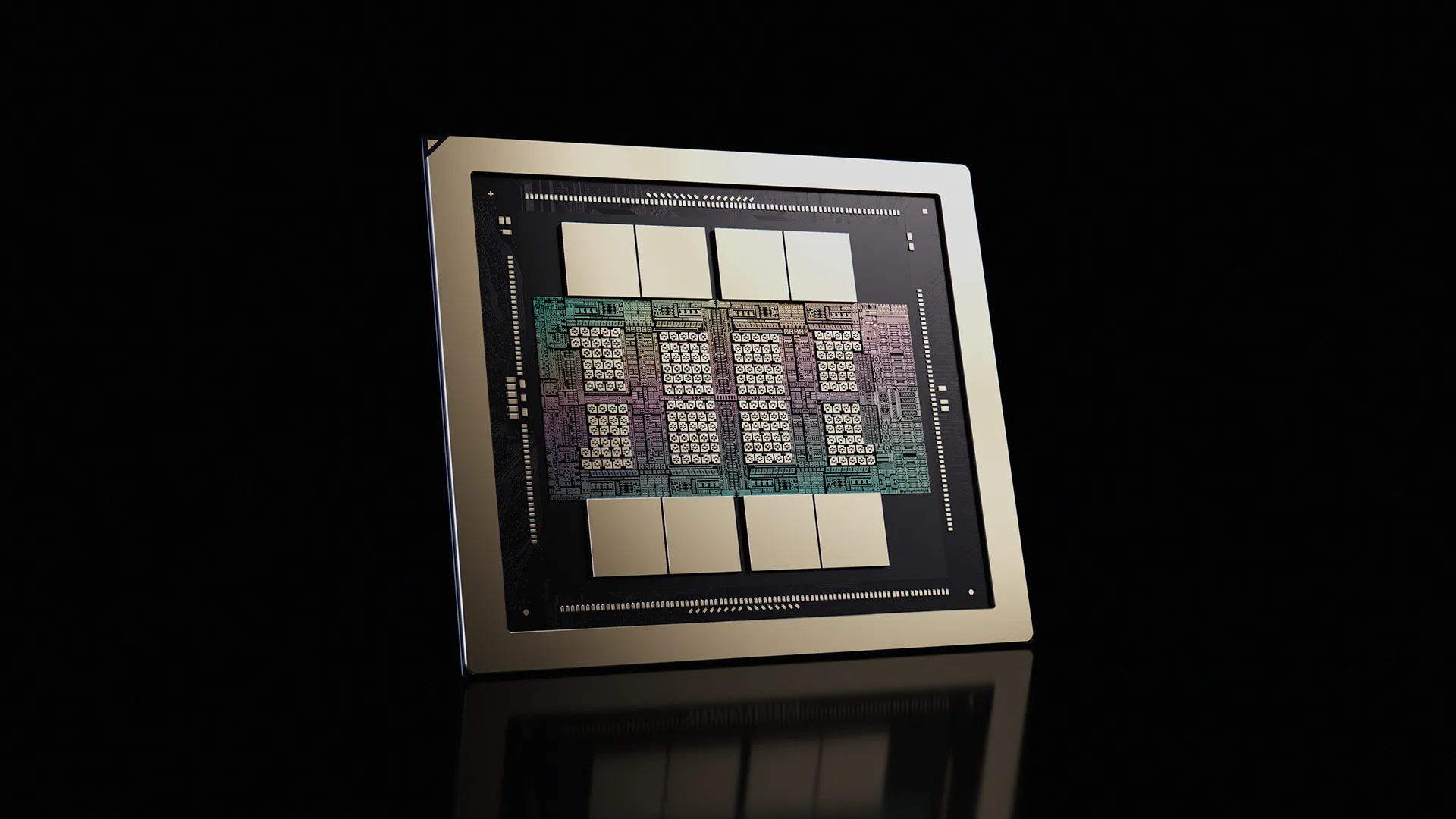
NVIDIA's Rubin architecture addresses a ConstraintA requirement a setup must meet regardless of how well it performs otherwise, such as where documents may be sent or a date by which the work must be done.Full definition → that raw computing power cannot remove: generating long AI responses requires repeatedly moving model data and retained Context and context windowContext is the information available for a generation; the context window is the capacity available to hold it.Full definition → through memory. Its architecture article describes up to 288 GB of on-package memory and 22 TB/s of peak memory bandwidth, the latter claimed to be 2.8 times Blackwell's.
Those specifications serve different purposes. Capacity accommodates larger models, more retained context, or more simultaneous requests. Bandwidth determines how quickly the GPU can move the data needed for generation. The design aims to keep computing units supplied with work as agents reason through longer tasks; the bandwidth comparison alone is not a measurement of ApplicationSoftware arranged so that a person can use it; in this course, the software around a model that accepts your request, prepares the context and shows the reply.Full definition → speed. Memory subsystem explanation.
Terms in this piece · Glossary
Constraint — A requirement a setup must meet regardless of how well it performs otherwise, such as where documents may be sent or a date by which the work must be done.
Context and context window — Context is the information available for a generation; the context window is the capacity available to hold it.
Application — Software arranged so that a person can use it; in this course, the software around a model that accepts your request, prepares the context and shows the reply.
transformer — The neural network architecture behind modern AI models, built on attention — letting every word directly consider every other word in parallel.