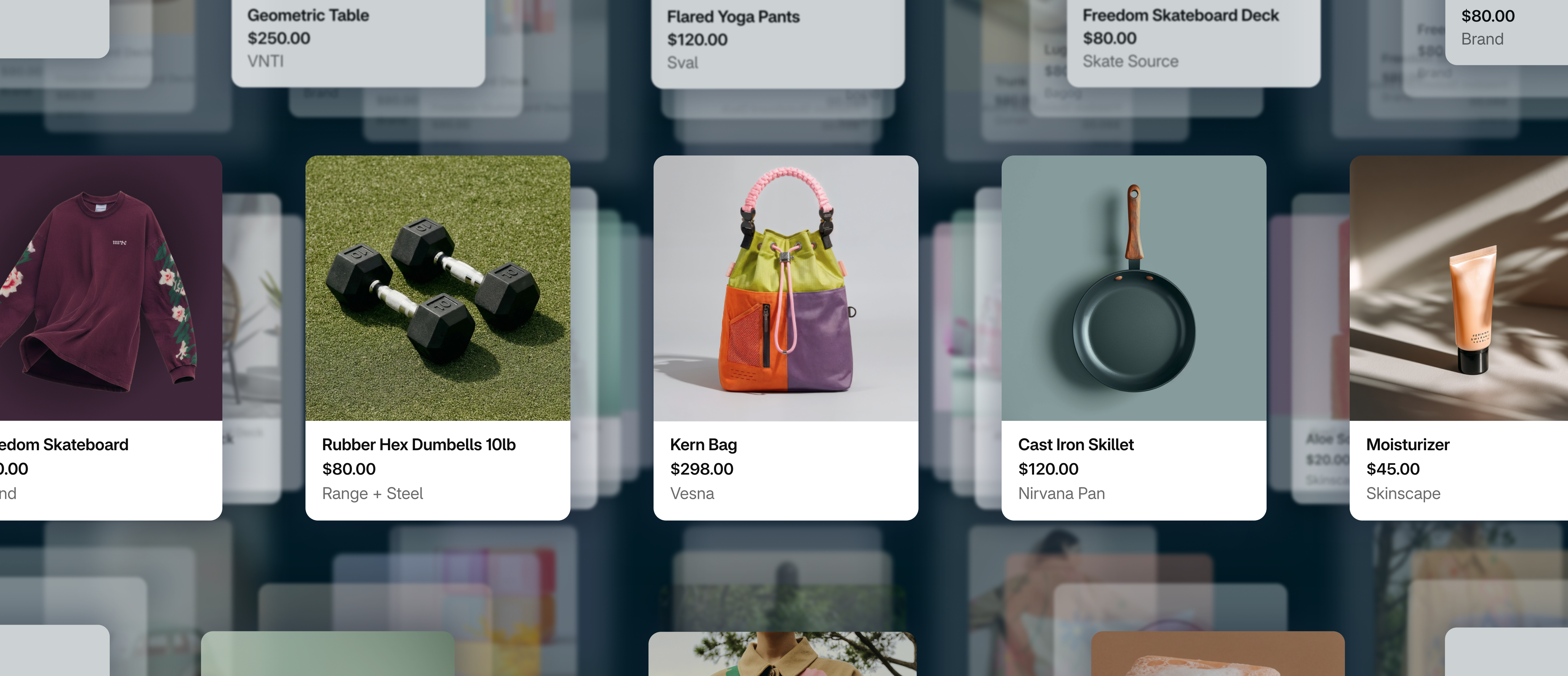
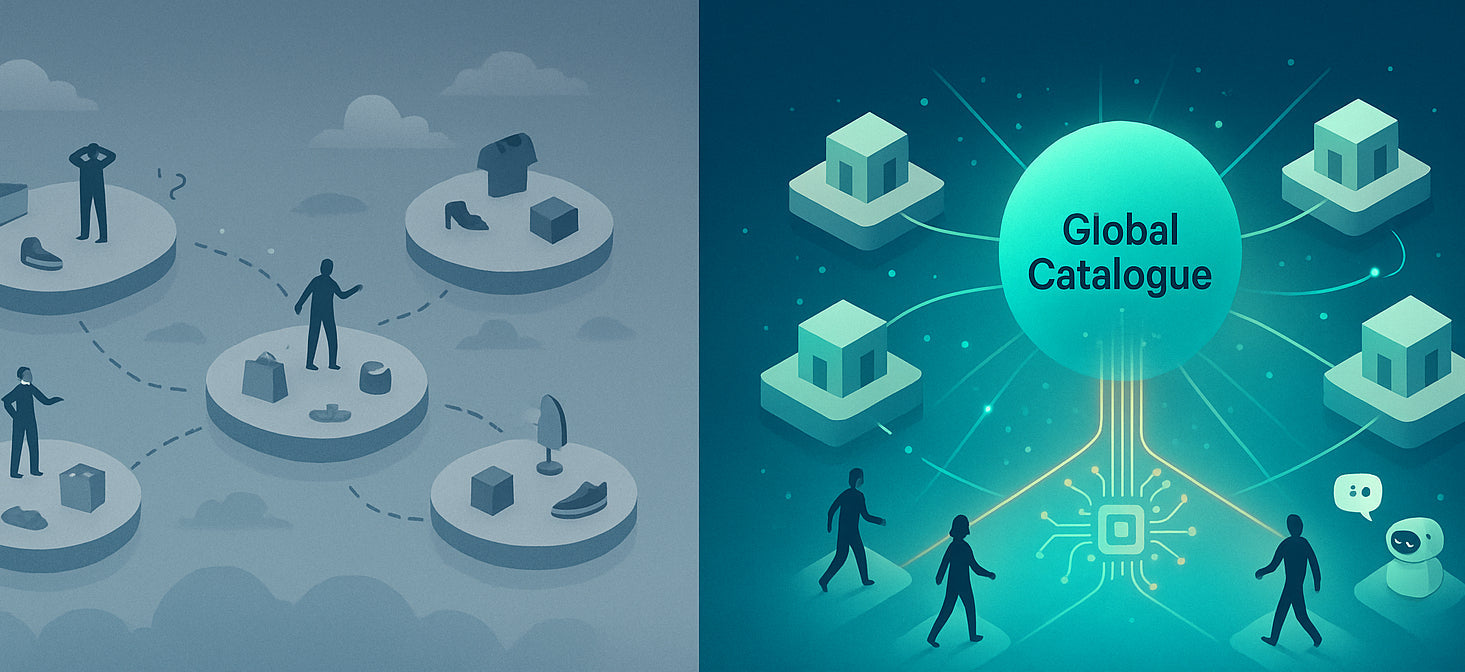
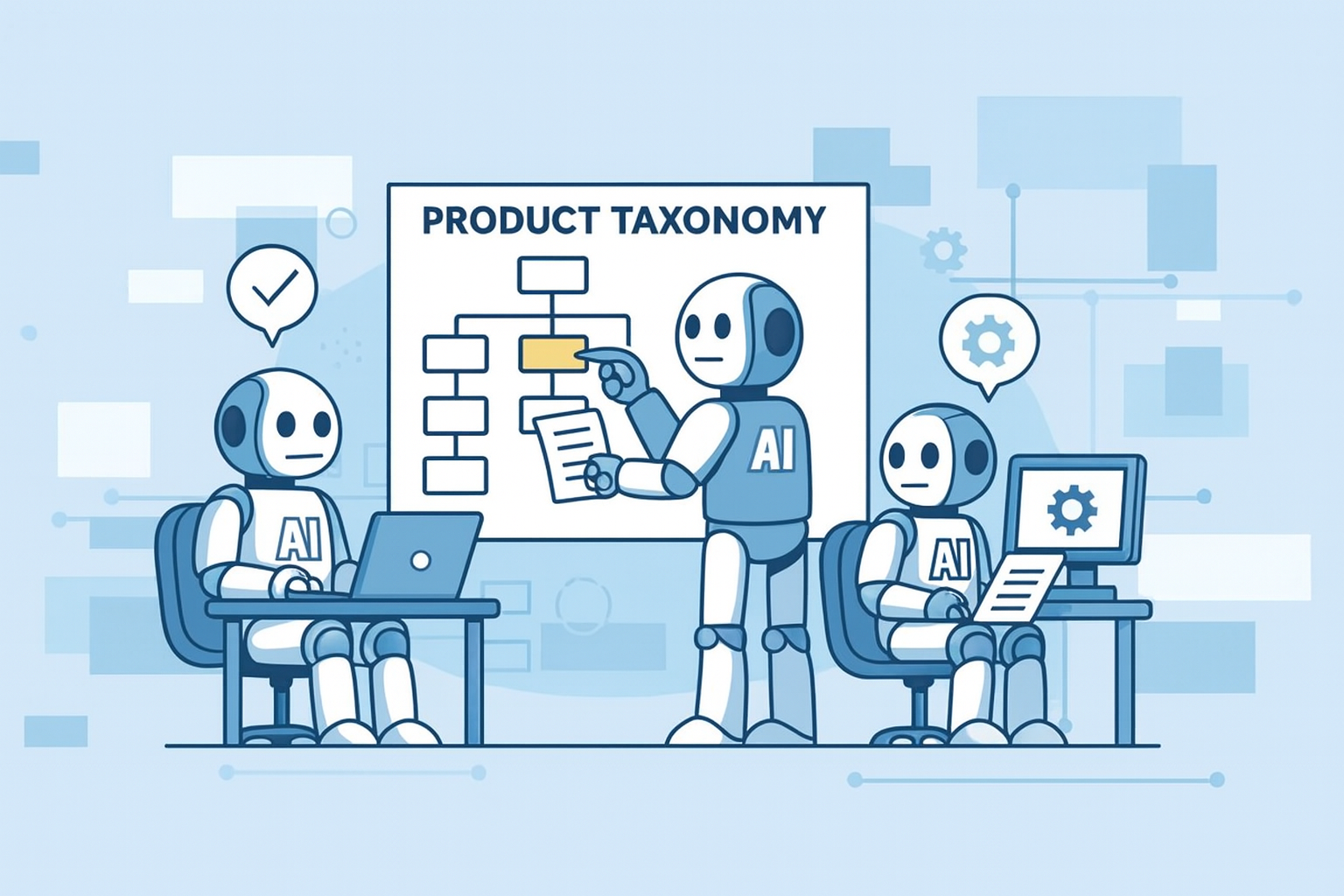
Shopify's catalog-clustering system addresses a shopping problem: merchants can describe variants of one product as separate listings. Grouping them helps a shopping AI agentAn AI system that doesn't just answer once but works toward a goal in a loop — taking actions, reading the results, and deciding what to do next.Full definition → recognize the available versions, but an incorrect merge can cause it to recommend the wrong item.
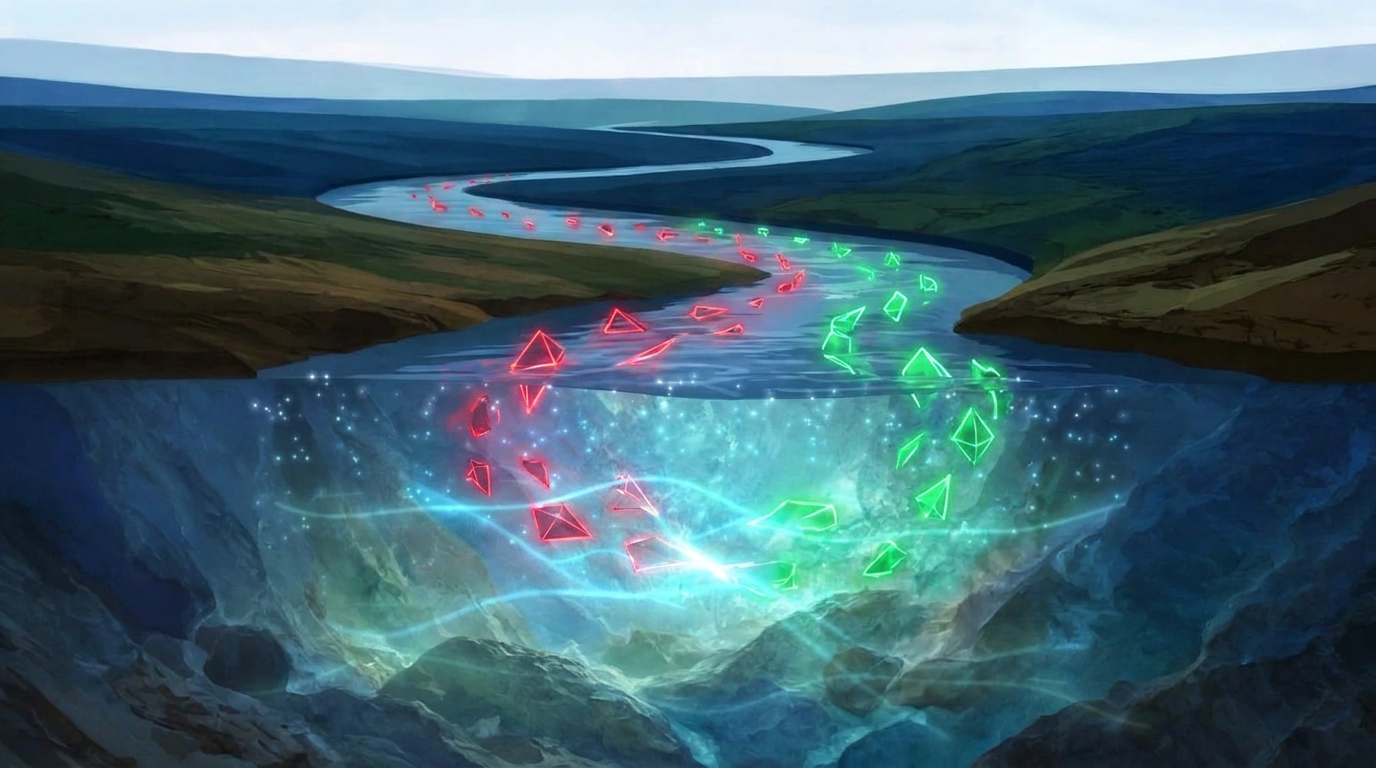
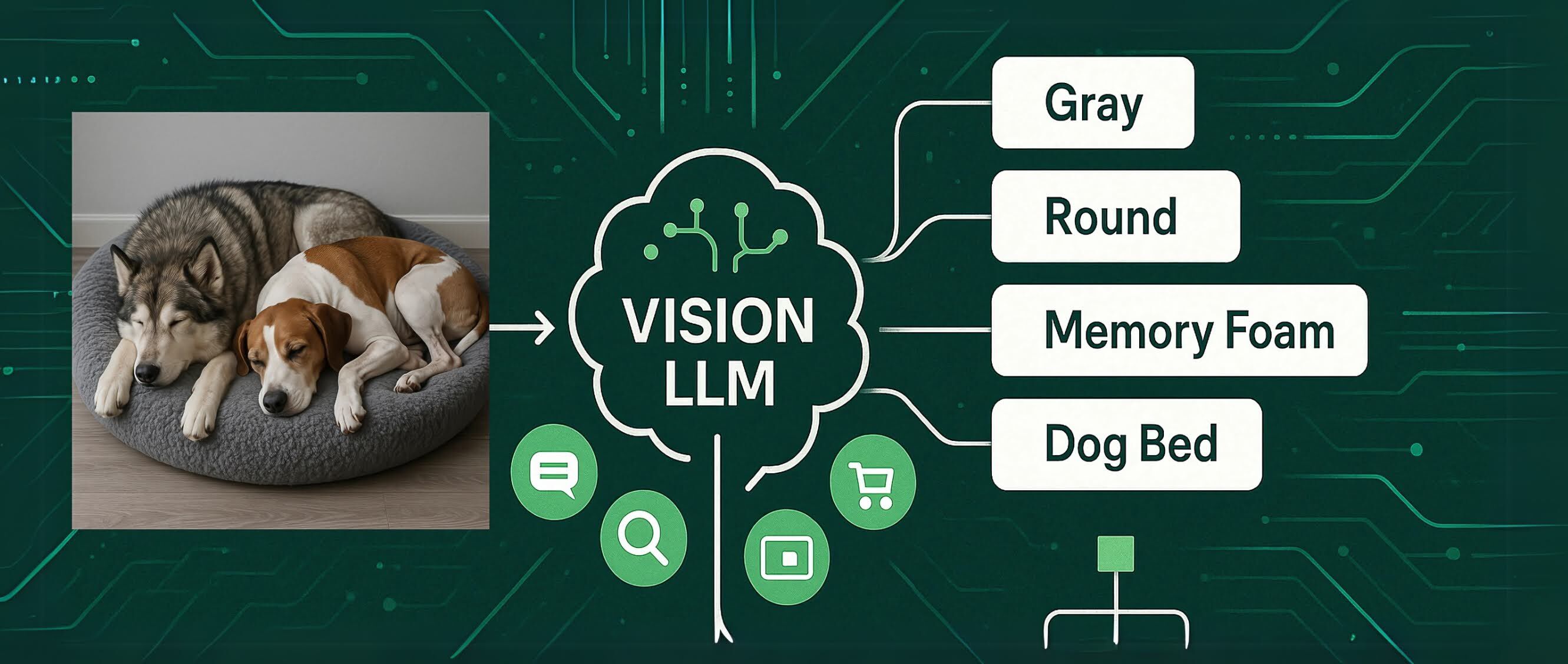
The described pipeline first uses merchant-defined structures and rules where possible. For ambiguous cases within a store, a LLMA large language model — the neural network behind tools like Claude and ChatGPT, trained on huge amounts of text to predict what comes next.Full definition → proposes product groups and a second pass identifies items that do not belong. Shopify prioritizes avoiding false merges over capturing every possible match. The article explains this within-store process and identifies matching products across different stores as the next stage.
Terms in this piece · Glossary
AI agent — An AI system that doesn't just answer once but works toward a goal in a loop — taking actions, reading the results, and deciding what to do next.
LLM — A large language model — the neural network behind tools like Claude and ChatGPT, trained on huge amounts of text to predict what comes next.