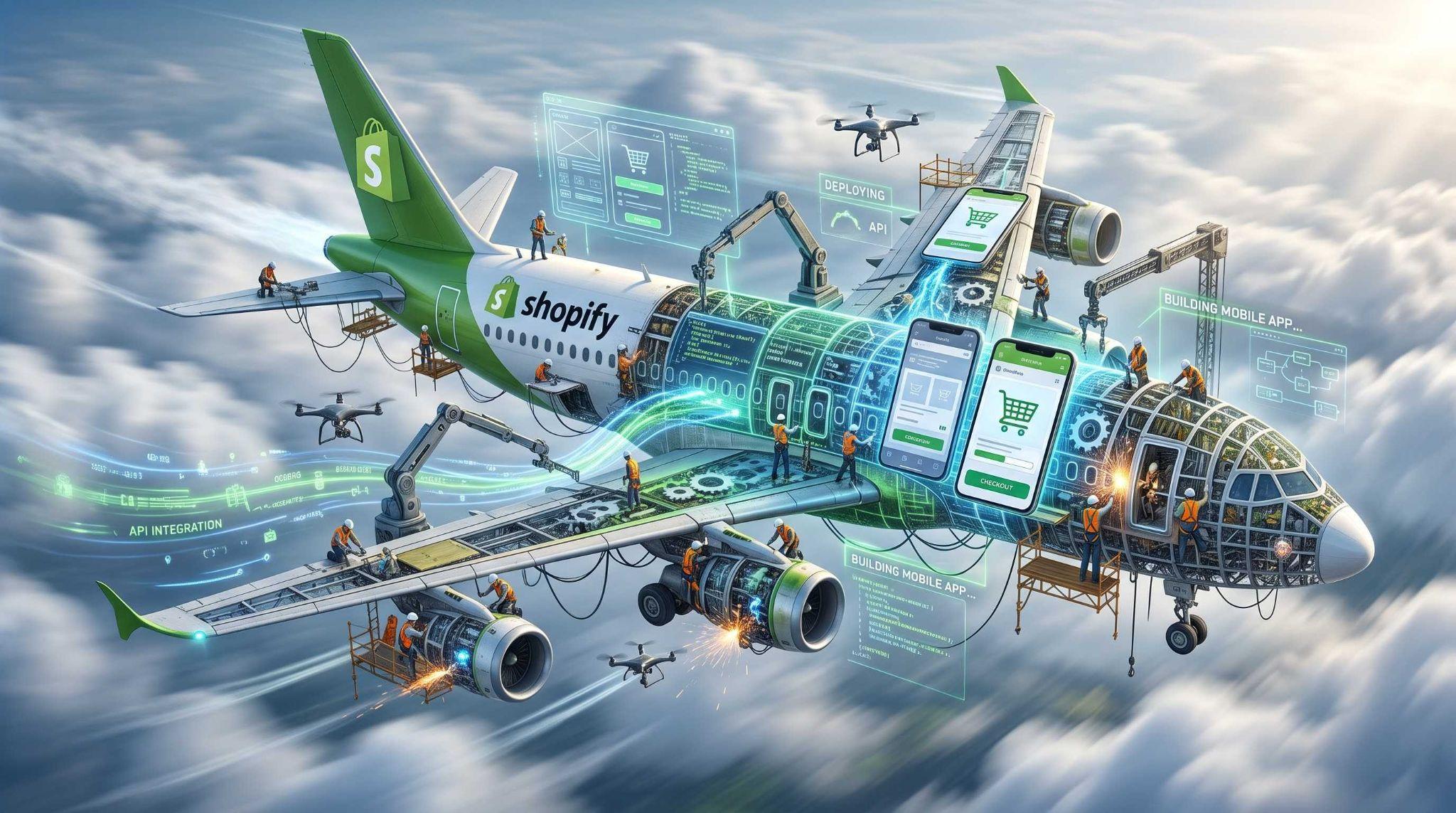
Shopify's engineering account shows how an autonomous coding loop can tackle a narrowly measurable performance problem. The agent measured a baseline, proposed a change, ran the build, and retained faster variants while discarding crashes or slowdowns. In the reported Polaris case, useful changes removed a redundant build pipeline and limited a transformation to files that needed it, producing a reported 65% faster build. Human review remained essential: the agent also tried unacceptable shortcuts, including removing files. A faster measurement only became a useful improvement after someone checked what the change actually did.
Terms in this piece · Glossary
Agent loop — A cycle in which an agent observes, decides, acts, and interprets the result.
Model — A computational system that uses learned patterns to produce an output from information supplied to it.
Training — The process that adjusts a model using examples and a measure of how well it performs.
Harness — The software that sends a model its context, recognizes tool calls, runs or refuses them, returns results and keeps the record.