Agentic Document Extraction adds schema-based field extraction
- Source
- video.twimg.com
- Publisher
- Andrew Ng
- Author
- Andrew Ng
- Date
Context
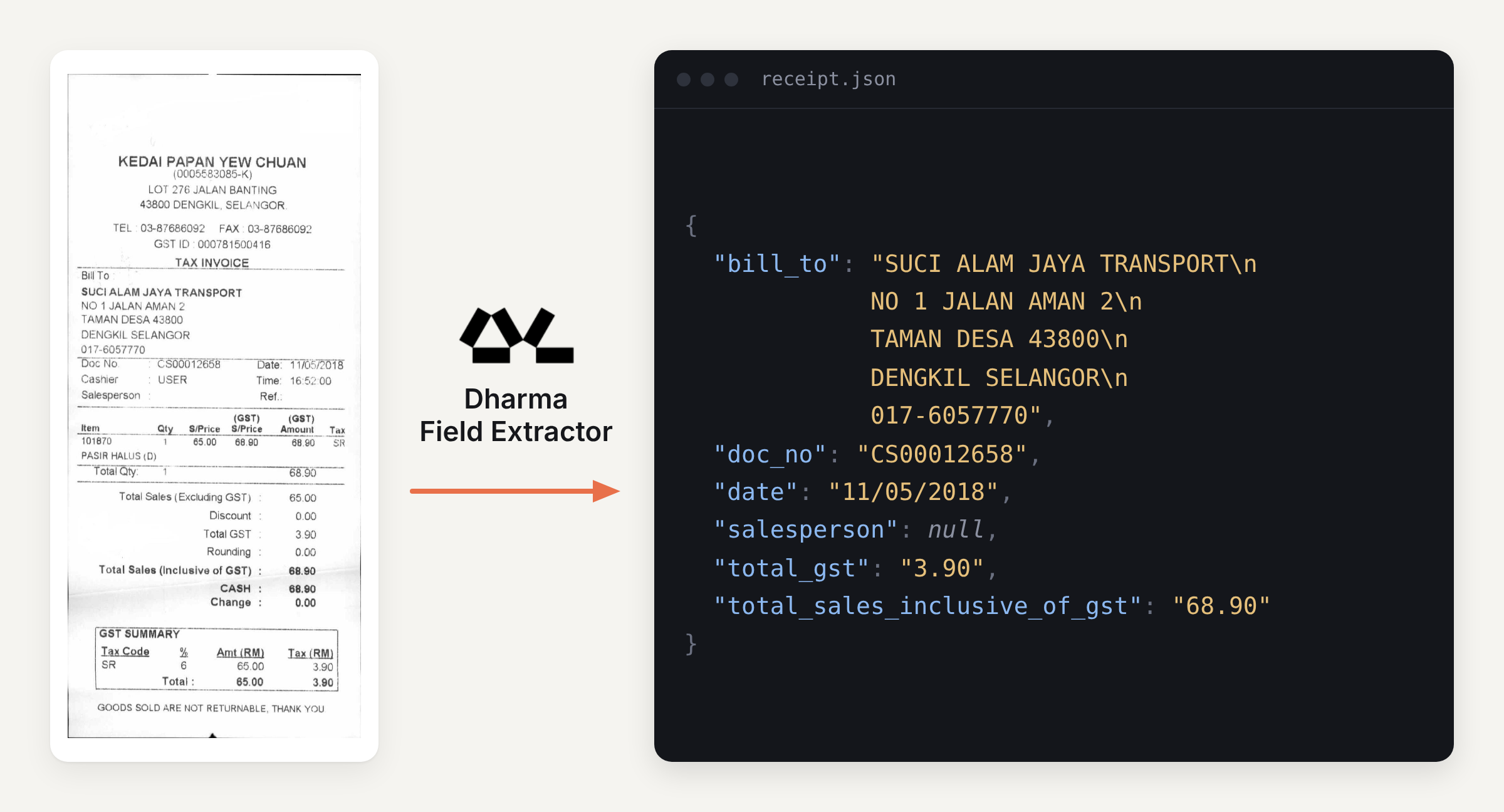
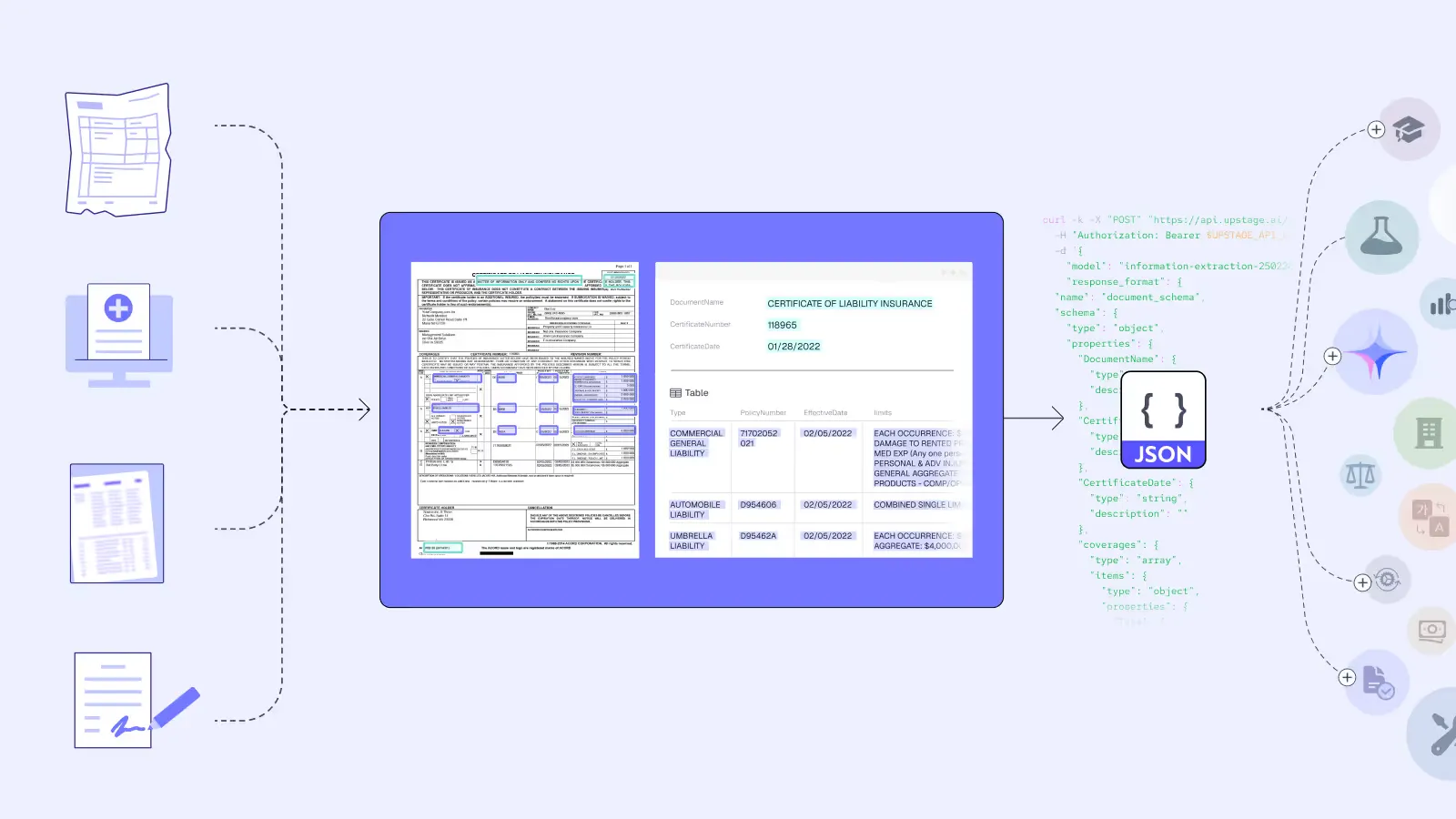
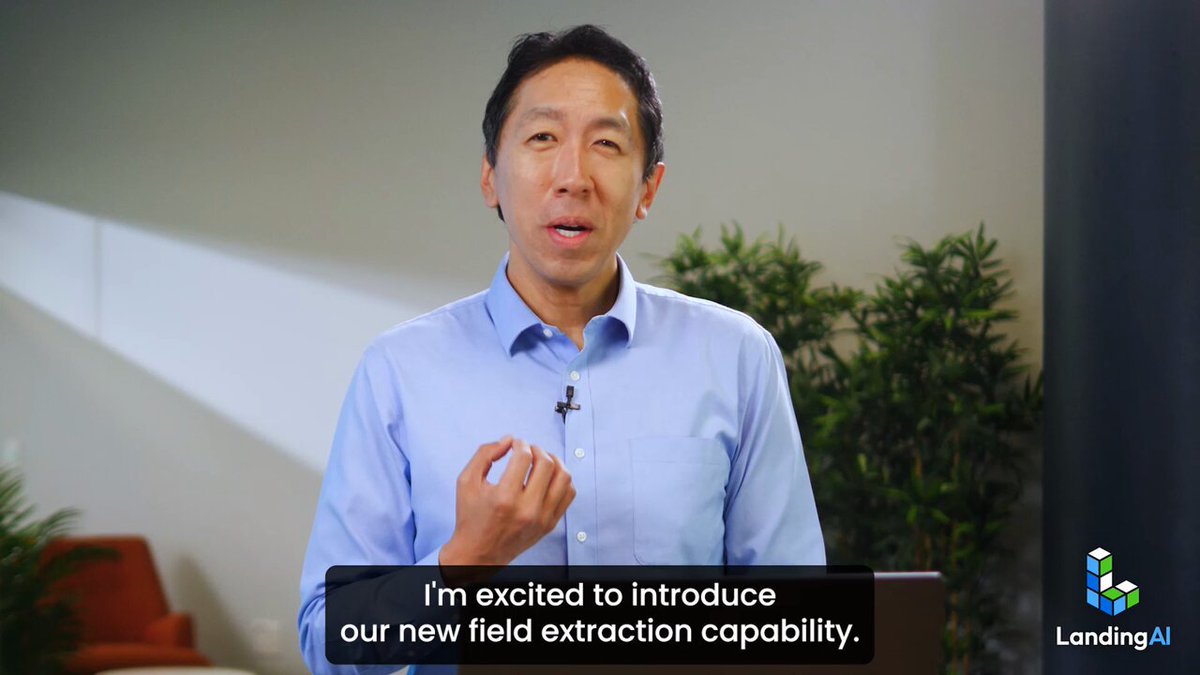
extraction lets Agentic Document Extraction return the specific values a business needs from a document, such as an invoice's number, date, vendor and line items, in a fixed structure. Andrew Ng announced the feature on X on July 10, 2025 with a demo video. The user defines the output in a , a JSON specification of which fields to pull and what type each one is. In the demo, the billing name is a string and the line items are an array. Ng says the then "will try to consistently extract those fields" from every document, which is what repetitive batch work needs: the same fields from each item in a large collection of invoices, patient records or car insurance claim forms.
Writing the schema is optional. According to the post, a user can upload one sample document with a plain-language request and the tool generates a schema, which the user can edit before running it. In the video, Ng accepts a suggested invoice schema, gets the fields back a few seconds later, and clicks the extracted total ($40,638) to see visual , which marks where in the document that value came from. Developers get the schema as Python data-validation classes they paste into their own code and call through the tool's Python library. The demo shows the workflow, not a measured error rate, so the grounding view is how a user checks values on their own documents. The extraction approach underneath, which breaks a page into components such as tables and checkboxes, was explained when the tool launched in February 2025.
- Field — One named piece of a record, such as name or approved_on; a record is one entity's set of values, one per field.
- Schema — A written description of a data format: which fields exist, what kind of value each holds and which are required.
- Tool — An operation that the software around a model makes available for the model to request, with a name, expected inputs and a kind of result.
- grounding — Tying a model's answers to checkable sources — retrieved documents, live data, tool results — instead of letting it answer from memory alone.