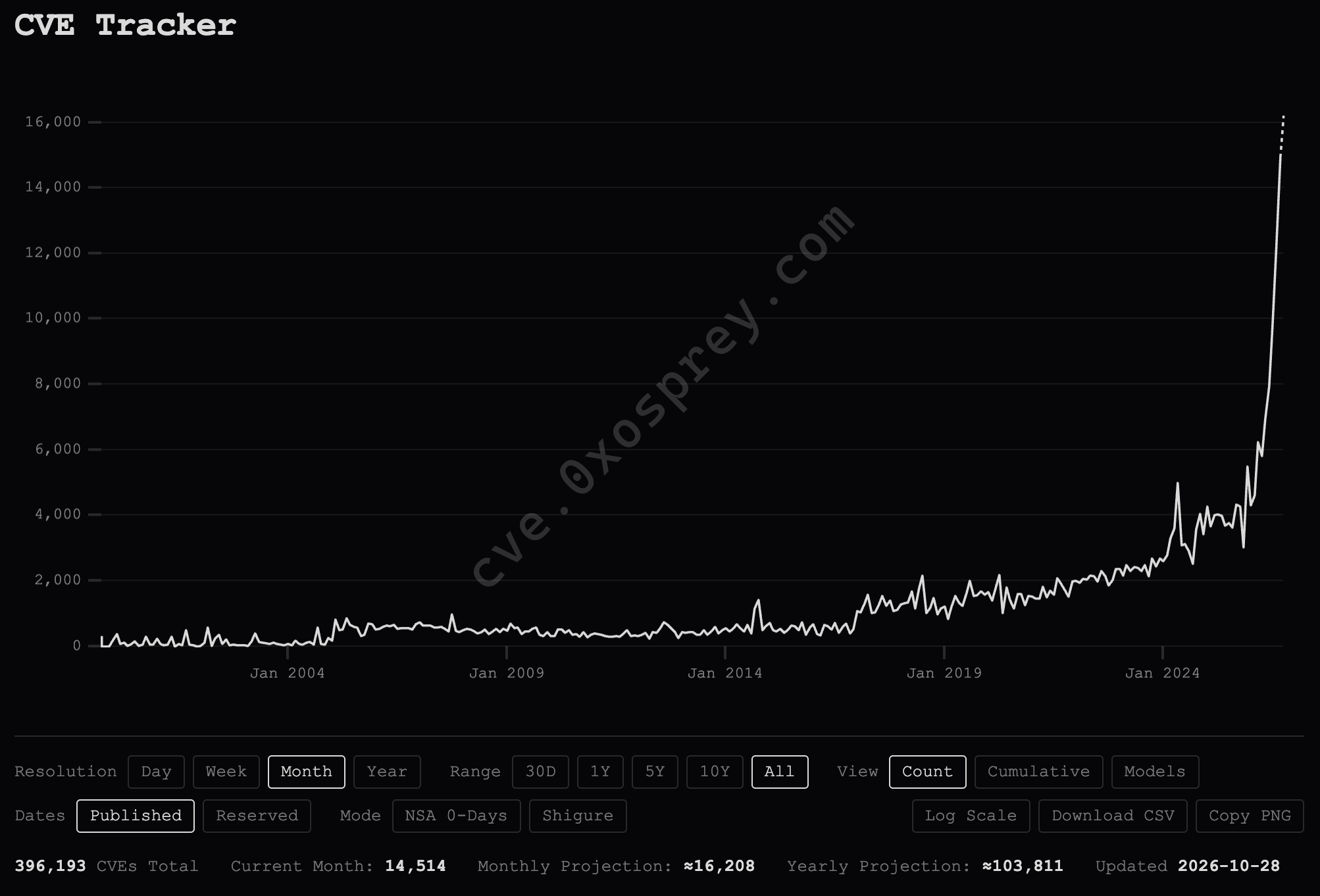
Argues a position on releasing open-weight models with strong cyber capability, using the recent surge in vulnerability disclosures as evidence. Helps engineers judge future access to open models.
Key takeaways · AI-distilled
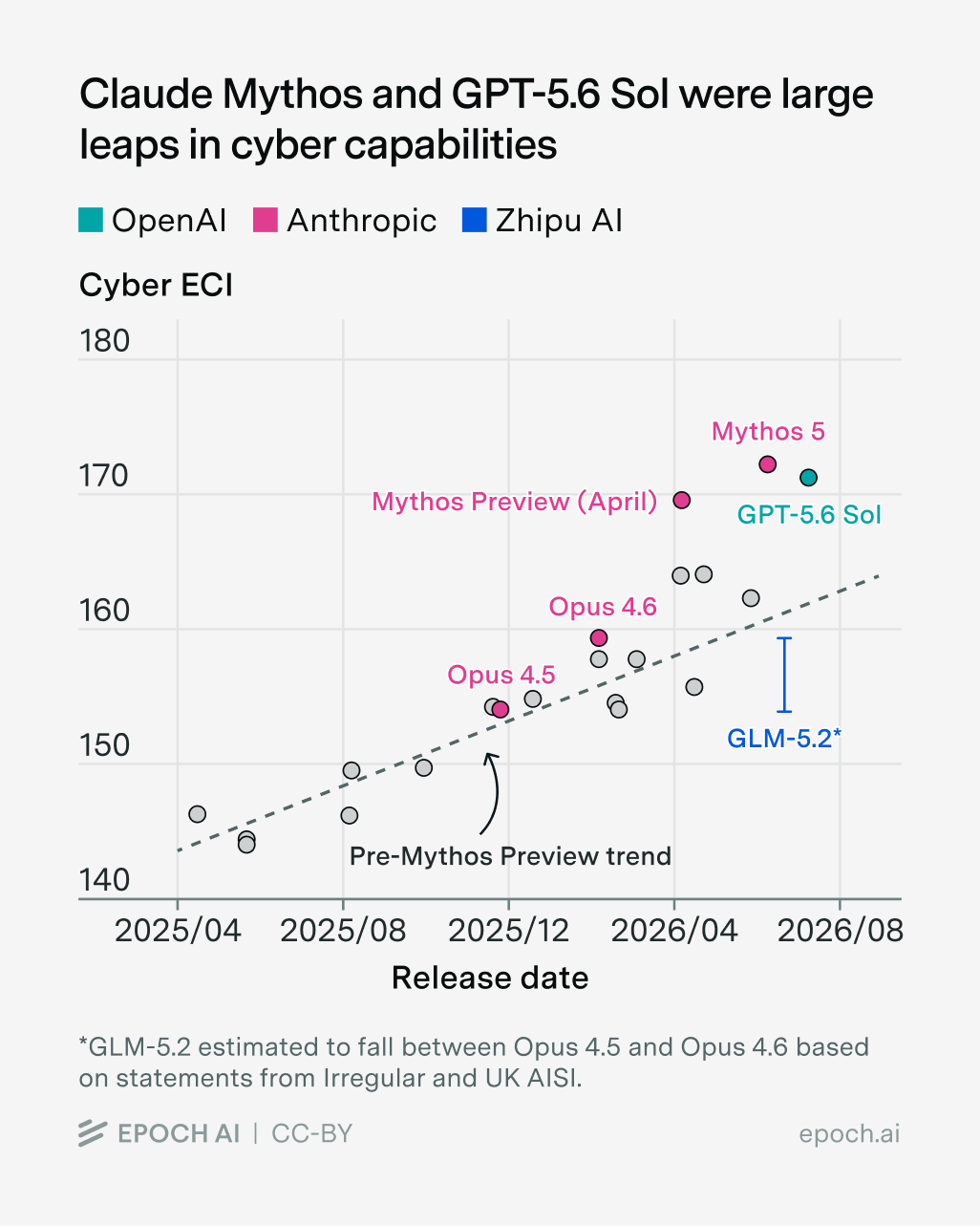
Lambert argues finding an exploit is only one stage of an attack: Epoch AI used GLM-5.3 to build a site that exfiltrated files from visiting Firefox users, but an attacker still has to plant such a site and draw victims to it.
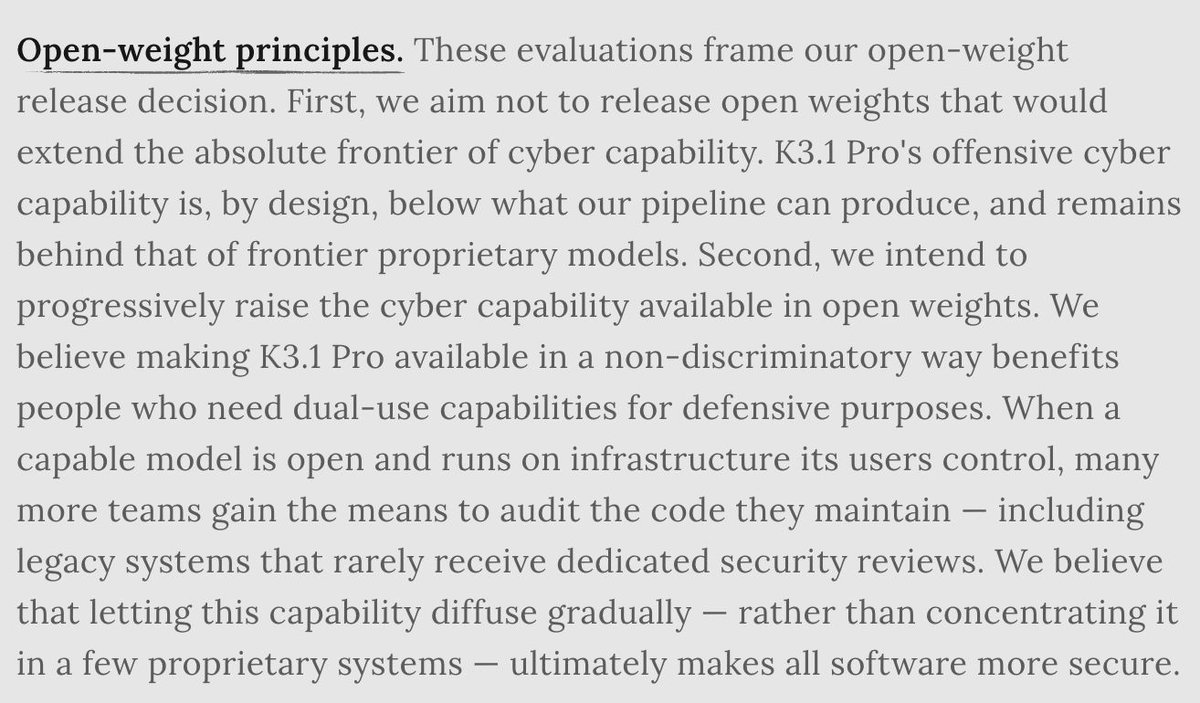
Lambert expects well-resourced companies to adopt open weightsA model whose trained parameters are published for anyone to download and run — unlike API-only models you can access but never possess.Full definition → models faster than most attackers, who are lower resourced, so he sees open models as adding balance to the offense-defense equation rather than tipping it toward attackers.
Lambert suspects, with wide error bars, that most recent vulnerabilities are being found with closed models, since the largest open models are costly to serve and compute is sold out; he guesses any near-term open-model hack would run through a poorly secured open model API.
Citing security writers such as Joshua Saxe, Lambert notes exploit rates and cyber damages were rising exponentially well before ChatGPT; if AI capability were the bottleneck, ecosystem-level data would show a step change instead of an on-trend rise.
Lambert concedes that calling an open-weight Mythos release fine was imprecise: he now describes the likely outcome as a forced, expensive industry shift in how software is built and secured, and credits safety voices who framed it as a new era of cyber instability.
Terms in this piece · Glossary
open weights — A model whose trained parameters are published for anyone to download and run — unlike API-only models you can access but never possess.