Code, Test, and Deploy on One Machine with NVIDIA RTX Spark
Source
developer.nvidia.com
Author
Elizabeth Goodman
Date
Why it matters
A single PC with 128GB unified memory can run local coding agents, fine-tuning and CUDA builds, with a 74B mixture-of-expertsA model built from many specialist sub-networks where only a few activate per token, giving big-model capability at small-model running cost.Full definition → model quantized for it. Engineers weighing local versus hosted inference gain a new option, though speedups are vendor-reported.
Key takeaways · AI-distilled
NVIDIA rates RTX Spark at 1 petaflop of FP4 AI compute and claims 4.6x faster coding agents, 2.7x faster fine-tuningTaking a trained model and training it a bit more on your own examples so it gets better at one specific job.Full definition → and 1.8x faster compilation than Intel Panther Lake 12Xe; these are vendor figures.
Nemotron 3.5 Bolt activates 9B of its 74B parameters and fits in 24GB through 2-bit quantizationShrinking a model by storing its numbers less precisely — like rounding — so it runs faster and fits on smaller hardware, at a small quality cost.Full definition →-aware training. NVIDIA says its weights, training data and recipes are fully open.
NVIDIA describes hybrid prompt routers that keep prompts on a local model when it is good enough and escalate to the cloud otherwise, plus OS-level sandboxing through NVIDIA OpenShell or Microsoft Execution Containers.
JetBrains' Junie Local sizes its context windowThe maximum amount of text a model can consider at once — its working memory for the current conversation or task.Full definition → to the memory available to the GPU, so RTX Spark's unified memory lets the agent keep more code, tool output and conversation history in context.
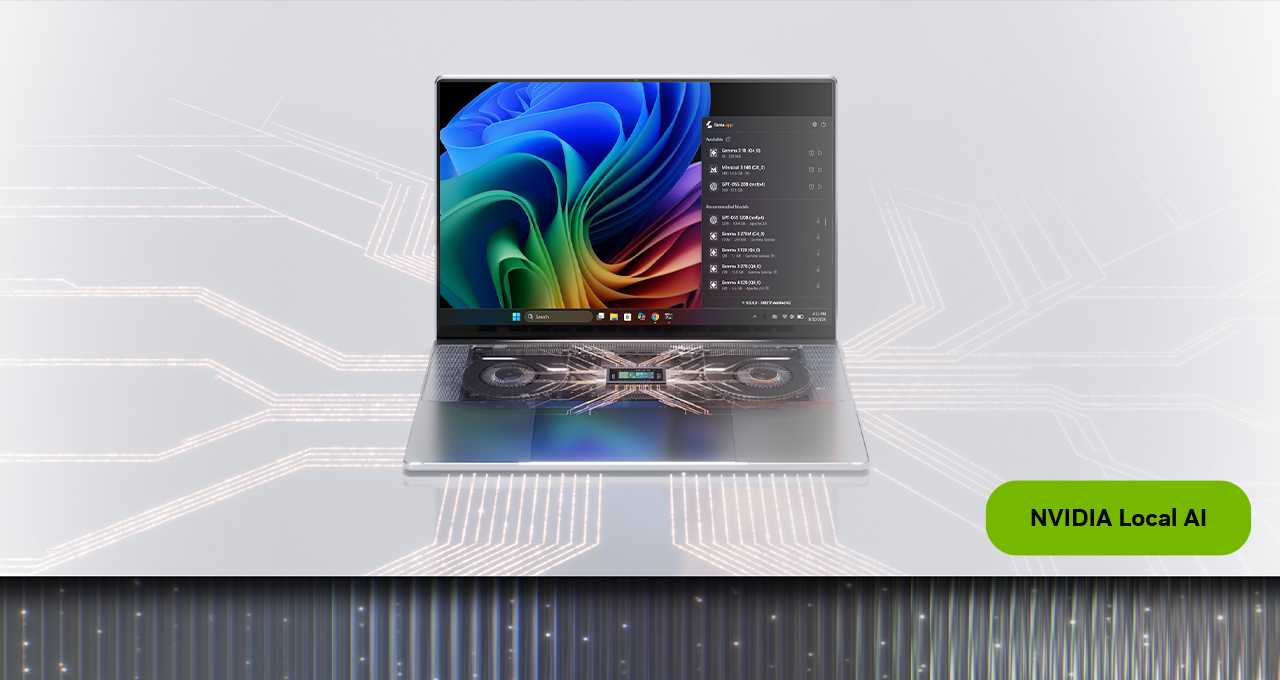
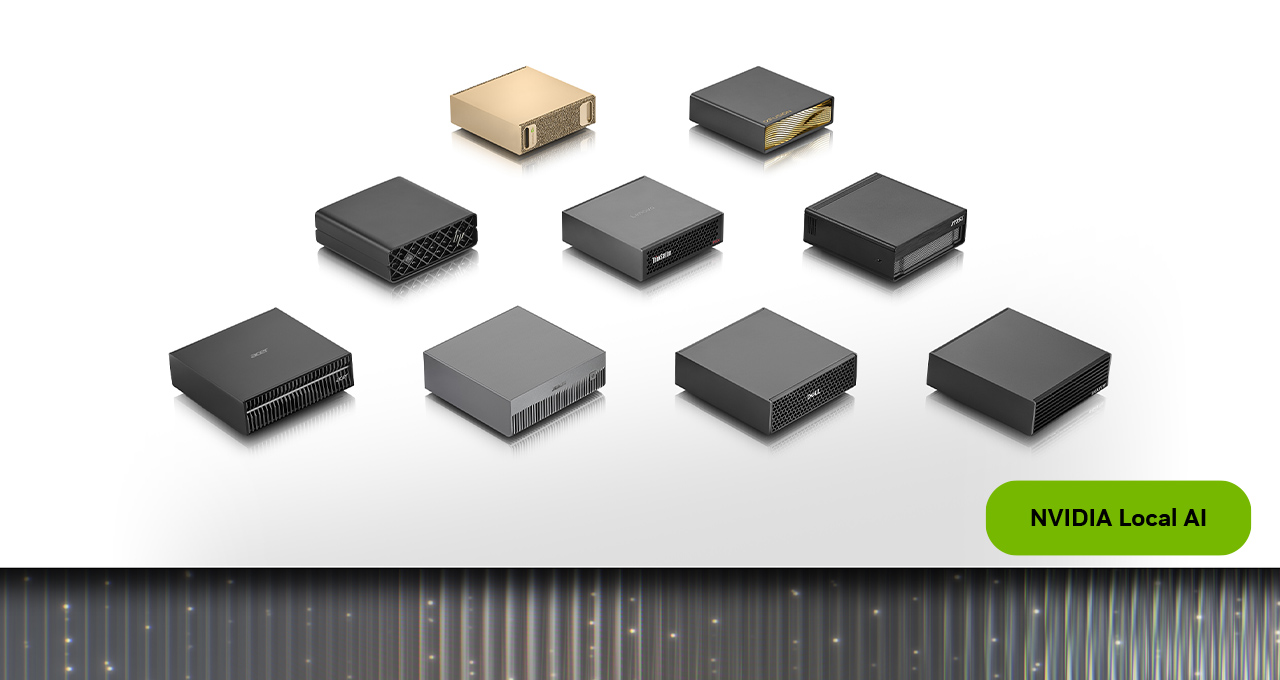
RTX Spark is available in laptops now, with small form factor desktops aimed at always-on agents due in November, according to NVIDIA.
Terms in this piece · Glossary
mixture-of-experts — A model built from many specialist sub-networks where only a few activate per token, giving big-model capability at small-model running cost.
fine-tuning — Taking a trained model and training it a bit more on your own examples so it gets better at one specific job.
quantization — Shrinking a model by storing its numbers less precisely — like rounding — so it runs faster and fits on smaller hardware, at a small quality cost.
context window — The maximum amount of text a model can consider at once — its working memory for the current conversation or task.

 articleHow to Rewrite Apache Spark UDFs for GPU Acceleration with AI Agents
 articleLower the Cost of Building and Running Visual AI Agents with NVIDIA VSS Blueprint 3.3
 articleHow SWE-Serve Exposes the Gap Between Local Tests and Live Serving
 articleHow to Evaluate AI Agents From Tool Calls to Task Completion