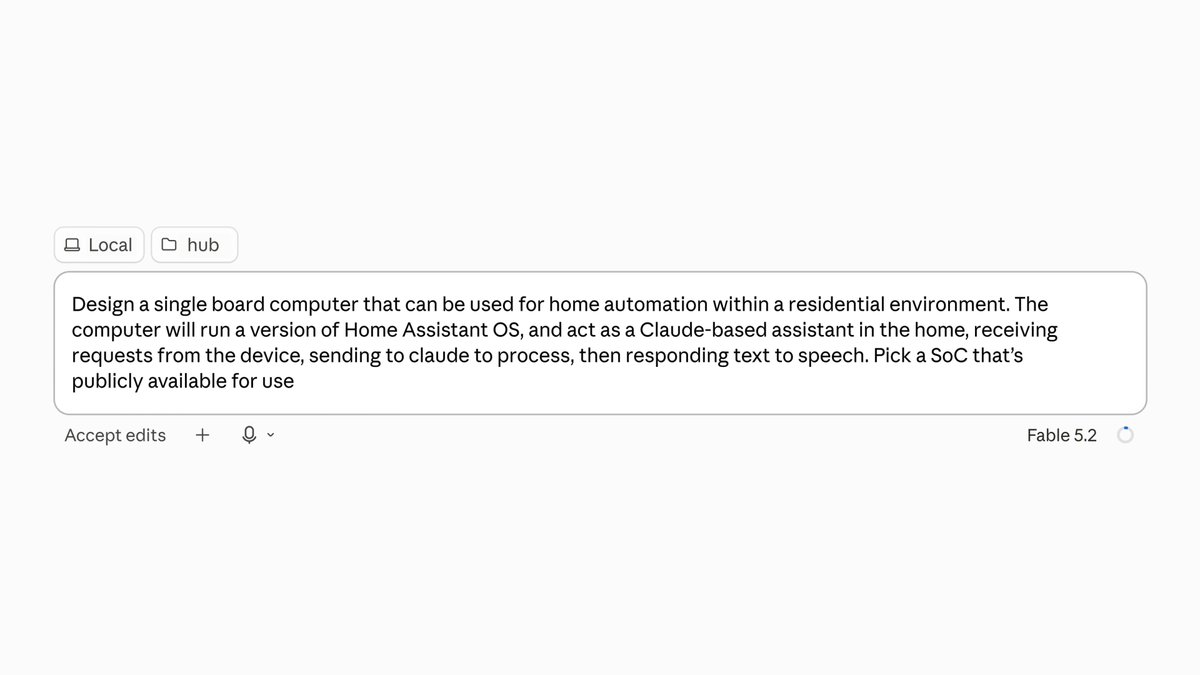
Browser agents can be tricked by instructions hidden in a page. We build defense
- Source
- support.claude.com
- Publisher
- Anthropic
- Author
- claudeai
- Date
Context
Anthropic's Claude account paired a convenience change with a safety reminder. Claude in Chrome, the extension that lets Claude act on websites for you, now carries sessions over to desktop, web and mobile, with conversations saved and skills and connectors working in the browser, starting on Max and Team plans. The follow-up post links to Anthropic's safety guide, which names as the biggest risk: instructions hidden in a page, email or document that Claude may treat as a request from you. The guide's example is invisible text in a to-do list or email asking Claude to retrieve bank statements and share them.
The guide describes two automatic checks. One classifier screens incoming content for attempts, and another checks every action before it runs, then blocks it or pauses for your approval. The second check carries much of the load by default, because the Cowork side panel starts in Automatically approve mode, where Claude screens its own actions and stops only when something needs your approval. Manually approve makes you review every action. Anthropic says its current configuration cuts attack success to under 0.08% in its own internal testing, and states that the risk is not zero because new attacks may fall outside what it tested.
Saved sessions make one habit in the guide more important. Claude works from screenshots of the tabs it uses and cannot filter sensitive content out of them, so whatever is visible becomes part of the conversation, and side panel sessions are saved to your history and can be reopened on other devices. The guide therefore recommends a separate browser profile without banking, health or government accounts, starting on trusted sites, and not opening the side panel on pages you do not want stored with the .
- prompt injection — An attack that hides instructions in content an AI will read — a webpage, email, or document — tricking it into following the attacker instead of the user.
- Injection — A flaw where untrusted input is pasted into a command so that the input changes the command's meaning.
- Session — One conversation or piece of work as a harness keeps it: a record of messages, tool calls and observations that can be saved and resumed.
- tool permissions — The rules governing which tools an agent may call and which need confirmation — the boundary between a mistake and an incident.