Perplexity Orchestrator API puts 45+ models behind one key with routing
- Source
- x.com
- Date

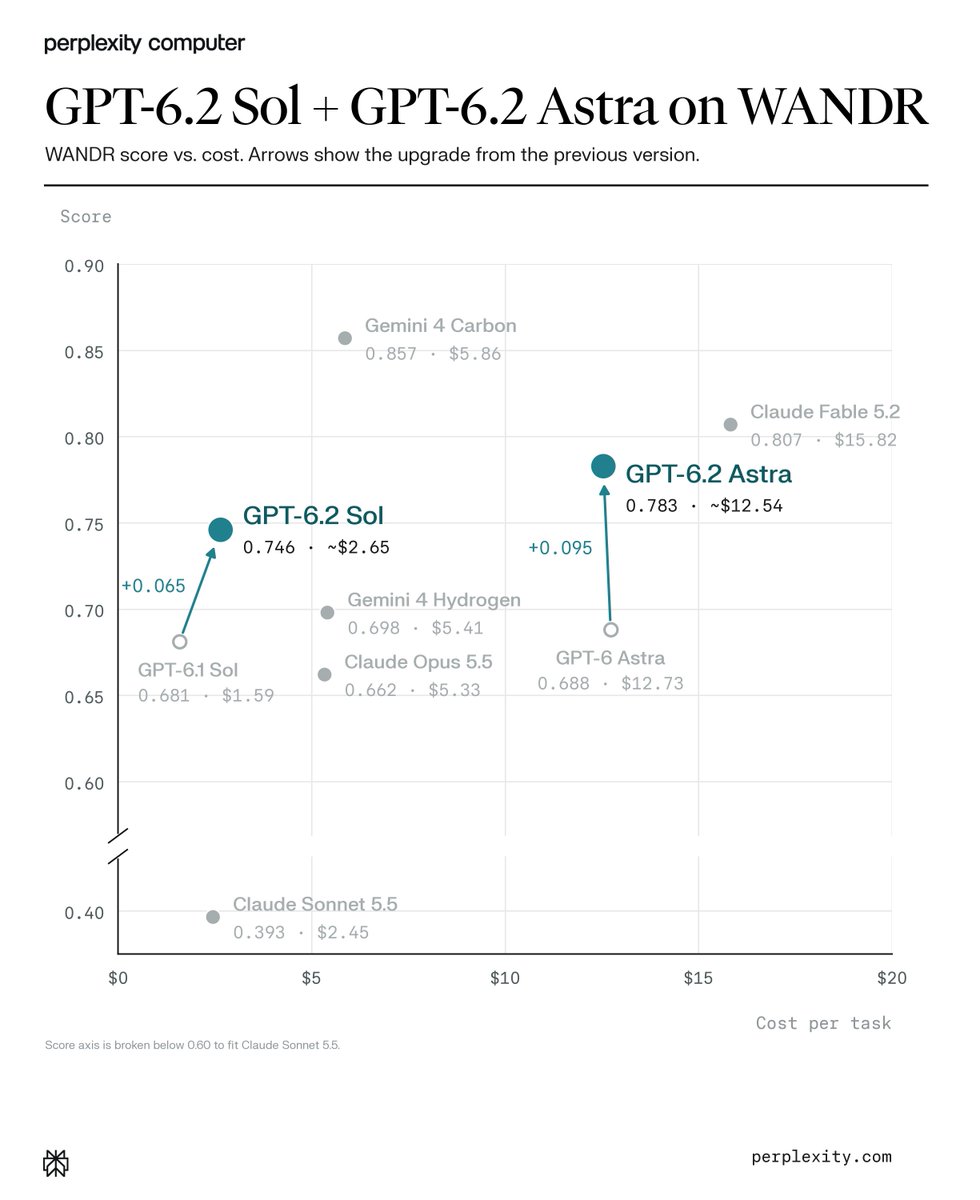
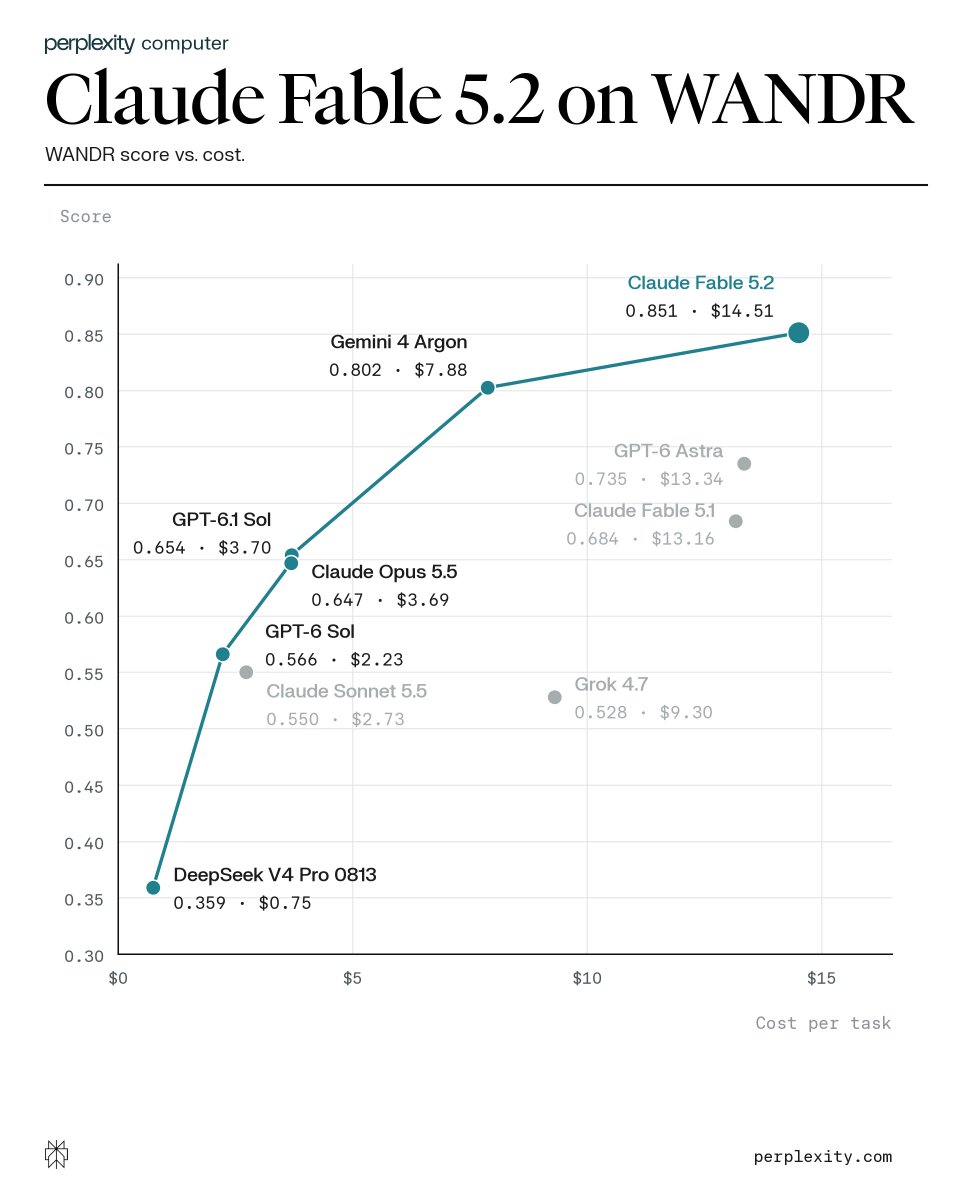
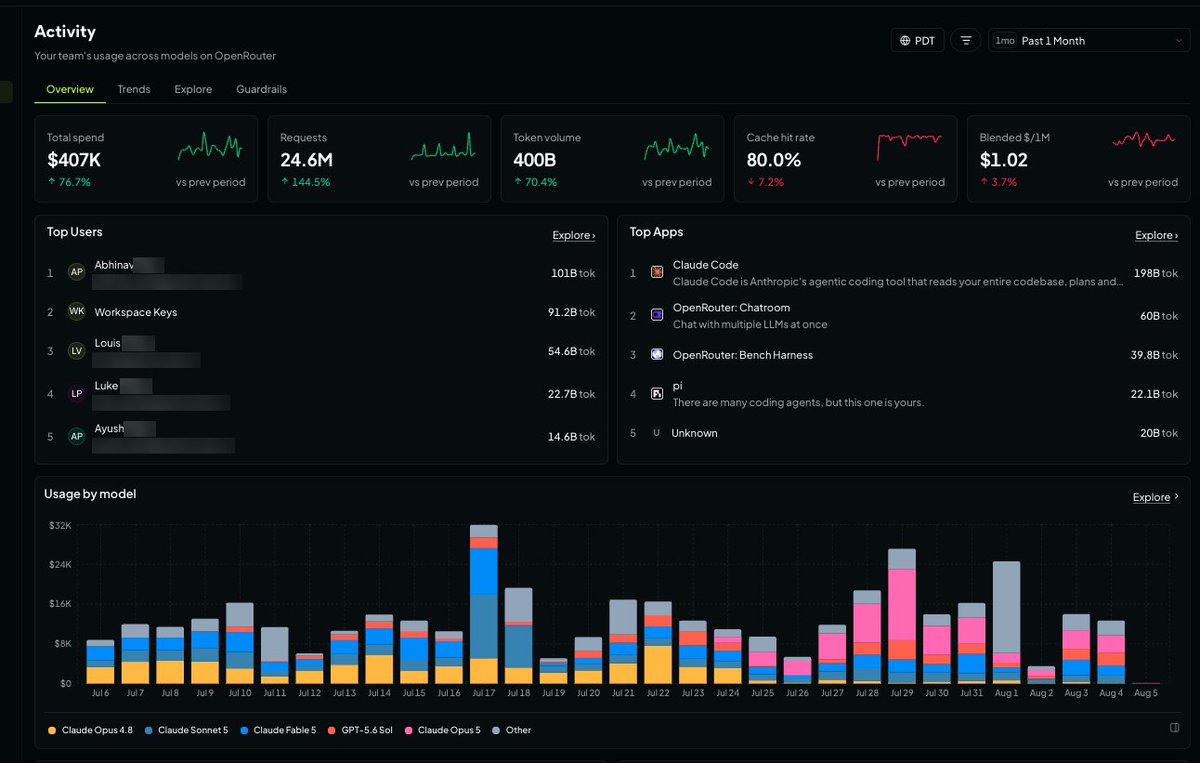
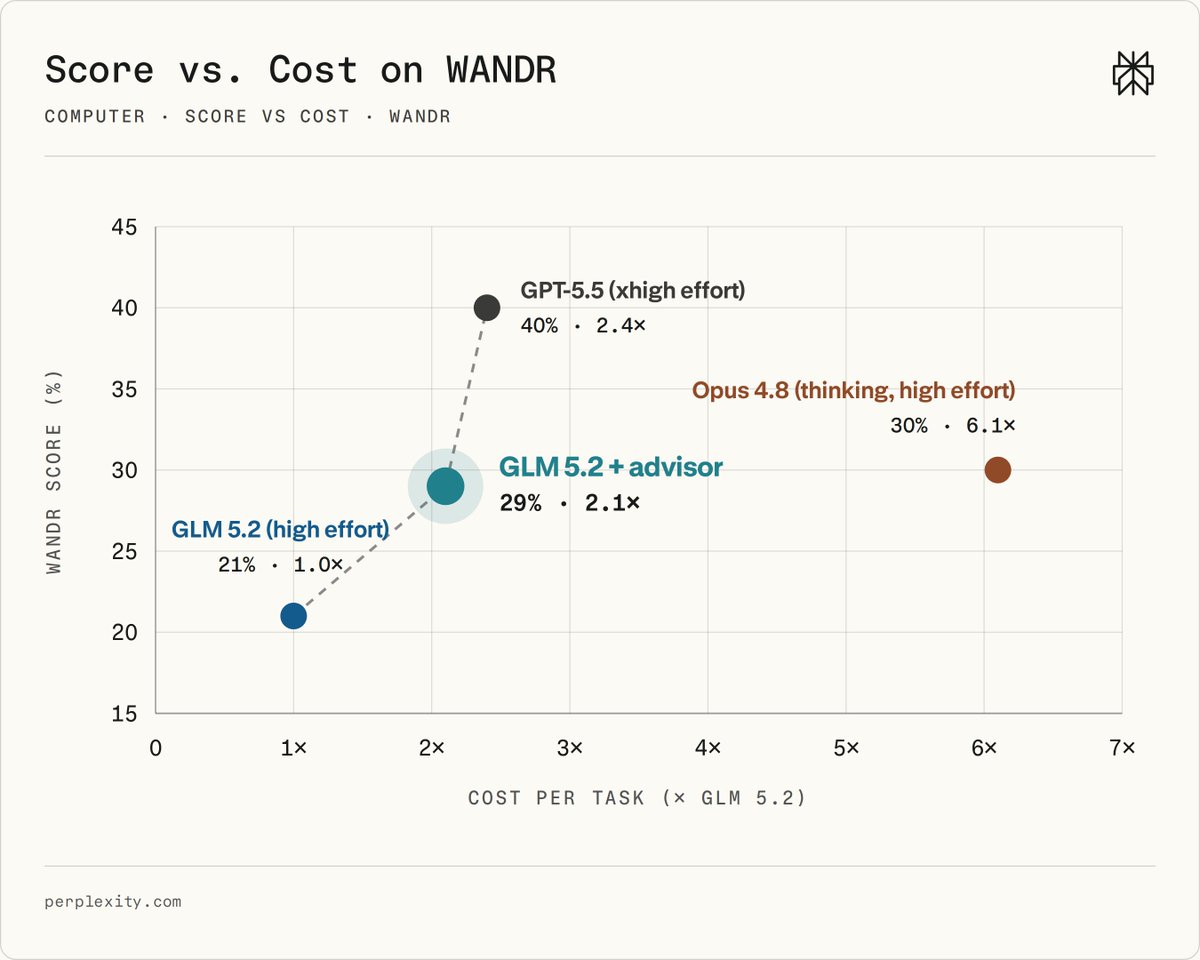
Introducing the Perplexity Orchestrator API. Orchestrator lets you choose the right model for the right task, and automatically selects the provider based on availability, capacity, and latency. All open-weight and proprietary models are in one API with unified billing.

Context
Perplexity's new Orchestrator API lets a developer call models from many labs with one API key and one bill, and it makes two separate routing decisions for each request. One is which model answers. The other is which copy of that model, running on which provider's servers, does the work. Perplexity's launch post puts it as choosing the right model for the right task while the service automatically selects the provider based on availability, capacity and latency.
The developer controls the first decision. According to the quickstart, a request can name a specific model from the catalog, which lists 45 models from seven companies including OpenAI, Anthropic and Google, four of them , meaning their weights are published and other companies can host them. Or the request can name perplexity/auto. In that mode the developer writes routes, each a plain-language description of the requests it should handle paired with a target model, plus a default model for anything that fits no route. A separate decision model reads the conversation and the route descriptions, not the route names or model IDs, and picks one, so the wording of each description is what steers the choice. Existing OpenAI or Anthropic code can switch over by changing the base URL and API key.
The second decision is automatic. The routing and reliability page says a model's traffic is split across its deployments according to observed error rates, capacity and latency, and a request that hits a provider error, rate limit or timeout is retried on another deployment of the same model when one is available. The developer cannot pick the deployment and has no per-provider settings to manage. Billing uses the model's published rates whichever deployment served it, and requests that fail before producing any output are not billed. The trade is one price and fewer outages to handle in exchange for no say over where a request runs. Access depends on the account's usage tier: OpenAI and Anthropic models need Tier 1 or higher, and Claude Opus 5, Opus 5.5 and the Fable models need Tier 2 or higher.
- open weights — A model whose trained parameters are published for anyone to download and run — unlike API-only models you can access but never possess.
- token — The chunk of text a model reads and writes in — roughly three-quarters of a word — and the unit AI usage is billed in.



Checking sign-in…
Loading comments…