SAFE Guidelines for Agentic AI Cybersecurity
- Source
- blogs.nvidia.com
- Author
- Justin Boitano
- Date

Context
SAFE proposes turning confidential reports of AI security incidents and near misses into reusable defensive guidance. NVIDIA's announcement describes a process for collecting evidence, notifying affected organizations and identifying recurring failures in controls. The intended benefit is that an incident investigated inside one organization could help others improve their defenses. Announcement.
The August 4 proposal was a request for community comment. It envisioned reviews across models, tools, runtime environments and human operations, with possible outputs including repeatable tests and detection rules. That establishes a proposed method for shared incident learning, rather than a finished standard or an already operating reporting service. Proposal explanation.
- SAFE (Shared AI Findings Exchange) is a Linux Foundation RFC from the 120+ member Open Secure AI Alliance: confidentially collect agentic AI incidents and near misses, notify those impacted, identify recurring control failures, and publish evidence-based operating recommendations
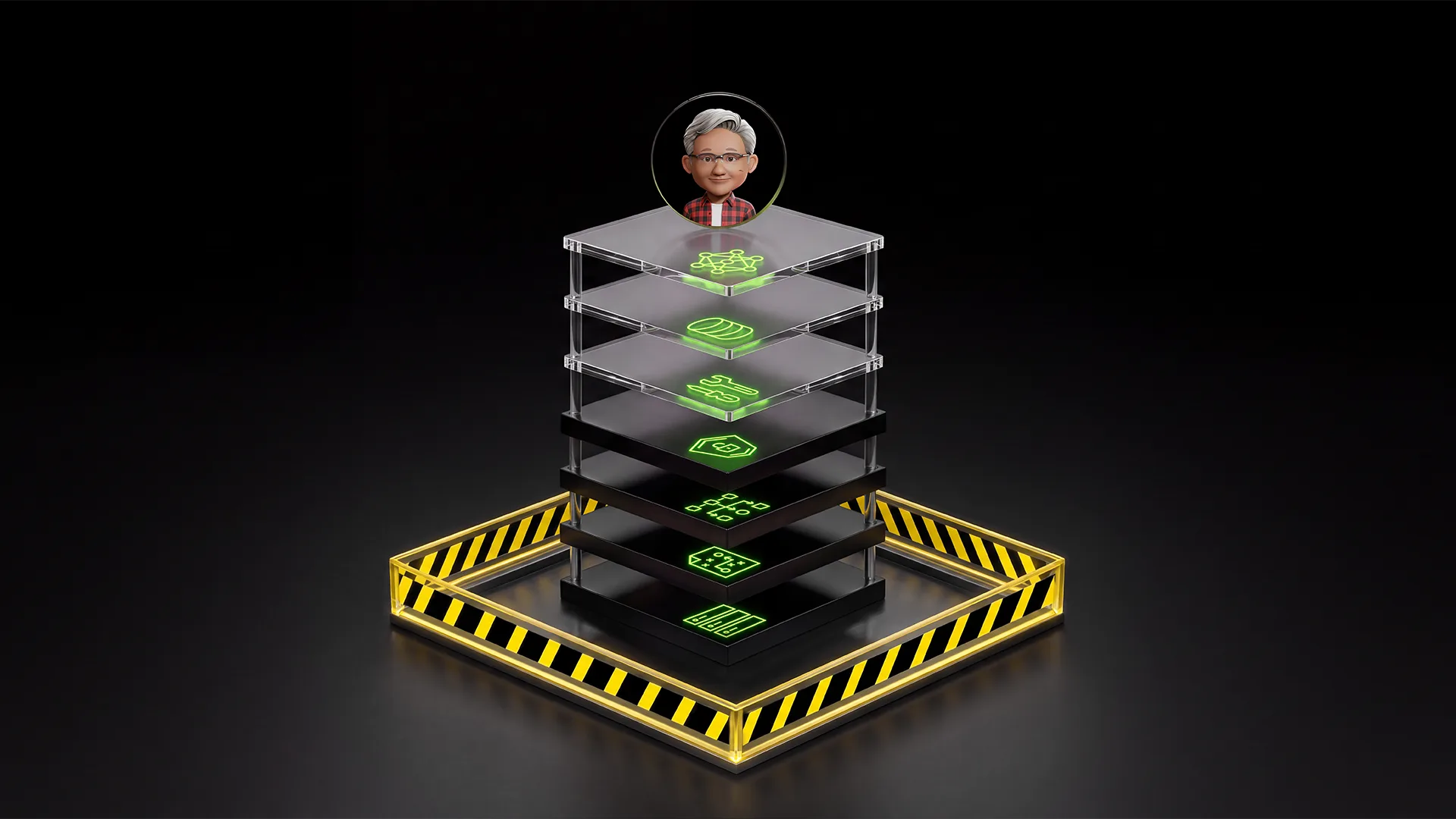
- The framing to steal: an agent is not a model, it is a system - identity, harness, , logs, evaluation - so securing it takes layered controls, not vulnerability scanning.
- The open defensive stack is filling in fast: Okta Cross App Access for agent identity, Amazon Cedar for deterministic authorization, NVIDIA OpenShell runtime sandboxing, Cisco DefenseClaw governance on top of it, and Microsoft PyRIT/RAMPART/Assert for red-teaming and executable s
- Signed, auditable agent skills are emerging as a trust layer: NVIDIA catalogs skills, scans them for and tool poisoning, cryptographically signs them, and documents each with a card.
- Specialized small security models are outperforming generalists: CrowdStrike-tuned Nemotron Nano hit 96% accuracy generating investigation queries and beats much larger models on SOC triage with , auditable confidence.
- guardrails — The checks around a model that block bad inputs and outputs — filters, validators, and permission rules the model itself can't override.
- prompt injection — An attack that hides instructions in content an AI will read — a webpage, email, or document — tricking it into following the attacker instead of the user.
- agent skill — A reusable instruction file that teaches an agent how to do one job well — the procedure, the tools, and what counts as done.
- calibration — How well a model's confidence matches reality — a calibrated model saying "90% sure" is right about 90% of the time.
“Cybersecurity is a race without a finish line.”
“An AI agent isn’t just a model.”
“If a model is the agent’s brain, the harness is the body that takes action by using tools.”
“You can’t secure what you can’t identify.”
 podcast9/18: Frontier Labs and Independent EvaluatorsMTS
 articleWhere Security Fits in an AI Agent StackMichelle Horton
 articleAI Security Priorities: A Field-Wide AgendaGil Gekker, Rachel Steratore, Everett Smith, Asher Brass-Gershovich, Varun Gandhi, Nicole Nichols, Vijay Bolina, Buck Shlegeris, Lisa Einstein, Dan Lahav, Omer Nevo, Sella Nevo
Checking sign-in…
Loading comments…