Browser agents: DOM plus screenshots, and self-correction with AgentQ
- Source
- deeplearning.ai
- Publisher
- DeepLearning.AI
- Author
- Andrew Ng
- Date
Context
A is software that operates a website on your behalf: it logs in, fills out forms, clicks through pages or places an order. In the announcement of the DeepLearning.AI short course Building AI Browser Agents, Andrew Ng explains that these agents decide what to do from two views of a page: a screenshot of how it looks, and its HTML or Document Object (DOM), the structured tree of buttons, fields and links the browser builds. The hard part is length. A task takes many steps with many possible actions at each one, so a single wrong click or misread can carry through everything that follows. The course's introductory video adds that an can get stuck when a page has changed or a pop-up gets in the way.
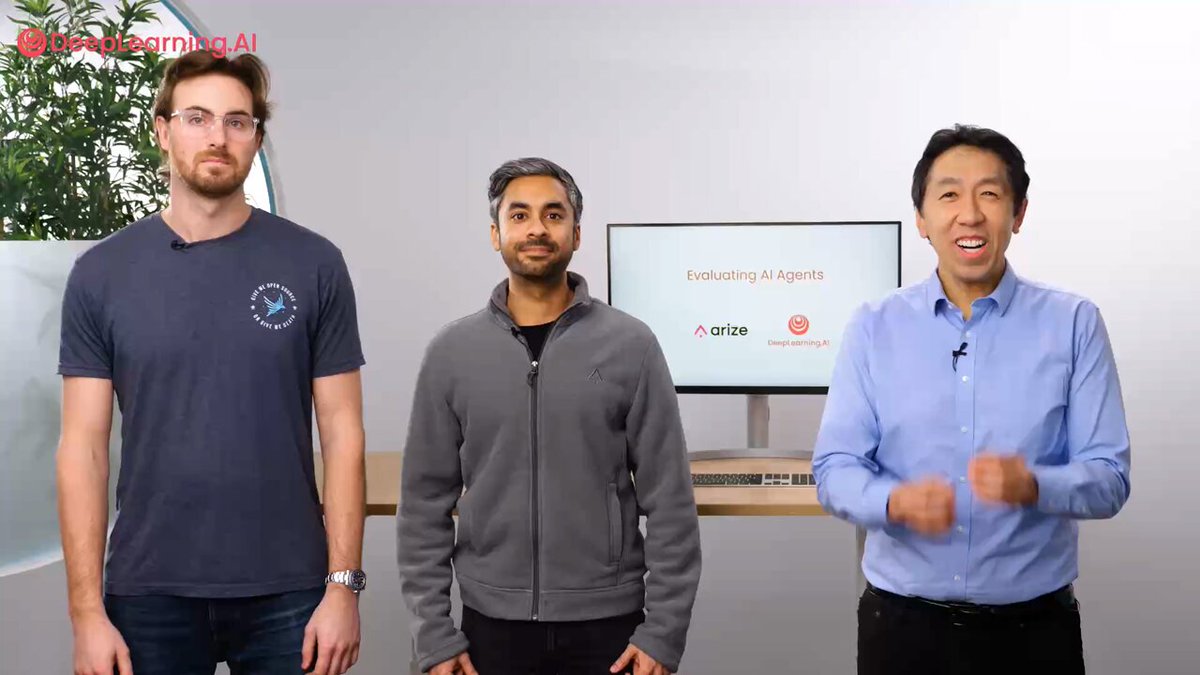
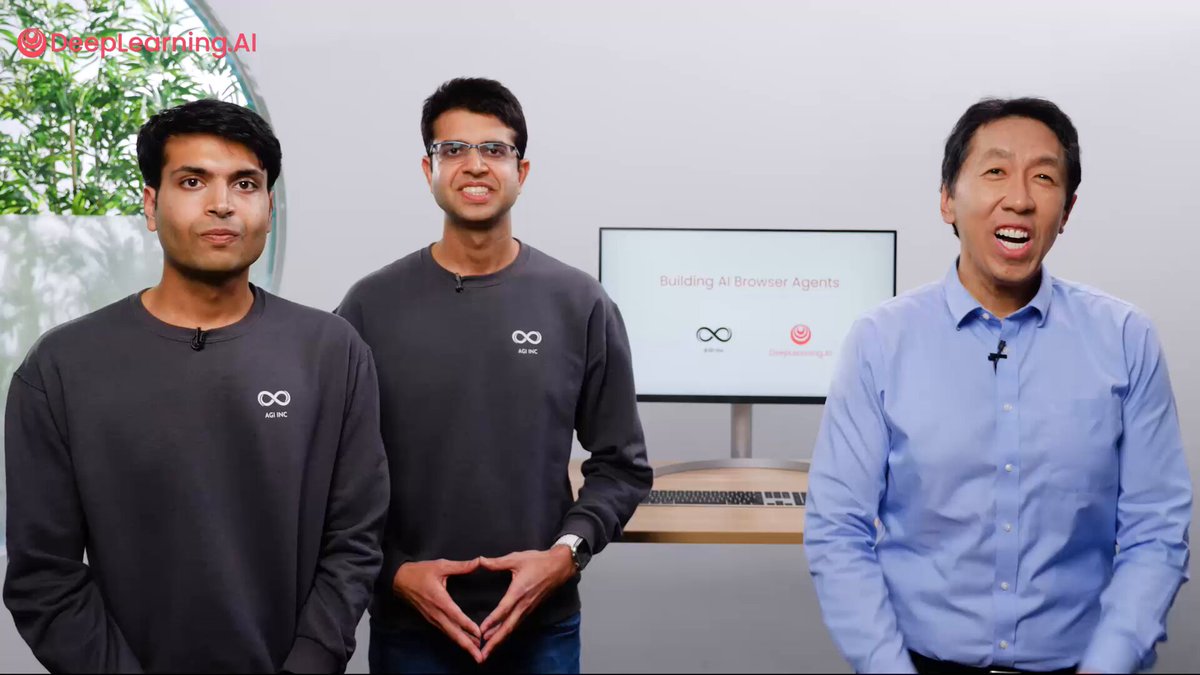
The course, taught by Div Garg and Naman Garg, co-founders of AGI Inc, answers that compounding error with AgentQ, a framework the course page describes as a combination of three parts: Monte Carlo Tree Search (MCTS), a self-critique mechanism and Direct Preference Optimization (DPO). In the introductory video's account, the search explores several possible action paths instead of committing to the first one, AI feedback is gathered on the steps taken, and DPO then fine-tunes the underlying model so it picks better actions in the future. Learners build a simple agent that scrapes the DeepLearning.AI site for course recommendations, then one that summarizes pages, fills out a form and signs up for a newsletter, before running AgentQ on real websites. Neither the announcement nor the course page reports a task-completion rate, so this is a description of the method being taught, not evidence of how much it improves reliability. For the same problem from another angle, see the talk by Derek Meegan of Browserbase, Why 99% Accurate Browser Agents Still Fail.
- Browser automation — Programmatic operation and inspection of a rendered web interface.
- Model — A computational system that uses learned patterns to produce an output from information supplied to it.
- Field — One named piece of a record, such as name or approved_on; a record is one entity's set of values, one per field.
- Agent — A system in which a model repeatedly chooses operations, a harness carries them out, and the results return to the model to inform its next choice.