Claude Code Projects opens to waitlisted Pro and Max users
- Source
- video.twimg.com
- Author
- ClaudeDevs
- Date

Context
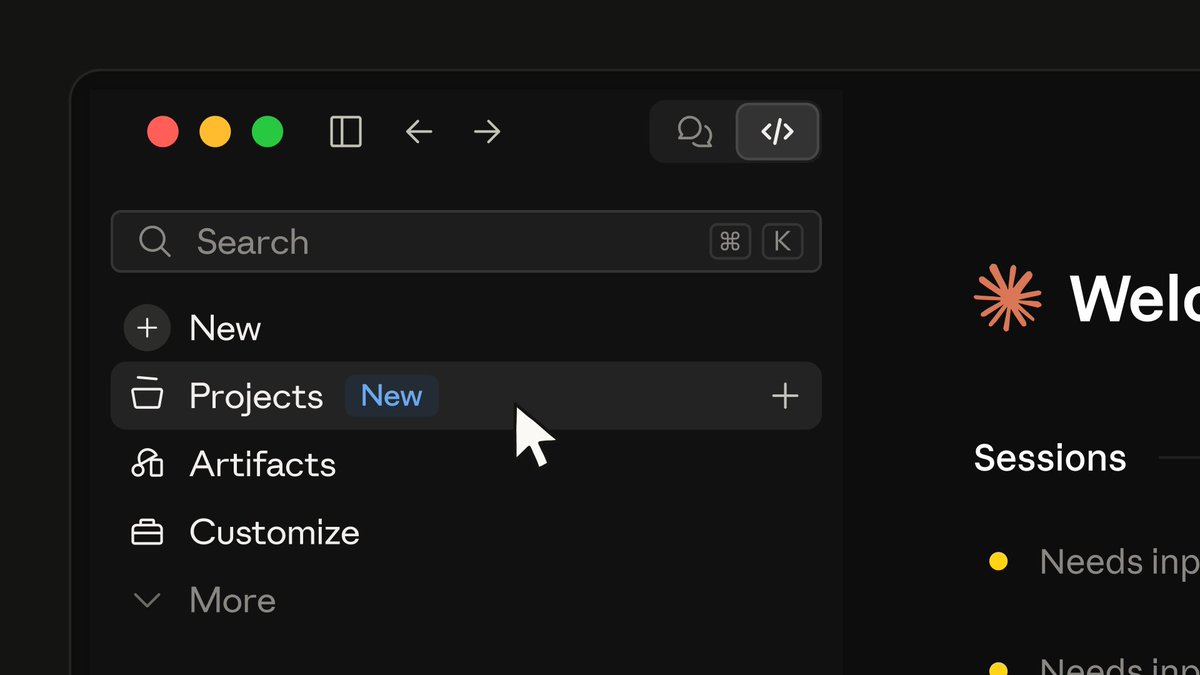
Anyone on a Pro or Max plan who had joined the Claude Code Projects waitlist can now use the feature. Anthropic's ClaudeDevs account said on October 9 that it had let in every Pro and Max user from that waitlist. That is narrower than general availability. Projects launched in September as a beta for select Pro and Max users, and the walkthrough attached to this post still describes it as a beta rolling out gradually to those plans.
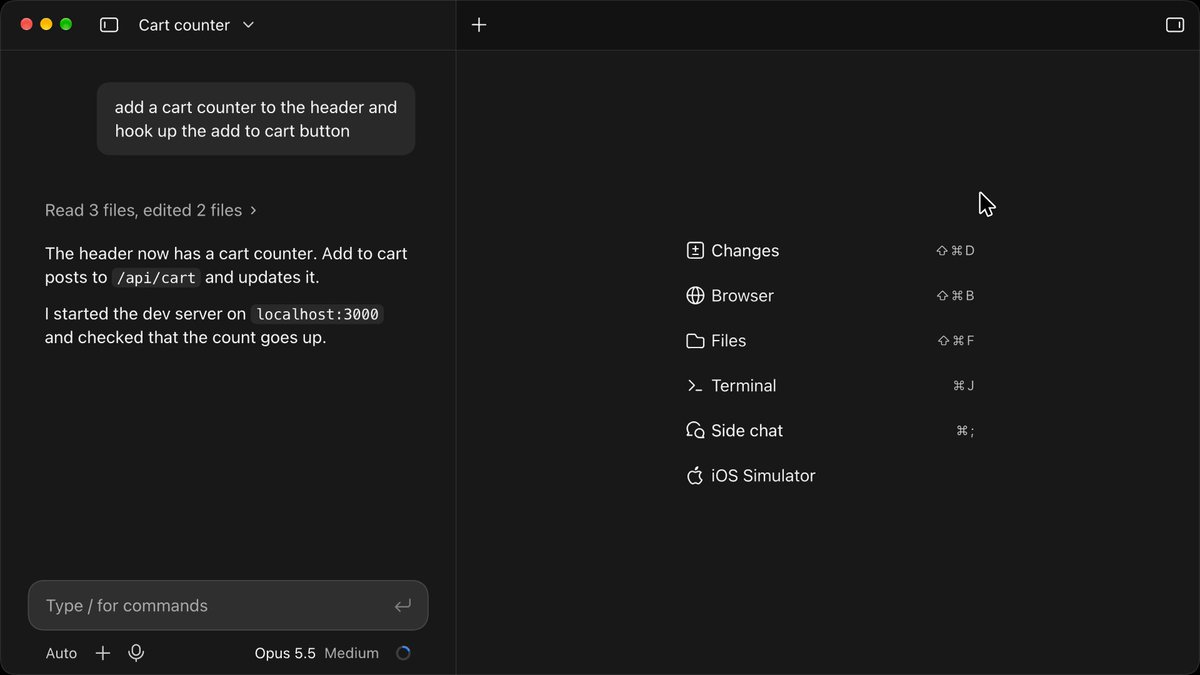
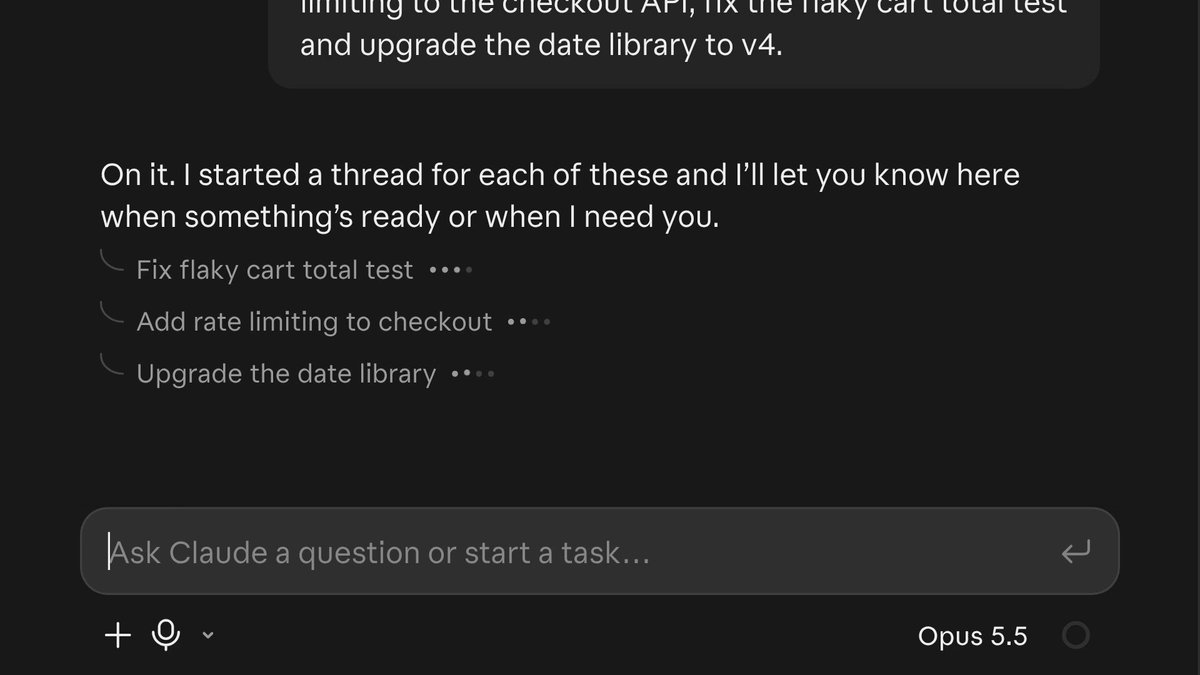
A project is one ongoing conversation in which Claude splits a large goal into tasks and runs each task as a separate thread. According to the four-minute walkthrough video, each thread is its own Claude Code working on its own branch in the cloud, so the work continues after you close your laptop. A thread can run on your own computer instead when it needs local files or tools. When a thread has a concrete change, it opens a pull request, then keeps watching it: it pushes fixes when the repository's automated checks fail and responds to review comments. The video's example is a performance cleanup across a website's repositories, followed by a daily scheduled check that opens a new thread if it finds a regression.
The trade-off the Claude Code team names is usage. Because every thread is a full session and several can run at once, a project uses up a plan's limits faster than a single session. The video suggests setting the and effort level in the project settings and keeping the coordinating conversation on low effort, since it mostly routes work to threads. This account comes from an automatic transcript of the video; its on-screen visuals and the linked documentation were not reviewed here.

Checking sign-in…
Loading comments…