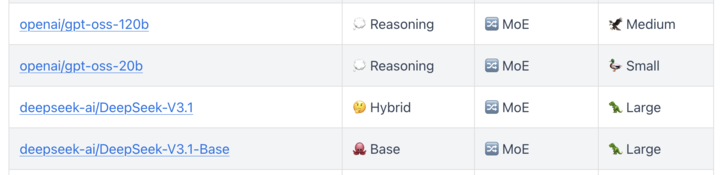
Tinker exposes four API calls (sample, forward_backward, optim_step, save_state) so you can run your own training loop on managed GPUs. This post shows how far that service has grown, including supported models and modalities.
Key takeaways · AI-distilled
Tinker exposes post-training through four API calls (sample, forward_backward, optim_step, save_state): customers keep their own data, loss and reward loop while Thinking Machines manages the GPUs and stores checkpoints.
Thinking Machines says early users were post-training researchers avoiding GPU management, while enterprise customers have since shifted its priorities toward speed, security and inferenceRunning a trained model to get answers — the phase where AI is actually used, as opposed to trained.Full definition →.
Over the year Tinker added autoscaling across models for tens of thousands of concurrent requests, LoRAA cheap way to fine-tune a model by training a small add-on layer instead of changing all of the model's weights.Full definition →-specific kernels, Perfetto debugging and hitless deploys, and migrated to newer GPUs twice with zero downtime, passing efficiency gains on as price cuts.
Terms in this piece · Glossary
inference — Running a trained model to get answers — the phase where AI is actually used, as opposed to trained.
LoRA — A cheap way to fine-tune a model by training a small add-on layer instead of changing all of the model's weights.