Why Kimi K3's Architecture Is a Masterclass in AI Efficiency
Source
AlphaSignalAI
Author
AlphaSignalAI
Date
Terms in this piece · Glossary
mixture-of-experts — A model built from many specialist sub-networks where only a few activate per token, giving big-model capability at small-model running cost.
context window — The maximum amount of text a model can consider at once — its working memory for the current conversation or task.
attention — The mechanism that lets a model weigh which earlier words matter for the word it's currently processing — the core operation of a transformer.
quantization — Shrinking a model by storing its numbers less precisely — like rounding — so it runs faster and fits on smaller hardware, at a small quality cost.
Why it matters
Explains how Moonshot AI keeps a 2.8T-parameter model deployable via LatentMoE compression, a KV-cache-capping hybrid attentionThe mechanism that lets a model weigh which earlier words matter for the word it's currently processing — the core operation of a transformer.Full definition → scheme, and aggressive quantizationShrinking a model by storing its numbers less precisely — like rounding — so it runs faster and fits on smaller hardware, at a small quality cost.Full definition → down to community 1-2 bit GGUF — concrete architectural patterns engineers building large mixture-of-expertsA model built from many specialist sub-networks where only a few activate per token, giving big-model capability at small-model running cost.Full definition → systems can study and reuse.
Key quotes
“Kimi K3 is a multimodal Mixture-of-Experts (MoE) model with 2.8 trillion total parameters. Through extreme sparsity, only about 104 billion parameters activate per token, roughly 16 out of 896 experts. It natively supports a 1 million token context window.”
Ben Dickson
“Moonshot AI recently released the weights for its flagship Kimi K3 model, making it the largest open-weights LLM to date, rivaling Opus 4.8 and GPT-5.6.”
Ben Dickson
“on the AA-Briefcase benchmark it places second overall, trailing only Claude Fable 5, and beats both GPT-5.6 Sol and Opus 4.8 in that category”
Ben Dickson
“You cannot spin up 2.8 trillion parameters efficiently without innovations at every level of the stack.”

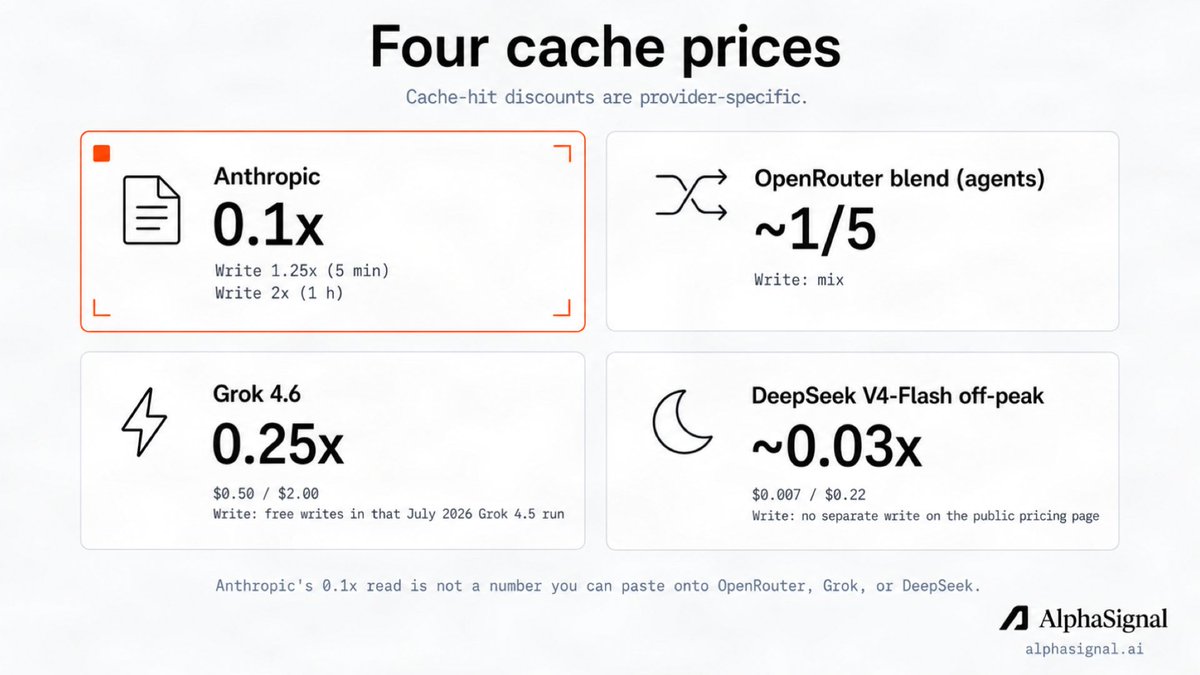 postPrompt cache TTL is the hidden line item in long coding-agent sessions
 articleFull breakdown: Claude-only apps often wait until the host speaks the new revisi
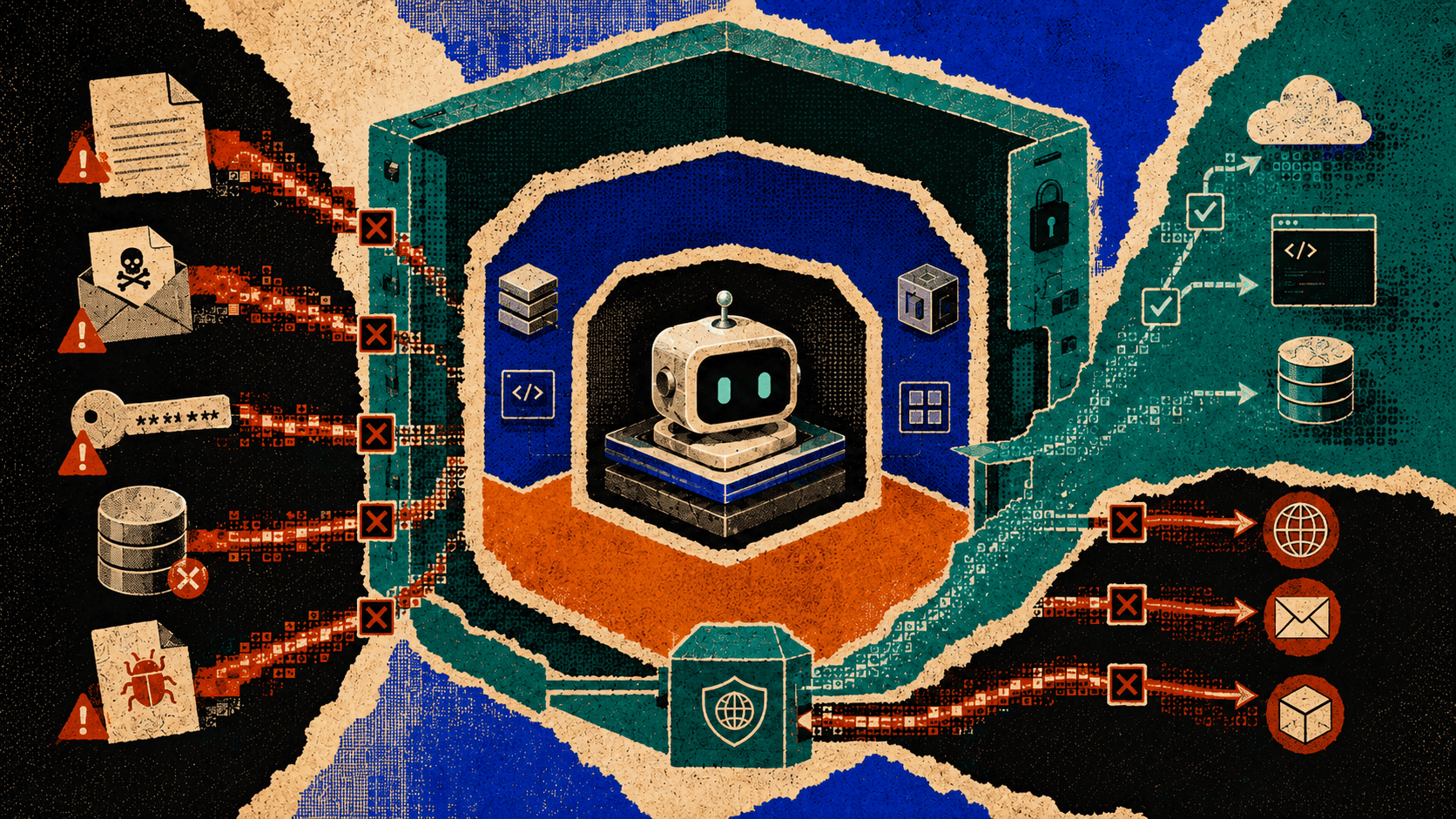 articleDo not ask whether the agent follows the rule. Ask what stops it when it does no
 articleFull Breakdown: When can a change ship unread? When something cheap and hard to