The October inflection point for vibe game development
Source
simonwillison.net
Date
Why it matters
Shows concretely what current models can do for game development without code review, including a simple prompting pattern that improved gameplay. Helps you judge where agent-built games are now viable.
Key takeaways · AI-distilled
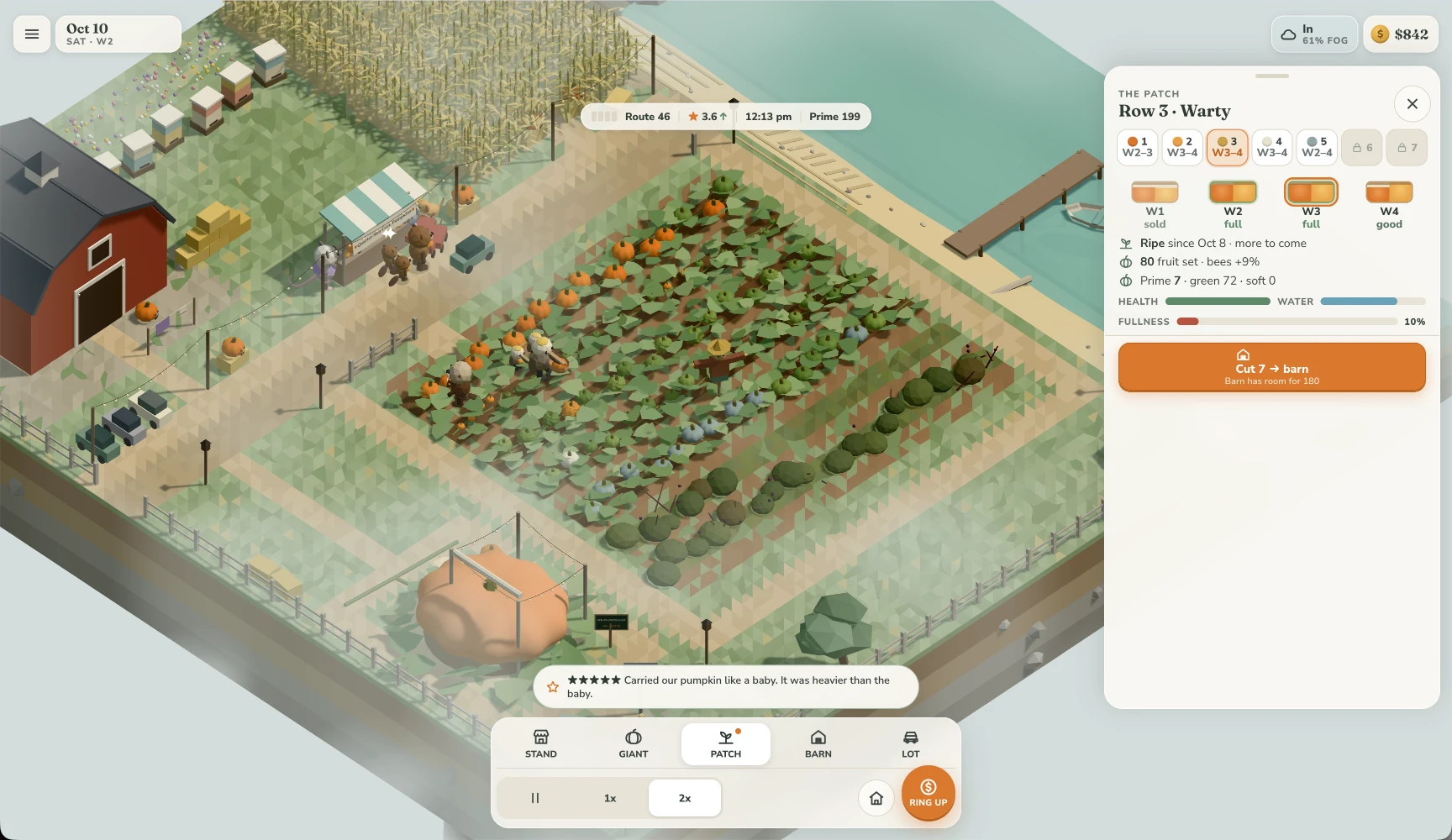
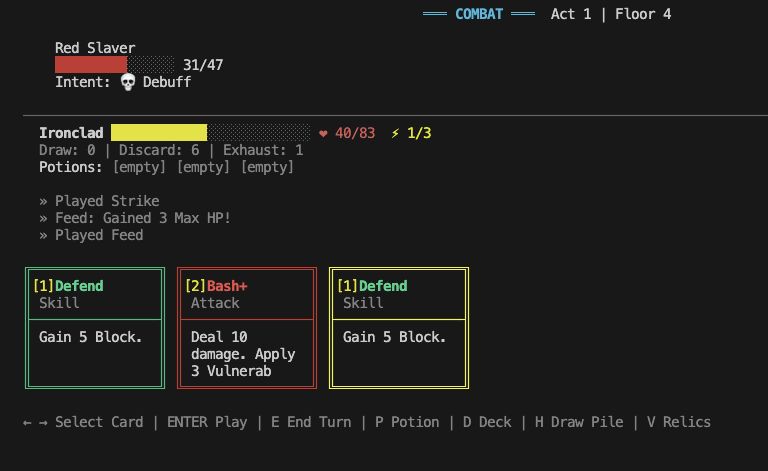
Simon Willison argues October 2026 is an inflection point for vibe-coded games: models could long produce something that looks like a game, but Claude Opus 5.5 can now make one fun. He found telling it to 'Make it a LOT more fun' transformed his RTS, Battle Drones.
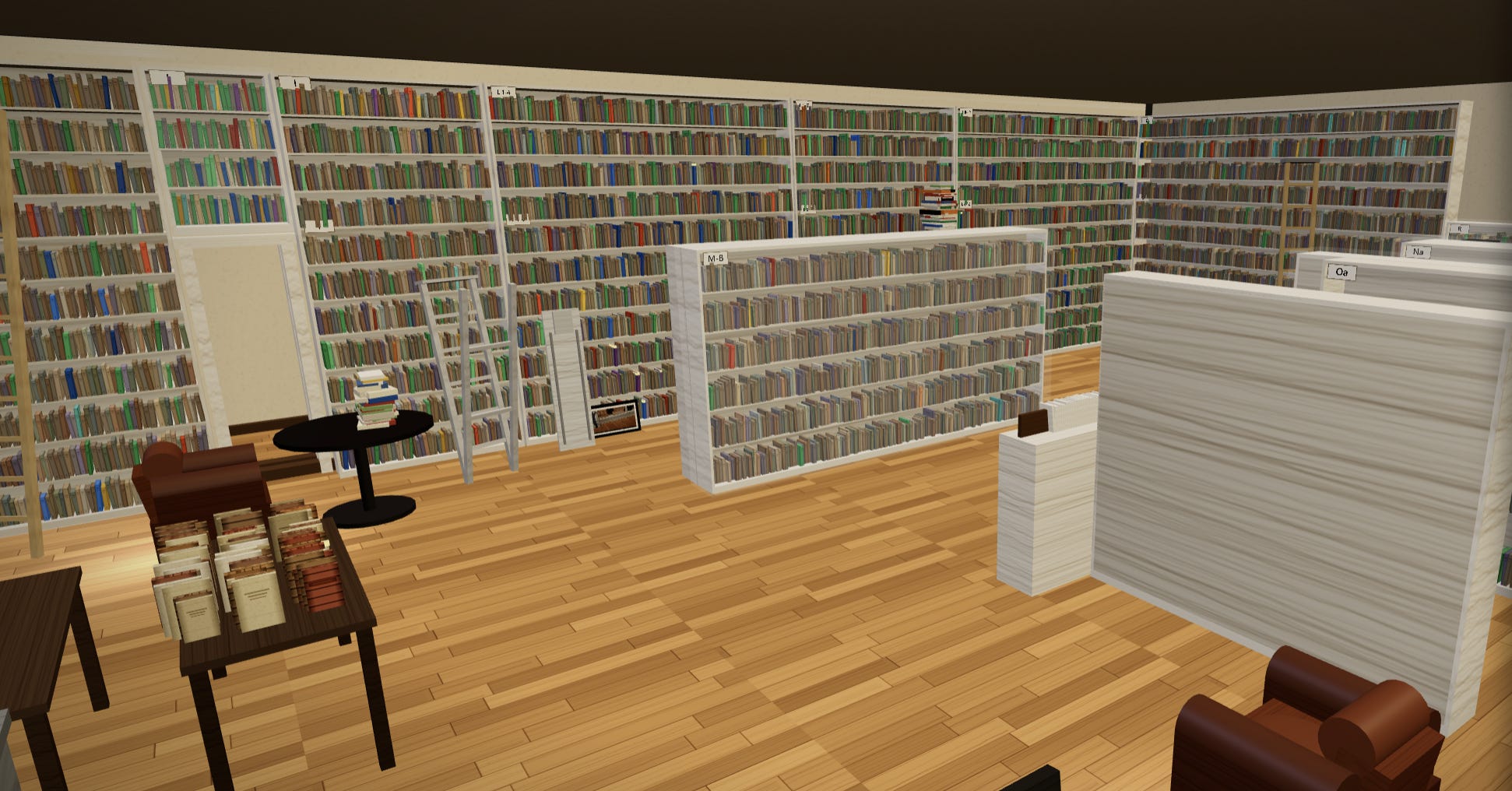
His four games are plain HTML and JavaScript hosted statically, and he finds asking for three.js works well: Claude has no image model but builds full-color 3D models in code. His smallest game, Tree Appreciator, came from one prompt in regular Claude chat with no iteration.
His RPG Emberwick needed extra playtesting for story-logic bugs, such as a character being elsewhere when a quest needed them. Running the same prompts through GPT-6 Pro produced a game that looked great but, in his view, played far worse.
None of the projects took more than four hours of his own work, plus many more hours of the AI agentAn AI system that doesn't just answer once but works toward a goal in a loop — taking actions, reading the results, and deciding what to do next.Full definition → running alone. He expects a split, with some players rejecting games whose code, art, music, dialog and design all came from models, and says he will not enter them in game jams.
Terms in this piece · Glossary
vibe coding — Building software by describing what you want to an AI in plain language and steering the result, instead of writing every line yourself.
AI agent — An AI system that doesn't just answer once but works toward a goal in a loop — taking actions, reading the results, and deciding what to do next.