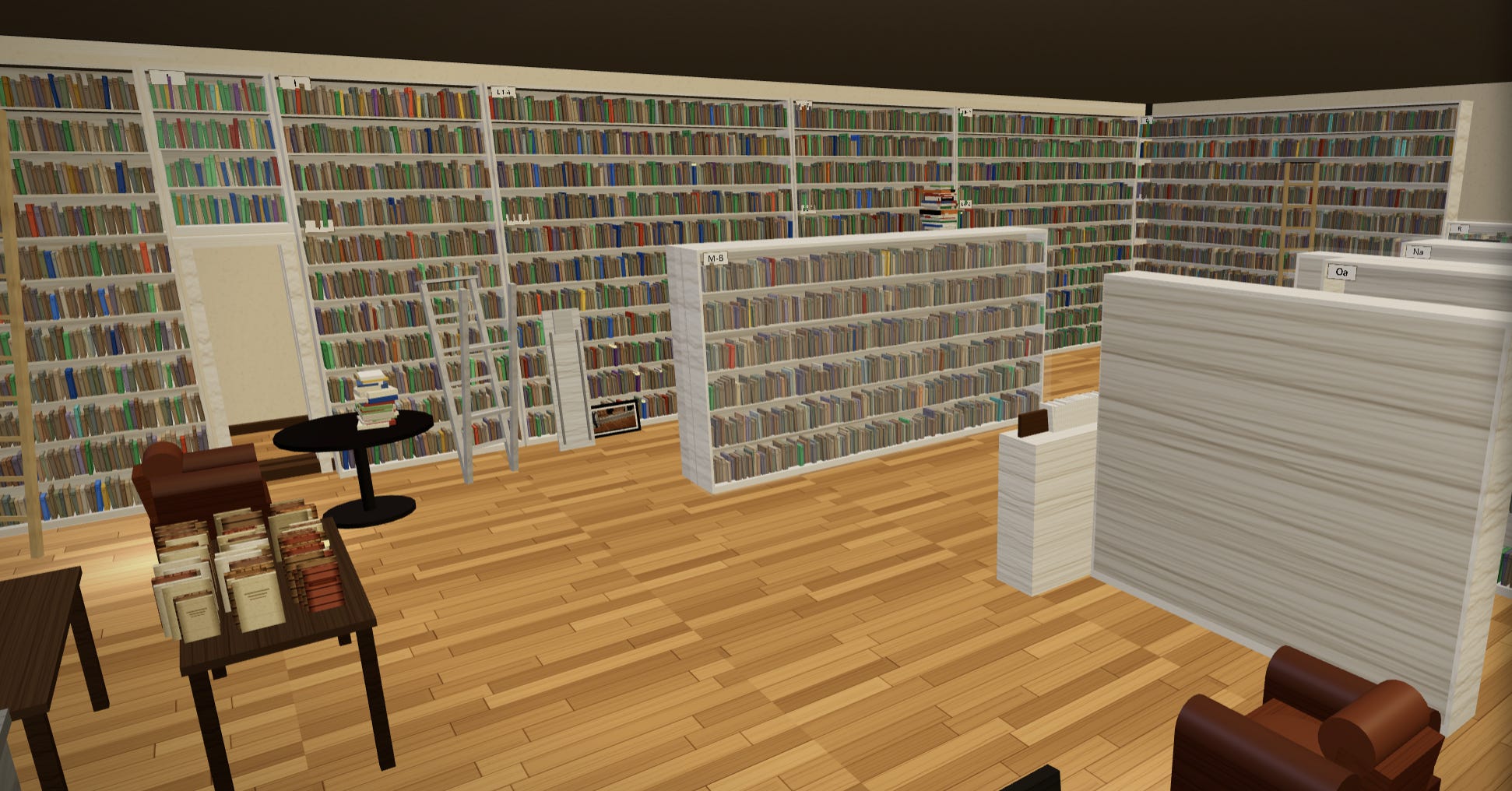
Mollick had GPT-6 Astra reconstruct Umberto Eco's ~30,000-book Milan library in 3D with no floor plan, using only a dozen videos and photos; it read spines frame by frame and placed about 5,000 identified books among 27,000 shelf slots, each marked certain, guess, or unknown.
Asked only for a book trailer 'from an AI's perspective,' GPT-6 Astra chose on its own to open Blender, build a 3D animated scene, write a script with jokes, and generate voice, music, and sound effects, delivering a finished short film about 45 minutes later.
Told to redo it as a 30-second action trailer, the model reused its own Blender animation as a storyboard, then operated a browser-based video generator and edited the generated shots into the final cut, chaining tools it wasn't explicitly told to use.
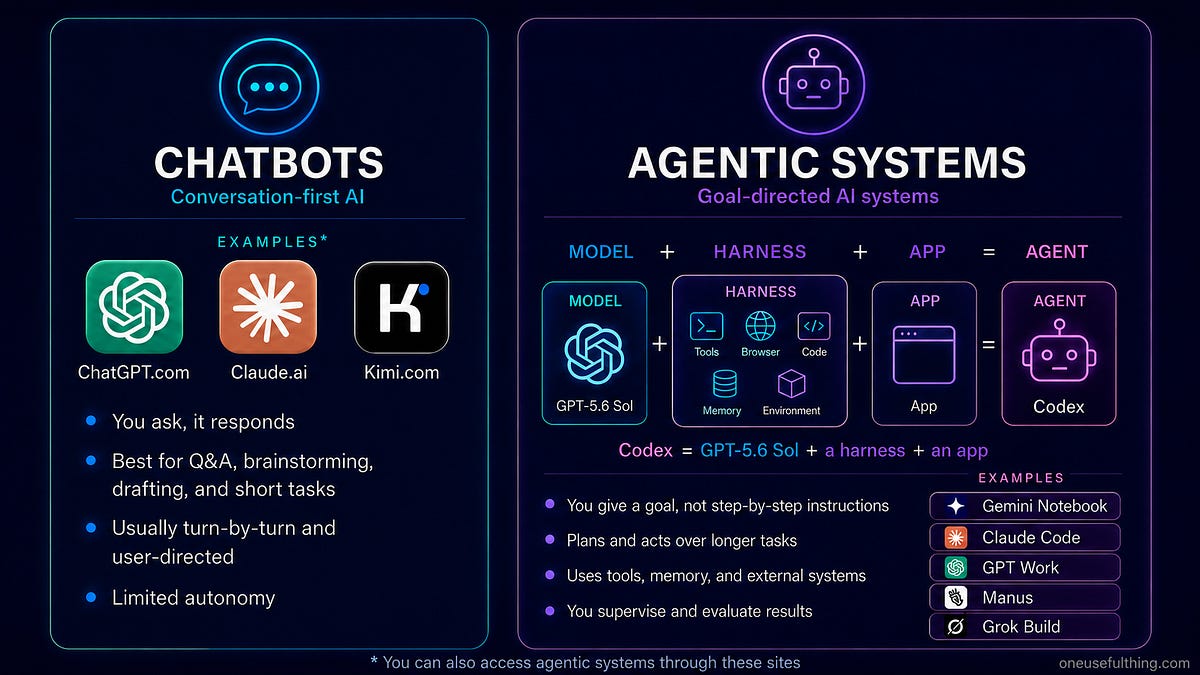
Mollick frames the real risk as a 'capability overhang': models like GPT-6 Astra and Fable 5.1 already do weeks of guided human work, but most people, including him, don't know what they can do; he didn't know GPT-6 Astra could operate Blender until it did.
Why it matters
Mollick argues the practical gap isn't waiting for future models but harnessing current ones, illustrated by having GPT-6 Astra convert the text-only 1977 game Zork into a full 3D action-adventure, including inventing visuals and combat mechanics from prose alone.