OpenWorker: an open-source, model-agnostic desktop agent with governed actions
- Source
- github.com
- Publisher
- Andrew Ng
- Author
- Andrew Ng
- Date
Context
OpenWorker is an open-source desktop agent that acts on your files, terminal and connected apps such as Slack, Gmail and GitHub, and its README describes in detail how it limits what that agent can do without you. Andrew Ng, who announced it in July 2026 and is building it with Rohit Prasad, describes it as an agent that delivers finished work, such as a document or a sent message, and checks in before anything consequential.
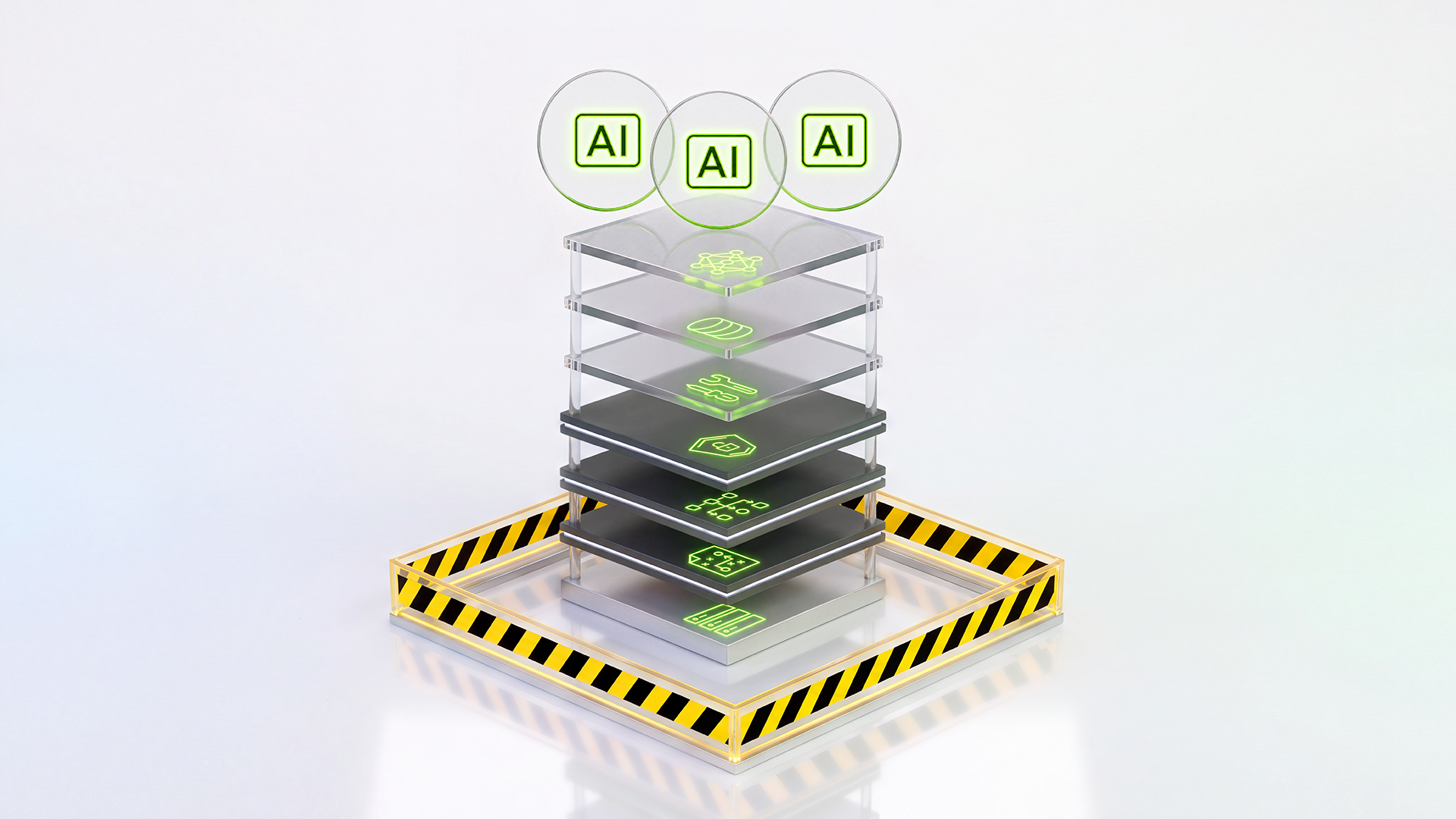
The README describes several layers. Writes, sends and commands need approval by default. A set of dangerous or irreversible operations always goes to a human, even in full auto-approve mode. Approvals can graduate step by step into standing rules, and in auto-approve mode a reviewer model passes routine actions and escalates uncertain ones; the README itself calls those verdicts "judgments, not guarantees." Every is logged with who or what approved it. Commands can also run in a sandbox, such as an NVIDIA OpenShell container, that holds only the session's folders, no keys and an allow list of network hosts, so a that reaches a command "lands in a box that holds nothing."
Users bring their own key for providers including OpenAI, Anthropic and Google, or run local models through Ollama, and the README says data leaves the machine only through the model and integrations the user picks. The engine is built on aisuite, a lightweight Python library that offers one chat-completions interface across many model providers. These safeguards are the project's own design description for a beta release, not an independent security test.
- Terminal and shell — A text interface for navigating files and running programs.
- Tool call — Text the model generates in an agreed format that names a tool and gives its inputs.
- prompt injection — An attack that hides instructions in content an AI will read — a webpage, email, or document — tricking it into following the attacker instead of the user.
- Model Context Protocol (MCP) — A published agreement for an AI application to discover what a separate program offers and ask it to run one of those offerings.