Astra 6.2 in practice: great output, constant redirection
- Source
- x.com
- Date

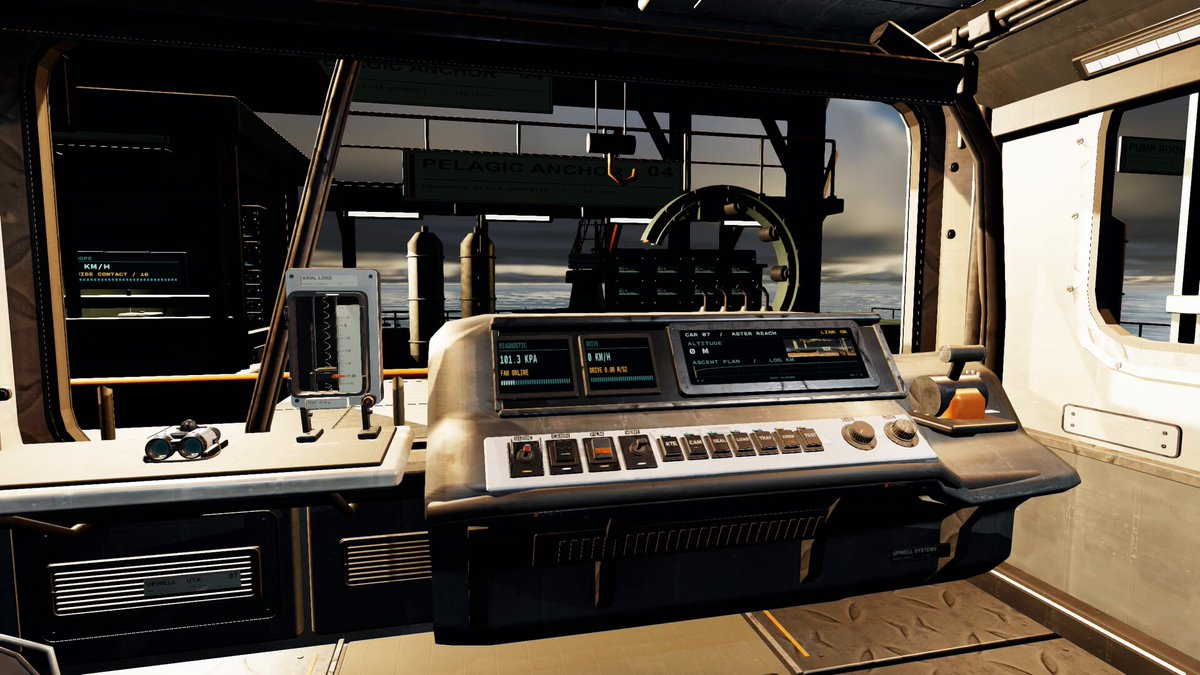
An illustration of both the power and issues with Astra 6.2 in a way that might be accessible: I asked it to create a game in Blender and Unity where you are the pilot of a Coast Guard cutter who travelled back in time to the War of Independence to stop the British invasion of New York. It made incredible 3D models and a working game with no errors - its even fun to play! But Astra got obsessed with random ideas that didn't make a lot of sense and built them out without asking along with following my instructions: you could put down false buoys to lure the ship in the wrong direction (like the British would understand a modern buoy?) or you could persuade the British ships to go the wrong direction by talking to them, or that you would spend your time rescuing sailors from other parts of the harbor. It didn't even initially have a shooting mechanism until I pointed it out. This is all kind of minor stuff individually, but it was frustrating to have the AI constantly do its own things without telling me, given its instincts were often off, and then have to redirect it constantly. Other models, including GPT-6 Asta, didn't require the same struggle to control and operate. And these…

Context
In Ethan Mollick's worked example, GPT-6.2 Astra was hard to steer because it added its own ideas without saying so while missing an obvious one, so he had to keep redirecting a model whose finished output was otherwise excellent (Mollick). He asked OpenAI's new model to build a game in Blender, the 3D modeling program, and Unity, the game engine, in which the player pilots a Coast Guard cutter sent back in time to stop the British invasion of New York in the War of Independence. It produced 3D models he calls incredible and a working game with no errors that he says is fun to play.
Alongside his instructions, though, it built mechanics nobody asked for: dropping false buoys to lure British ships off course, which he notes the British would not have understood, persuading enemy ships to turn by talking to them, and rescuing sailors elsewhere in the harbor. The game had no way to shoot until he pointed that out. Mollick calls each problem minor; the frustration was that the model kept acting on instincts that were often wrong without telling him, which turned the session into repeated correction. He says other models, including the earlier GPT-6 Astra, did not need that struggle, and that the same issues show up in academic research and other serious work, though the post gives no examples of either.
This is one user's illustration rather than a measurement, and the attached video was not analyzed beyond a speech transcript containing only a short radio call and music. It is also not the only way the model's judgment has been reported to go wrong. On Epoch AI's real-work tasks, GPT-6.2 Astra erred in the opposite direction, leaving out estimates in a data center analysis because it wanted a separate source for every number. Different tasks drew out different failures, so the shared point is that the model's choices about what to do on its own need checking, not that it always overreaches.

Checking sign-in…
Loading comments…