Why would anyone pay for that much compute? Inference is unbelievably profitable
- Source
- x.com
- Publisher
- SemiAnalysis
- Date

Elon shocked the world again on SpaceX's first earnings call: 6-8GW of incremental datacenters in 2027 alone, possibly well above 10GW. Sounds impossible, but we believe it. We see SpaceX on track for ~10GW by year-end 2027, and a path to $300B ARR. (1/5)🧵
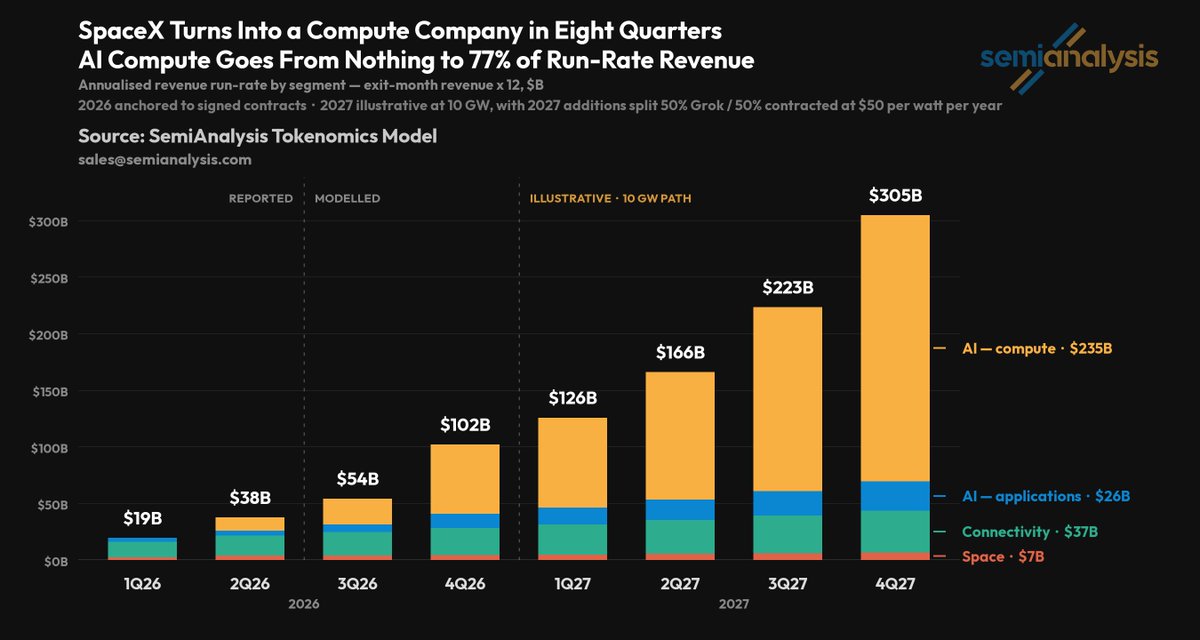
Why would anyone pay for that much compute? Inference is unbelievably profitable. Our Tokenomics Model and Inference Simulator show OpenAI and Anthropic can each generate over $100B/GW/year selling API inference on a GB300 cluster, vs ~$12B/GW/year of rental costs. (2/5)

Context
SemiAnalysis argues that companies will pay for an enormous datacenter buildout because selling access to AI models brings in far more than the hardware costs to rent. In the second post of a thread, the firm says its Tokenomics Model and Simulator show OpenAI and Anthropic can each generate over $100 billion a year per gigawatt of GB300 capacity by selling inference through their APIs. Renting that capacity costs about $12 billion per gigawatt per year, so the revenue figure is more than eight times the rent.
The claim answers the question raised by the thread's opening post. According to SemiAnalysis, Elon Musk said on SpaceX's first earnings call that the company would add 6 to 8 gigawatts of datacenter capacity in 2027 alone, possibly well above 10, with capacity counted in gigawatts of electrical power. SemiAnalysis says it believes the plan, expects SpaceX to reach about 10 gigawatts by the end of 2027, and sees a to $300 billion in annual recurring revenue. The inference economics are its reason to think buyers will exist for that much compute.
The figures support less than the thread's word “profitable” suggests. They are outputs of SemiAnalysis's own models, not reported earnings, and they set potential revenue against a single cost, renting the hardware. The first two of the thread's five posts do not the assumptions behind the estimate or any other costs of running the business, so the gap they show is a revenue-to-rent ratio, not a profit margin. SemiAnalysis's longer report on the buildout, SpaceX 10GW in 2027, sets out the wider argument, including its view of who will buy the capacity.
- Inference — Using a trained model to produce an output from a supplied input.
- Path — A description of a file or folder location, written using directory names and separators.
- API — Application programming interface: the agreed set of operations, inputs and outputs through which one piece of software uses another.
- State — Information describing a system at a particular moment, such as its current text, settings or saved records.
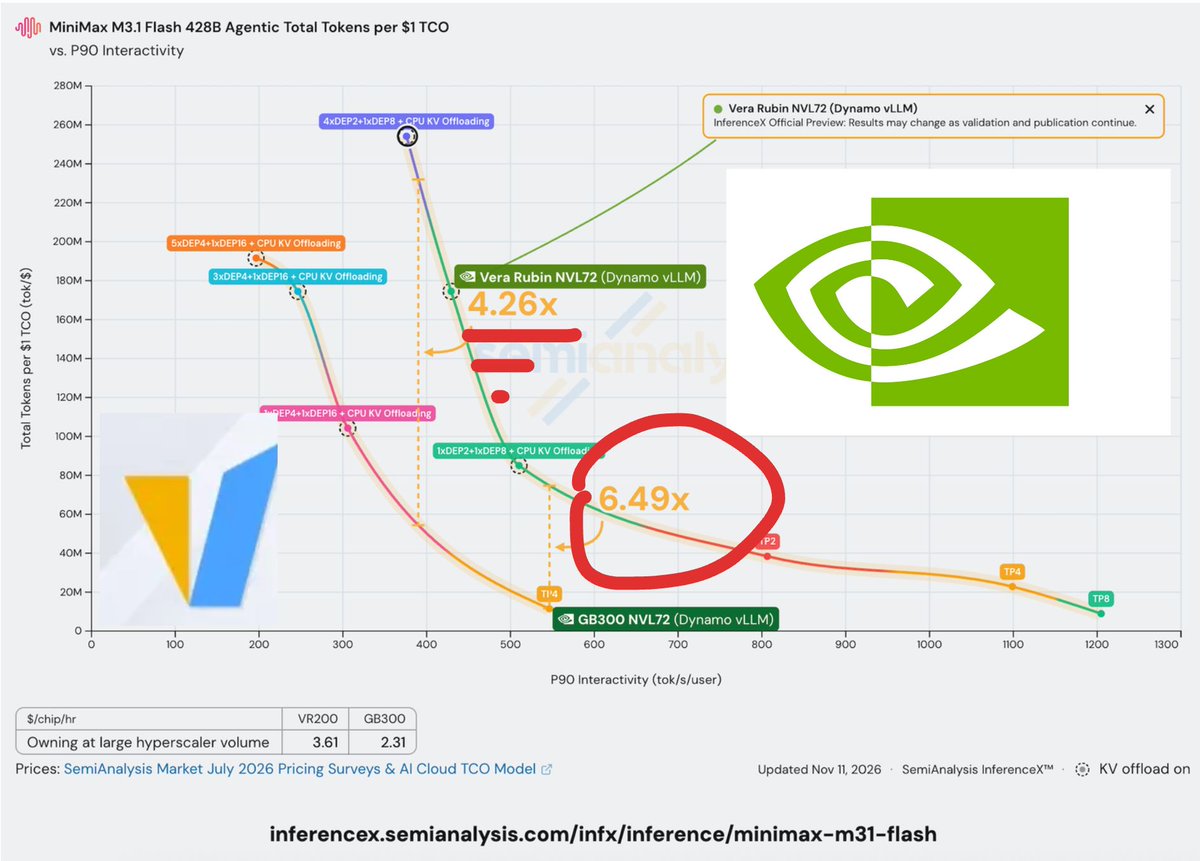
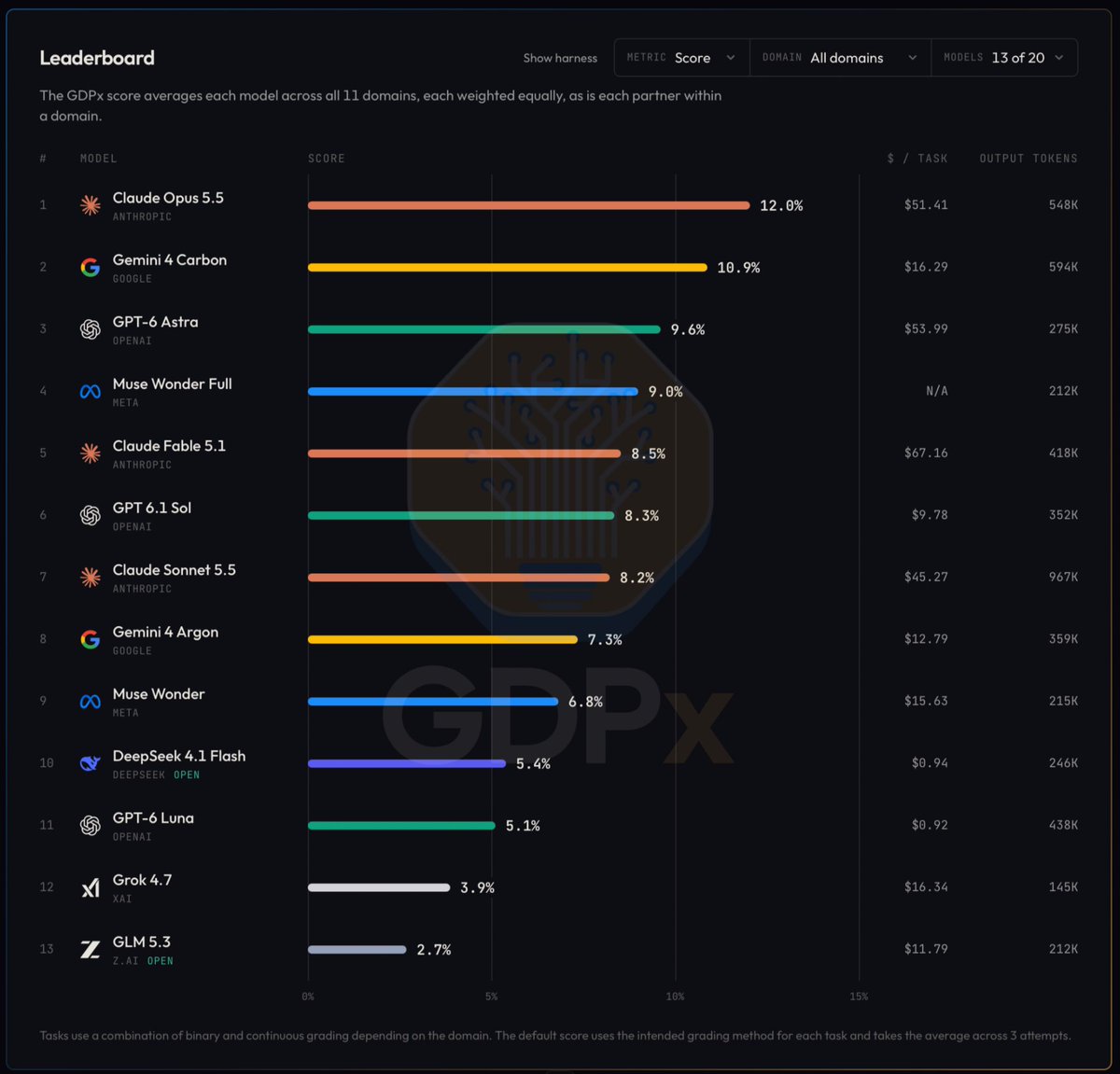
 articleSpaceX 10GW in 2027 – Why It’s Real, Will Drive $300B ARR for SpaceX, and Why Microsoft Will Be the Largest OfftakerJeremie Eliahou Ontiveros
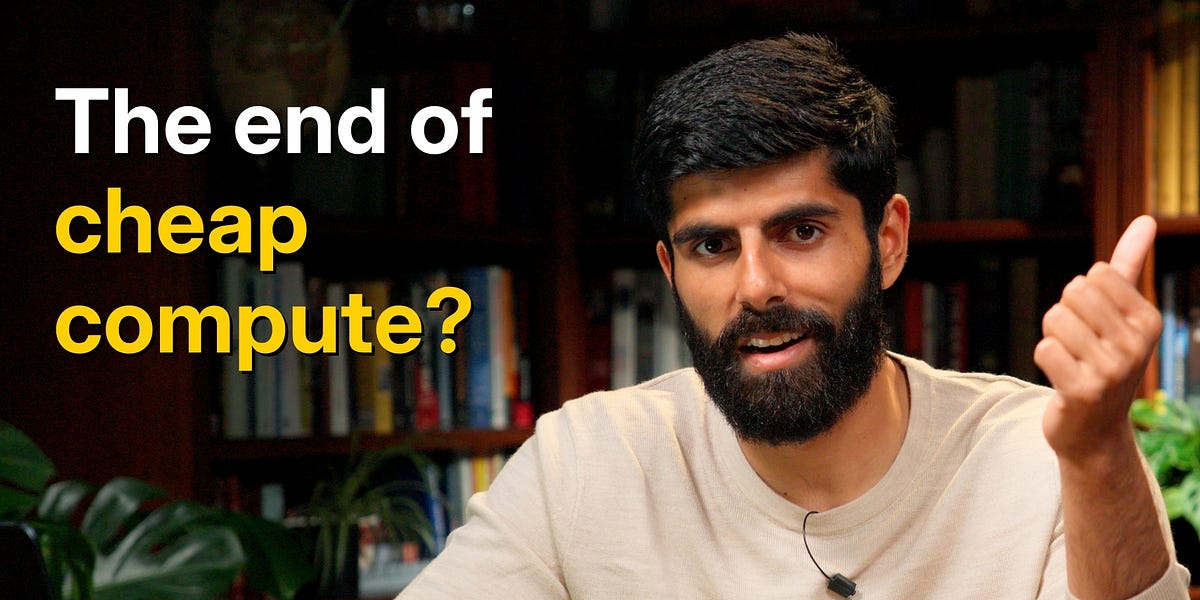 podcastWhy Smarter AI Models Could Drive Up Compute Prices 10xDwarkesh Patel
 videoDylan Patel — The single biggest bottleneck to scaling AI computeDwarkesh Patel