Meta: mathematicians use Muse Spark on open problems, six papers
- Source
- x.com
- Date
Following gold-medal-level performance from our AI models across five competitions in mathematics, physics, and chemistry, we asked a harder question: can AI contribute when a problem is genuinely open and without an existing solution path? Over the past several months, mathematicians worked with Muse Spark 1.1 and Muse Spark 1.2 in Thinking Mode through the regular https://t.co/wHkMPH82ZH chat interface, with no custom research scaffold, to find solutions to such problems. Our goal wasn't to mass-produce papers, but empower researchers. Every collaboration followed the same principles: mathematicians guided the research, a second group of mathematicians then reviewed the work, each paper marks which passages were drafted primarily by humans or AI, and each credits the prior research it builds on. Where other teams independently announced solutions to the same problems, we acknowledge their work as well. Today, we're sharing six papers from that collaboration. 🧵👇
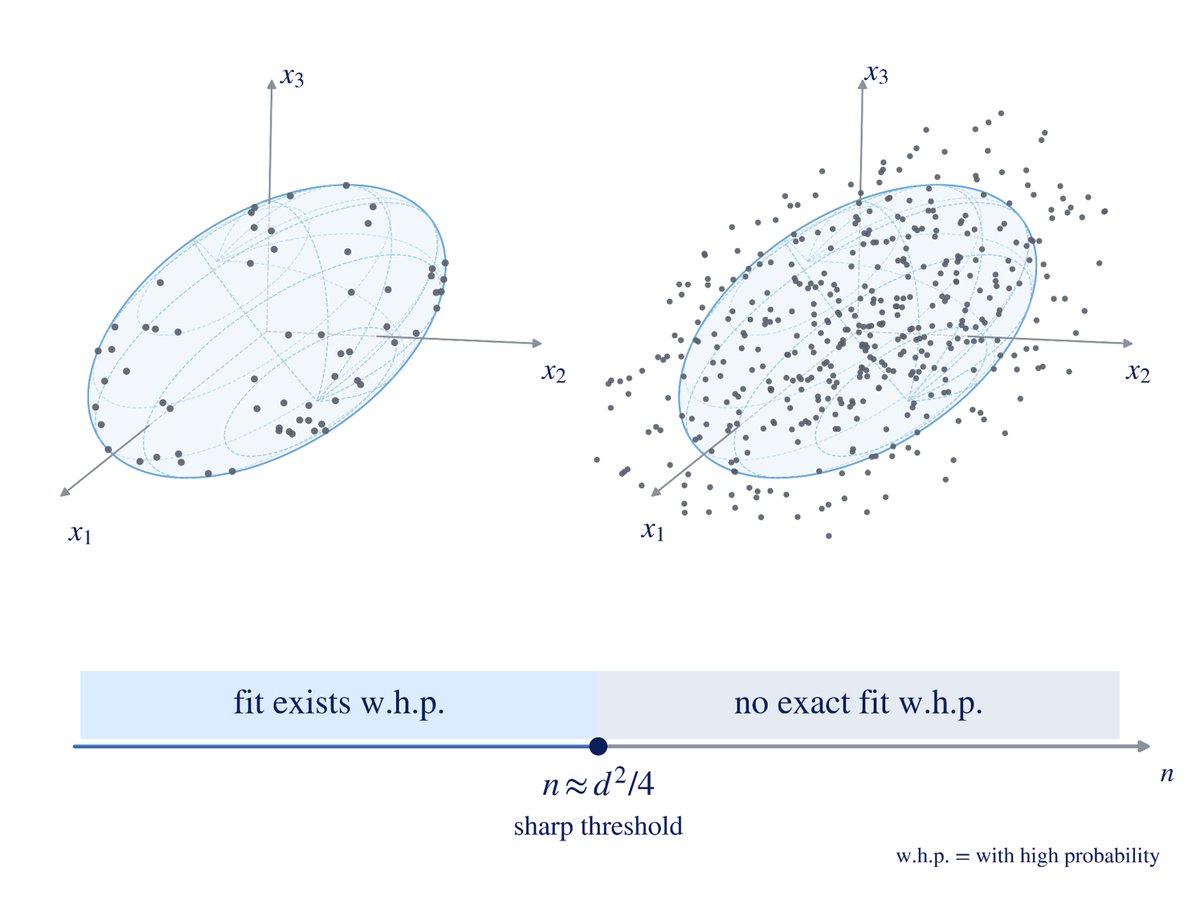
1️⃣ Probability: Mathematicians worked with Muse Spark to answer a question about fitting random points onto the surface of a stretched sphere. For the setting studied, they proved a sharp cutoff between when an exact fit is likely and when it is unlikely. Read the paper:
2️⃣ Differential Equations: Imagine a tug-of-war between one effect squeezing a wave inward and another spreading it out. Can the wave keep concentrating forever? With help from Muse Spark, researchers proved that, under the conditions studied, a wave in a laser-inspired model must "blow up" in finite time. Read the paper:

3️⃣ Group Theory: Researchers disproved a proposed rule about mathematical structures that describe symmetry by finding one counterexample. Muse Spark generated the search code that found it, and the team verified the result and completed the proof. Read the paper:
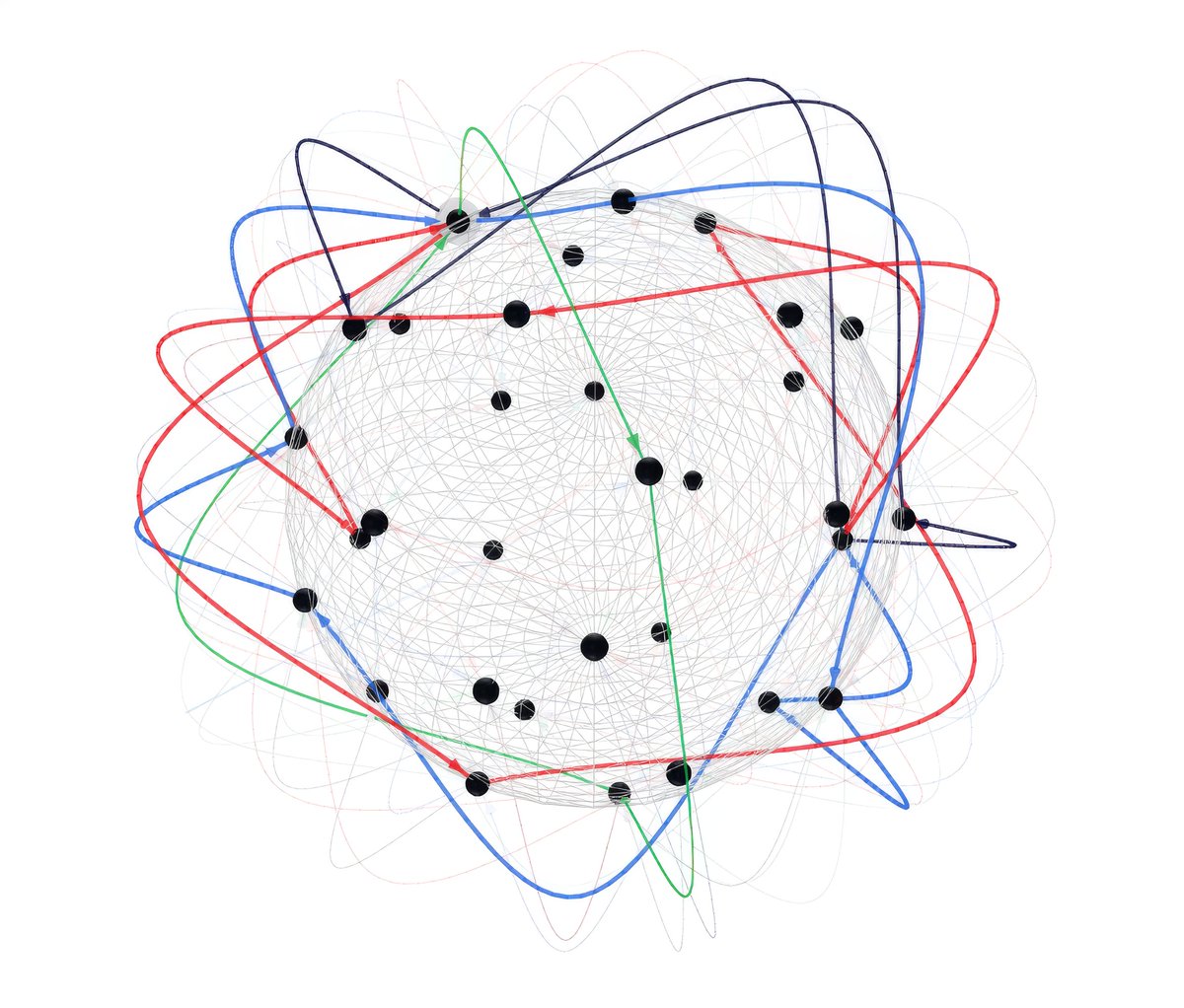
It documents frontier models contributing to open research problems through a plain chat interface with no scaffold, along with a human-review protocol that marks AI-drafted passages.
Checking sign-in…
Loading comments…