Hardware-Rooted AI Security That Won’t Slow You Down
- Source
- developer.nvidia.com
- Author
- Elizabeth Goodman
- Date

Context
NVIDIA's confidential-computing design protects sensitive model data during inference and checks the before releasing secrets to it. Remote attestation compares signed hardware and system measurements with an expected reference. Model decryption keys can then be supplied to the verified environment. That protects data and code in use; it does not show that the itself is safe. The article explains this sequence.
The performance cost was small in the reported test but not zero. On HGX B300 hardware running Qwen 3.5 397B-A17B at FP8 precision with SGLang, NVIDIA's table reports reductions of 1% to 7.5% with confidential computing on versus off. Those results support a bounded claim for the tested configuration only. The benchmark table and setup supply the conditions.
- Execution environment — The software and resources within which a program runs, including its runtime, files, permissions and network access.
- Application — Software arranged so that a person can use it; in this course, the software around a model that accepts your request, prepares the context and shows the reply.
- throughput — How much model output a provider can generate over time, commonly measured in output tokens per second.
- Secret — A value such as a password, key or token that lets its holder act as someone; it must be kept out of code and shared files.
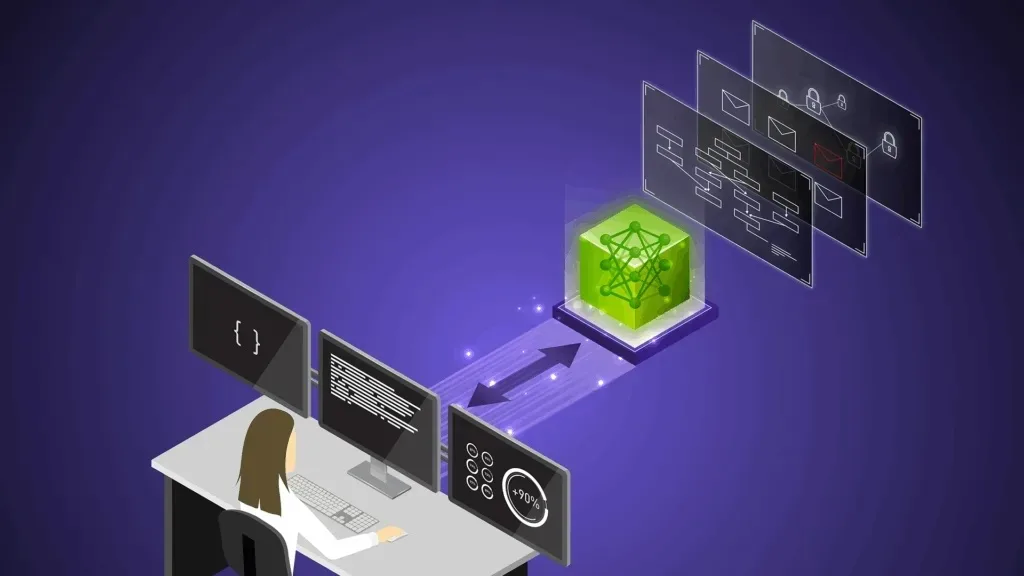 articleDiagnose Distributed AI Workload Failures with NVIDIA Attribution
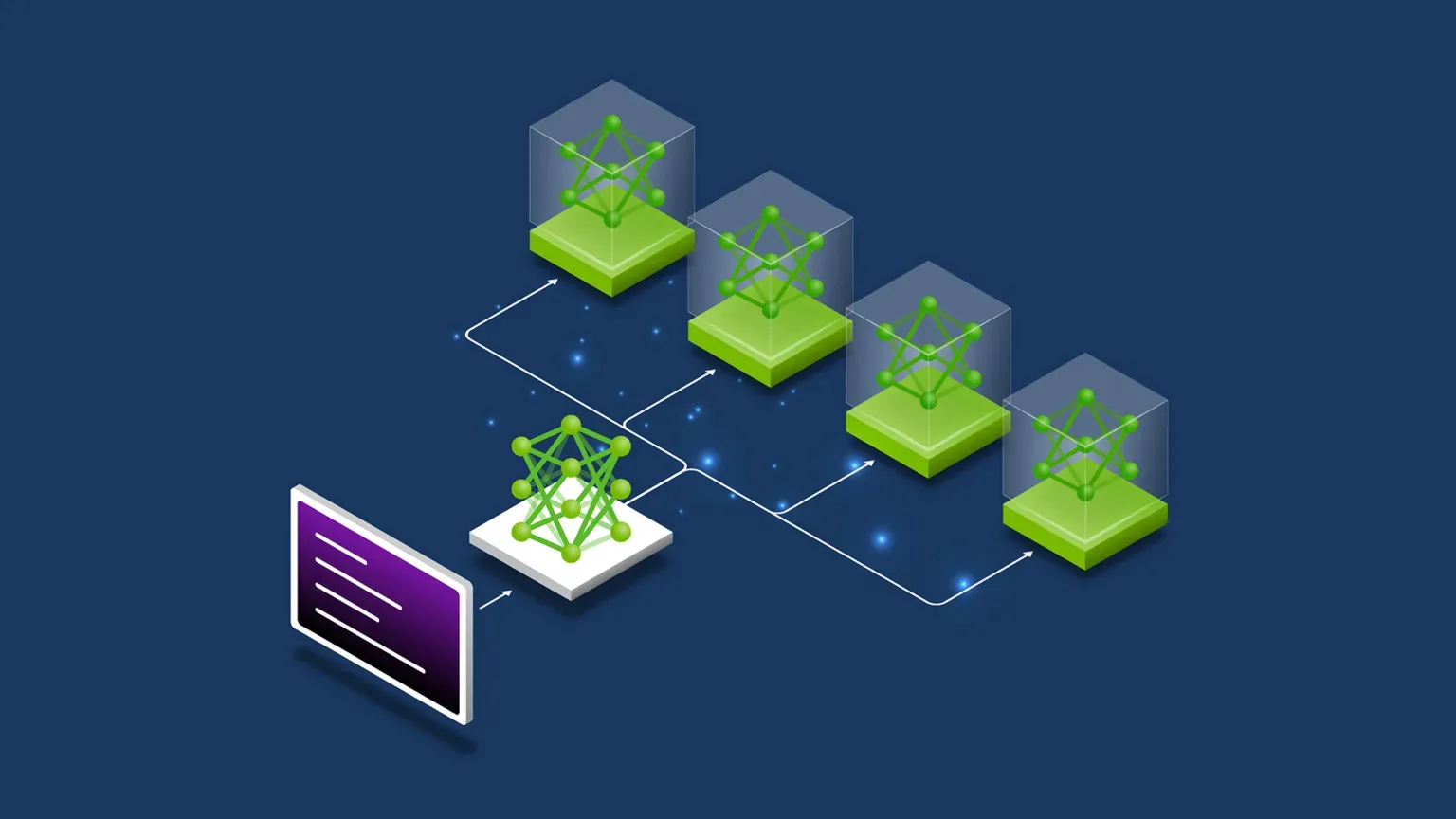 articleKeep Distributed Training Running with Automated Workload Recovery
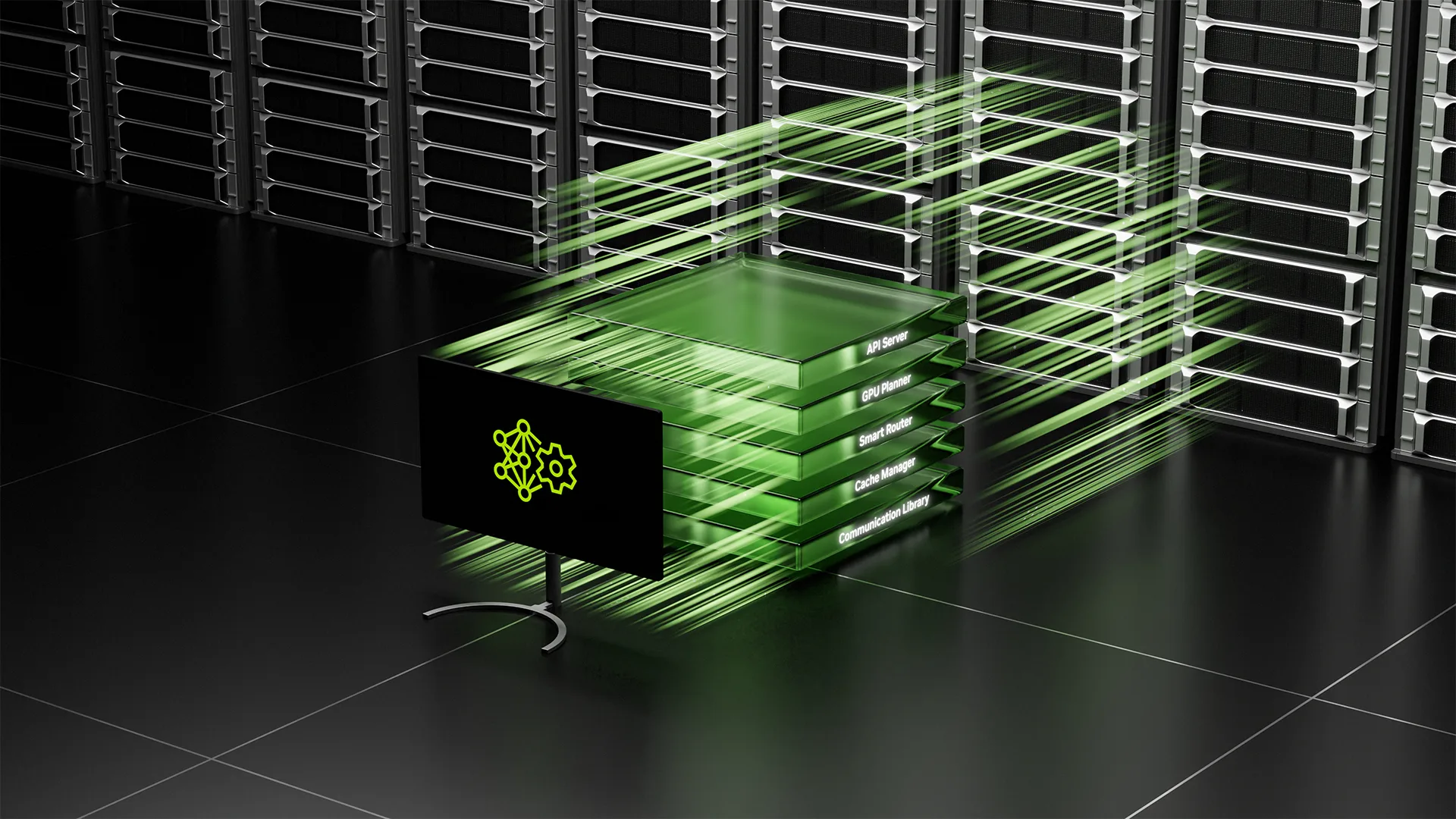 articleMemory-Enforced GPU Sharing in Kubernetes with NVIDIA CUDA 13.4
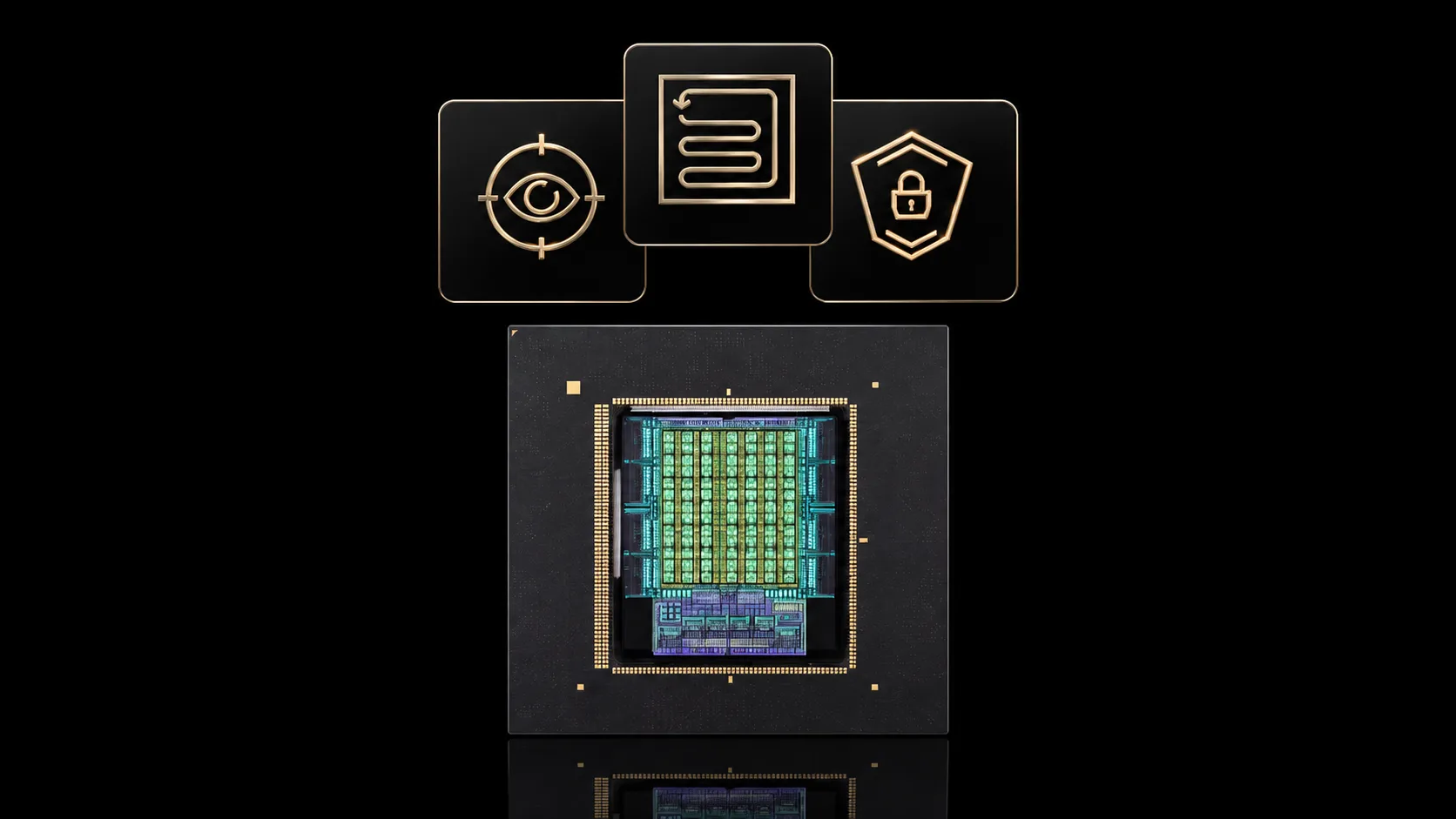 articleHow NVIDIA OpenShell Reference Architecture Secures and Governs AI Agent Workloads at Scale

Checking sign-in…
Loading comments…