From PyTorch to the NPU: LLM-Agent-Driven Model Conversion Across Heterogeneous Inference Runtimes
Source
Jianhao Su, Zhanwei Wu, Chia-Heng Tu, ShengTing Huang
Author
Jianhao Su, Zhanwei Wu, Chia-Heng Tu, ShengTing Huang
Date
Key takeaways · AI-distilled
Deployment is split into standardized, verifiable stages, with runtime-specific knowledge injected through AI agentAn AI system that doesn't just answer once but works toward a goal in a loop — taking actions, reading the results, and deciding what to do next.Full definition → skills, auxiliary scripts and staged verification loops.
A layout-adaptation and inferenceRunning a trained model to get answers — the phase where AI is actually used, as opposed to trained.Full definition →-replacement layer removes manual transpose insertion from the agent's repair burden.
Targets tested with representative vision models: OpenVINO for x86/NPU, RKNN for RK3588, TensorRT for NVIDIA GPUs and ONNX Runtime for a Qualcomm NPU, focused on FP16 deployment feasibility.
The authors frame the work as engineering experience and toolchain mapping, explicitly not large-scale benchmarking or a comparison of cross-runtime operator repair strategies.
Terms in this piece · Glossary
LLM — A large language model — the neural network behind tools like Claude and ChatGPT, trained on huge amounts of text to predict what comes next.
AI agent — An AI system that doesn't just answer once but works toward a goal in a loop — taking actions, reading the results, and deciding what to do next.
inference — Running a trained model to get answers — the phase where AI is actually used, as opposed to trained.
Why it matters
Edge AI deployment across multiple runtimes is a real engineering bottleneck; this shows how agent skills can standardize that conversion pipeline.
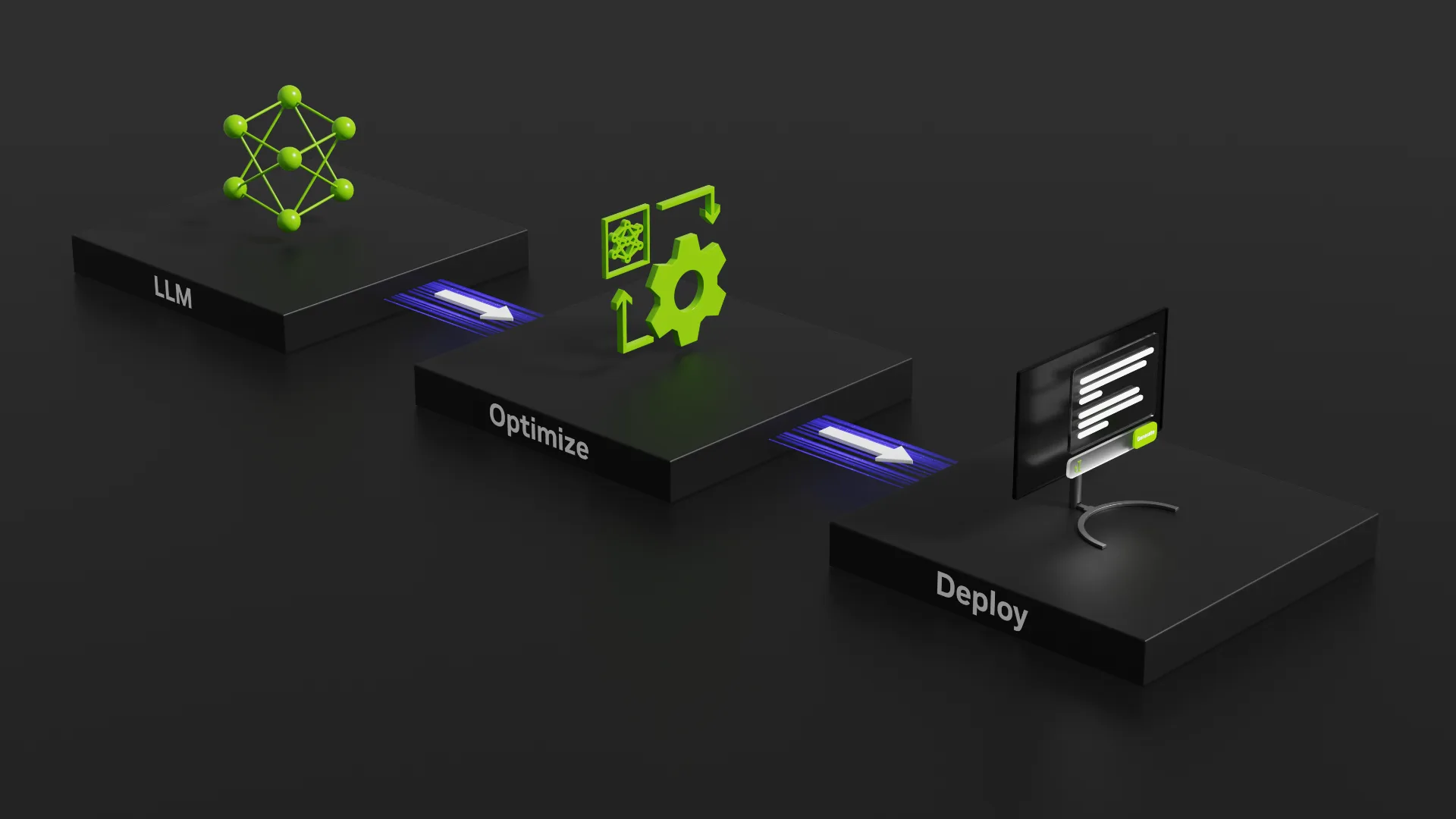 articleTensorRT Edge-LLM Completes the MLPerf Edge Agentic Benchmark 6.4x Faster on Jetson AGX ThorElizabeth Goodman
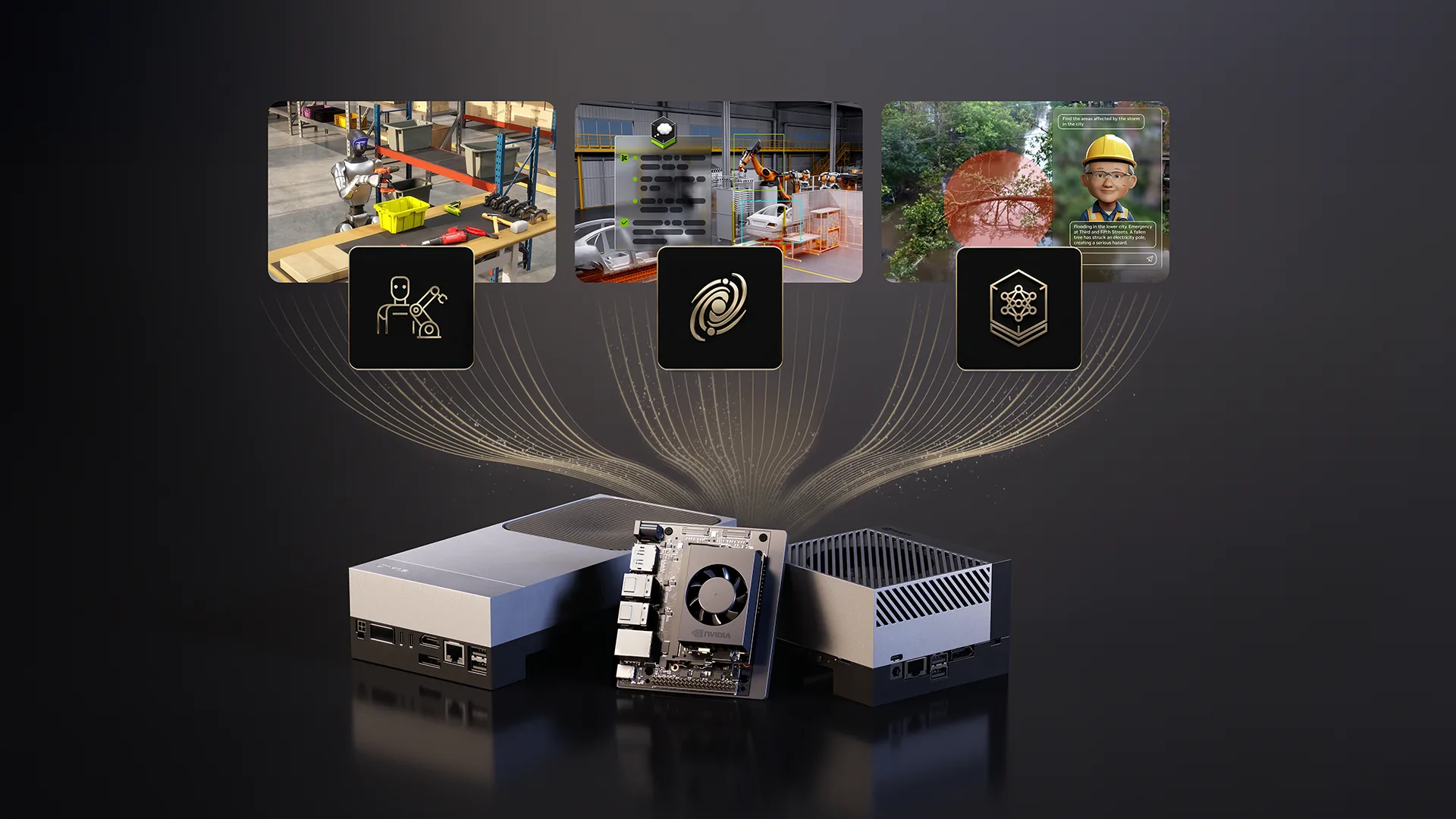 articleFrontier Reasoning Reaches the Edge: How to Deploy and Optimize Models on NVIDIA JetsonElizabeth Goodman
 articleHow to Train a Real-World Silicon Concierge? Internalizing Complex Business Workflow to Only OneModelChang Liu, Chaoyang Ning, Dayi Jiang, Enrui Gu, Fang Ran, Hongyan Xue, Huaqing Li, Hui Cai, Jia Liu, Jiang-Ming Yang, Jianshe Li, Jiawei Luo, Jin Zhou, Leshen Zhu, Lihui Chen, Liying Ma, Lyuxin Xue, Mengjian Ji, Ruijia Xu, Wei Ren, Wei Wu, Xiaoling Qu, Xiaoyun Feng, Xin Zhang, Xixie Zhou, Xuanwei Hu, Yan Chen, Yichao Wang, Yongqi Tong, Yu Liu, Yuhong Zhou, Zemin Sun, Zhenwen Xu, Zhiling Liu, Zifan Wang